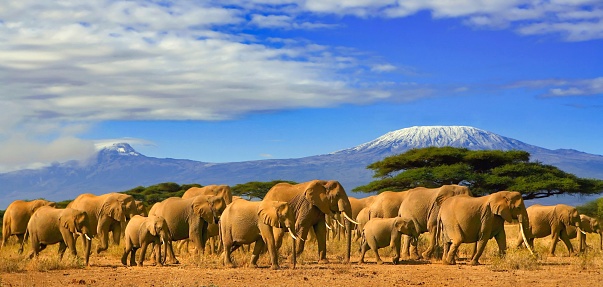
Tourism is crucial to many countries around the world but what are the negative implications of our holidays and are we ensuring sustainability?
When you think of tourism, what comes to mind? Perhaps a luxury holiday in the sun, far from home? Well when Faraja, a Tanzanian safari guide, was asked this same question his response was that “it gives us our daily bread and is a big thing for foreign incomes in our nation, Tanzania”.
The African continent is one of the world’s fastest growing tourist destinations. In January 2020, the United Nations World Tourism Organization (UNWTO) published the World Tourism Barometer report. It’s data indicates an 8.5% increase in African tourism from 2017 to 2018.
The importance of tourism
Tourism is a vital sector in African countries. It creates employment opportunities for millions of communities in Tanzania. Without tourism, many uneducated locals would rely on operations, such as poaching, for income to feed their families. Tourism in Tanzania also generates economic activity within the country, and this money is then used for development within the health and education sectors.
Foreign investment and future trade relations are often introduced to Tanzania through tourism. It is all too often that an entrepreneur visits Tanzania and falls in love with the people, wildlife and scenery there. John Rees-Evans, founder of the tourism company, Team Kilimanjaro, has offered his thoughts on this:
“When I first came to Tanzania, I simply came as a tourist with no immediate intention to ever return. But I observed what great people Tanzanians were to work with and spent the next 4 years calculating and planning how to start a business that would allow me to work with Tanzanians. Since that day, I have been allowed to arrange for more than 10,000 clients to come to the country and spend many millions of dollars supporting the national revenues and employing great guides, porters and their families.”
John Rees-Evans, founder of Team Kilimanjaro
The downfalls of tourism
As tourism is so crucial, the negative side effects of it are easily forgotten. Tanzania is full of poverty, brittle landscapes and endangered wildlife and tribes. It is important that we are mindful of this when visiting their glorious country.
Within most tourism companies, the locals are paid a low wage, whilst managerial positions are given to foreigners. In 2010, the Kilimanjaro Porters Assistance Project (KPAP) produced a monitoring report declaring that the minimum wage for porters on Kilimanjaro is 8,000TZS (£2.61) per day. Their job is to carry around 20kg of gear up and down the mountain. This is a very small wage and the porters heavily rely on the generosity of climbers through tips.
Furthermore, due to land being allocated to investors (often foreign), local people are unable to use resources within this land. Tourism is also diminishing natural resources; policies are needed to protect the environment and ensure the resources are being used sustainably.
In recent years, people have begun to recognise this. The introduction and development of sustainable tourism has emerged.
What is sustainable tourism?
The UNTWO defines sustainable tourism as:
“Tourism that takes full account of its current and future economic, social and environmental impacts, addressing the needs of visitors, industry, environment and host communities”.
There are many ways to tackle issues within tourism. A lot of this can be down to individuals and the steps and research they carry out, or the travel agent they choose to use, when booking a holiday. Once on holiday, a tourist should think about the environment that they are in and how to show it respect, as well as the communities, wildlife and people that live within it.
Social Enterprises
Many feel that standard industrial tourism companies are not doing enough to ensure that sustainable tourism is enforced. Entrepreneurs have turned to creating Social Enterprises, which are businesses that strive to make the world a better place. They focus on people and planet before profit; donate or reinvest profits towards social change; and are driven by social values.
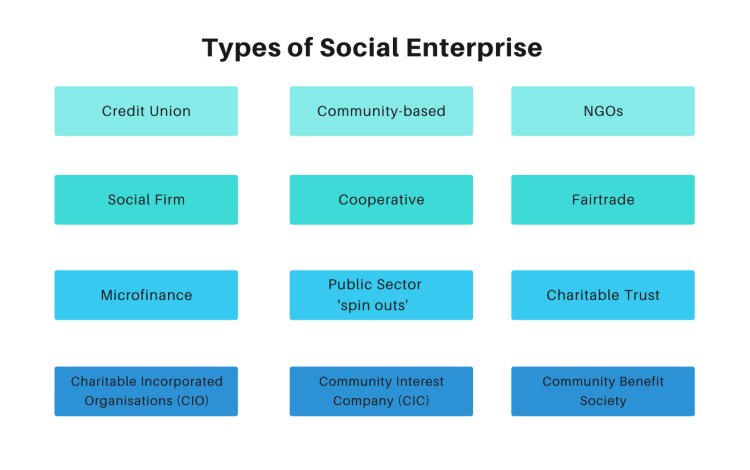
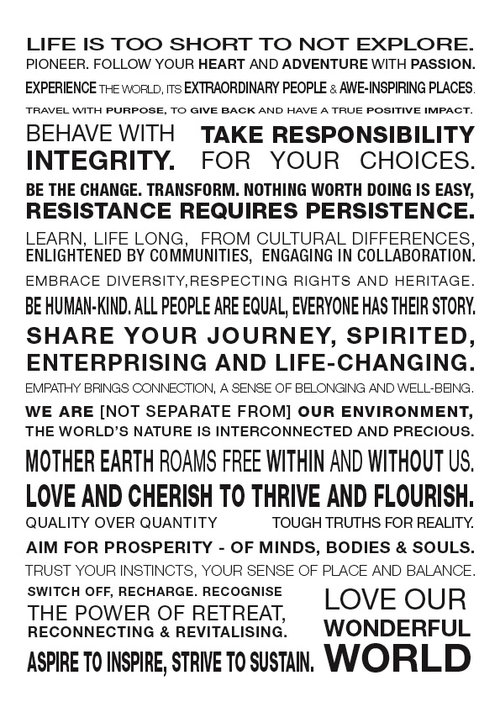
There are many Social Enterprises that focus on sustainable tourism. Earth Changers is a community-based Social Enterprise that aims to connect people globally, whilst focusing on “community and conservation for sustainable development through tourism”. The company “highlights the most sustainable tourism around the world, engages with the people behind places to reveal their true passions and purpose, and educate on the issues.”
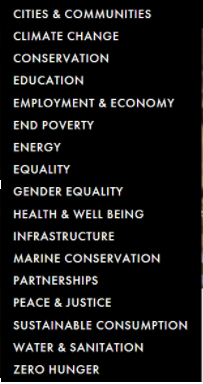
The Travel Conscious model
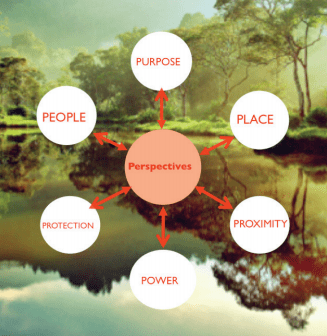
The Tourism Innovation Partnership for Social Entrepreneurship (TIPSE) has produced a guide called ‘The Travel Conscious Approach’. It explains the Travel Conscious model, which offers “a fresh Perspective on tourism’s role and mode of operation”.
This model proposes six perspectives that must be taken into account when addressing issues within tourism:
Credit: TIPSE, The Conscious Travel Approach
- Purpose – rather than concentrating on the company’s profit, focus on “individuals, businesses and communities and grow sustainable net positive benefits that enrich the host community and their guests.”
- Place – often tourism destinations are treated as a product, rather than a place. It is important to highlight “the uniqueness of the place, to fully experience wonder and awe and, in particular, to heal and enliven our connection with Nature”.
- People – tourism is about connecting people across the world. When companies focus on “product, productivity, price and turnover”, these special relationships and encounters are dehumanised and devalued.
- Protection – concentrate on the need to protect, heal and regenerate “the nature and culture of a place”, whilst endeavouring to “generate zero ground waste and carbon” and to “use earth’s resources sparingly”.
- Power – encourage “the ability to influence, inspire and engage others” through “energy, drive and infectious enthusiasm”.
- Proximity – essentially another word for ‘local’. Tourism needs “to benefit the local community in ways that the community wishes and needs”.
Although much is being done to overcome the negative effects of tourism, there are still some challenges out of our control, for example, government cooperation within countries affected by tourism. Thankfully, the Tanzanian government seems to be aware of the importance of sustainable tourism. One of Team Kilimanjaro’s safari guides has shared:
“In Tanzania, our government has set aside around one-third of the country’s land as a protected area to serve and preserve tourism assets, which is overseen by Tanzania National Parks Authority and encourages people to respect and honour the earth and its inhabitants”.
Team Kilimanjaro Safari Guide
Also out of our control, is each individual’s attitude and respect towards a country, its wildlife and its inhabitants. So please, when you travel, be mindful of how you act and think about the effect you can have on a country that depends on your tourism.
This article was written for a Social Enterprise module in November 2020. We were tasked with writing a 1,000 word online feature piece exploring a social issue from a social enterprise perspective.
 GRACEFULL REFLECTIONS