I know I’ve only just started, but I think I may have already found my gardening nemesis…
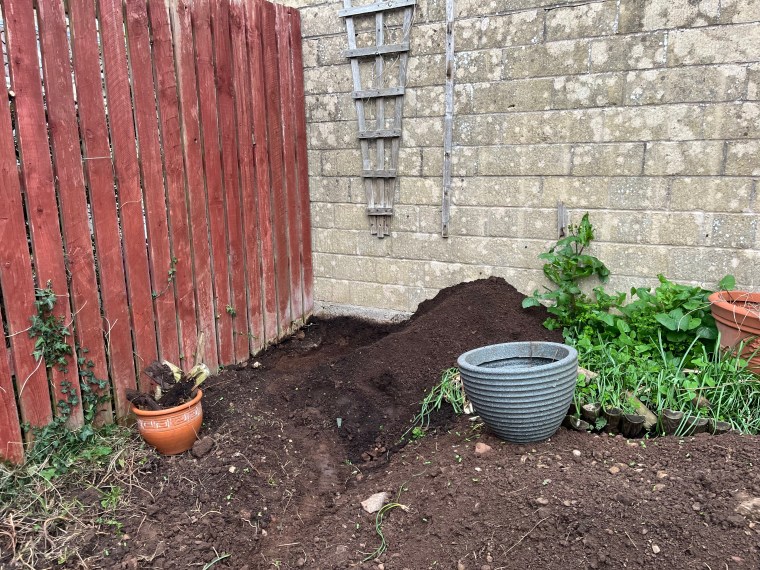
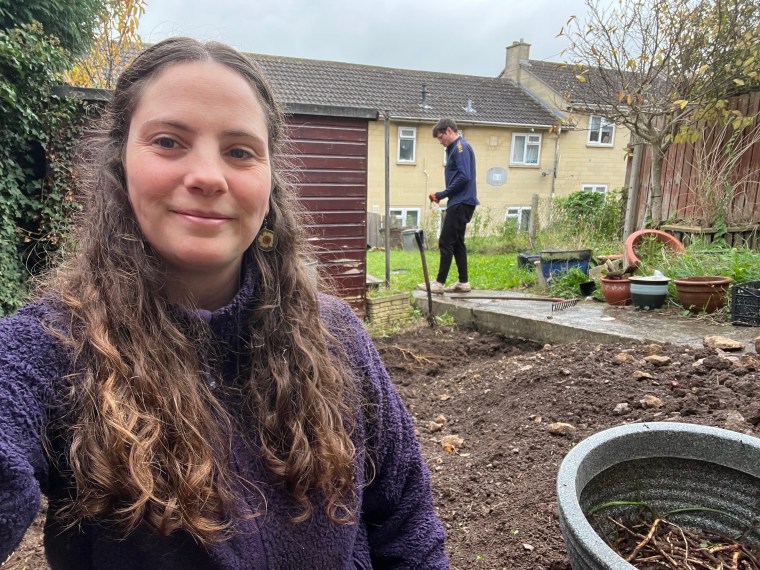
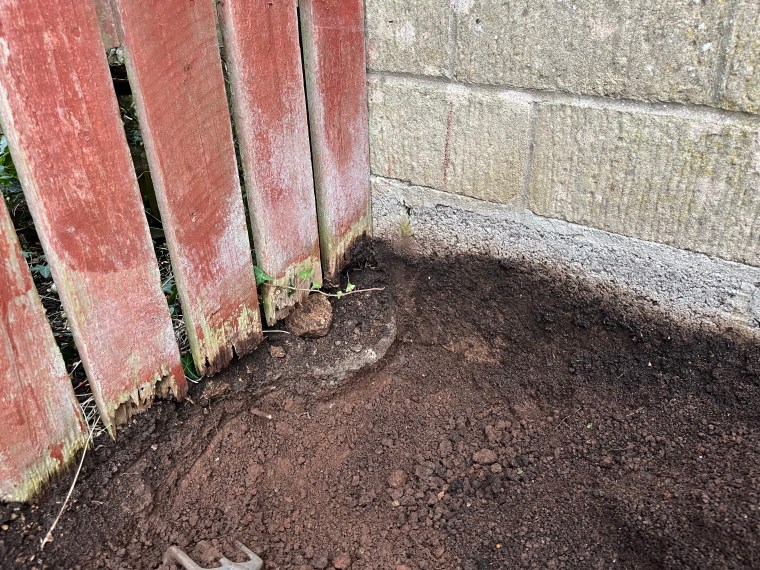
Each week when our food waste goes out, I’m horrendously reminded of how much of it could have gone towards our future soil. So, while Shem (that’s my husband!) continues to tackle the main de-weeding, I decided to focus on a smaller project: getting the top corner of the garden ready for a compost bin.
However, this week I discovered that the corner is absolutely filled with bindweed.
What is bindweed?
Bindweed is an invasive plant that grows quickly and can twist around other plants, choking and stunting their growth, or even killing them. Not something I would like in my garden!
There are two types: hedge bindweed and field bindweed. According to The Wildlife Trusts, the way to distinguish between the two is by the flowers. Hedge bindweed has large trumpet-shaped flowers, while field bindweed’s flowers are much smaller.
When our garden was growing wild over the summer, we had both large and small flowers growing. So it seems we’re infested with both field and hedge bindweed!
Why the purge?
Bindweed is difficult to get rid of. It’s an irritatingly intelligent and stubborn plant. If you leave any trace of the plant or its root, it will sprout back into a new plant.
Quite an amazing part of creation, but rather frustrating if you’re trying to rid your garden of it!
Dealing with bindweed (without chemicals)
According to Love the Garden, the most straightforward and effective way to remove bindweed is to use weedkiller.
But we’re keen to keep our garden chemical-free, so it looks like it’s going to take more time, patience, and digging.
Thankfully, Gardeners’ World has given some helpful ways to tackle bindweed organically:
- In beds and borders, dig out the roots completely. Winter to early spring is the best time, before new growth begins.
- Remove every last bit of the root (a fork helps avoid snapping them).
- If it’s tangled around established plants, carefully loosen the soil on either side and pull out the roots whole.
- In summer, when digging isn’t possible, cut or pull off new shoots regularly to weaken the plant.
- Homemade weed killers and weed burners can help reduce top growth but won’t kill the roots.
My experience with bindweed
Although it takes a lot more effort getting out at this time of year, it looks like October is a good time to tackle bindweed by digging up the ground.
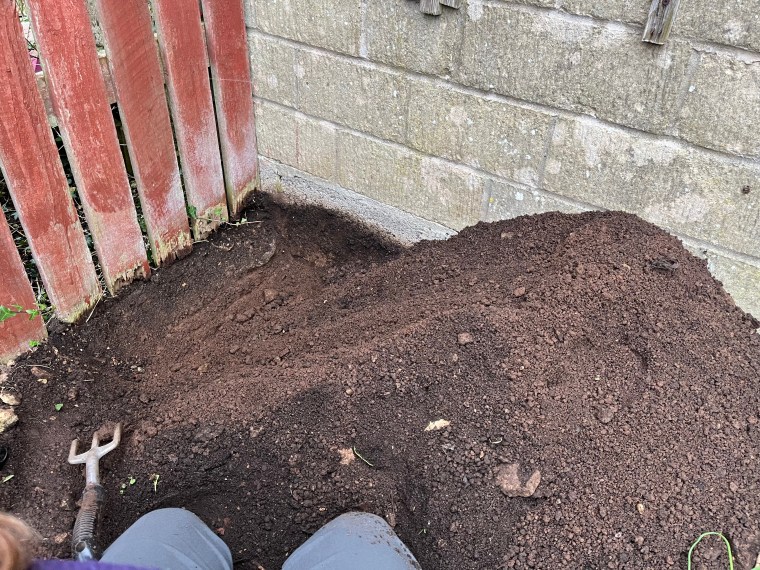
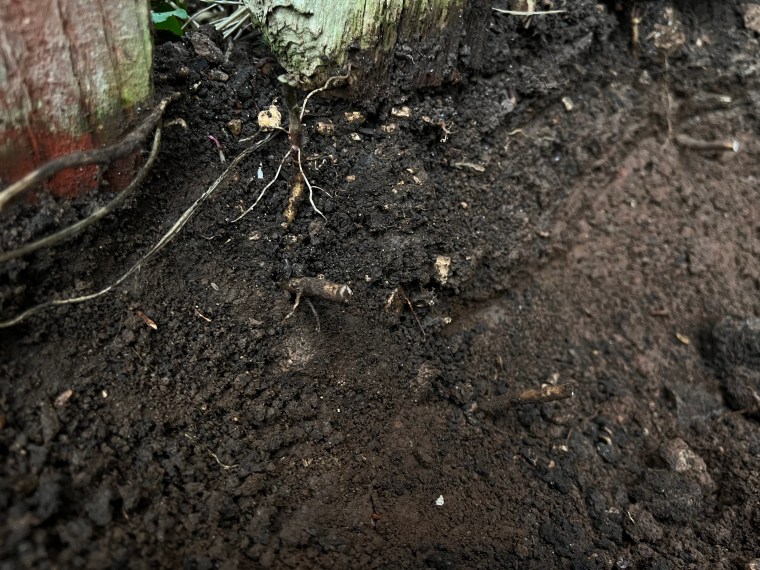
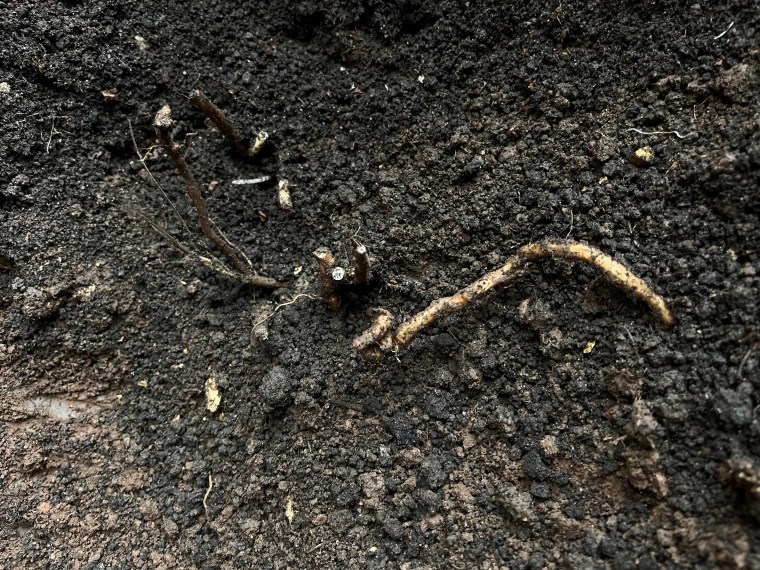
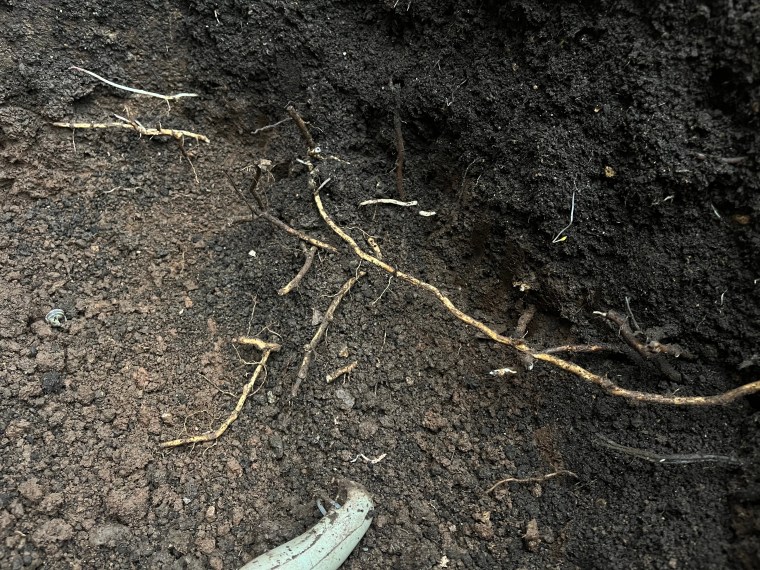
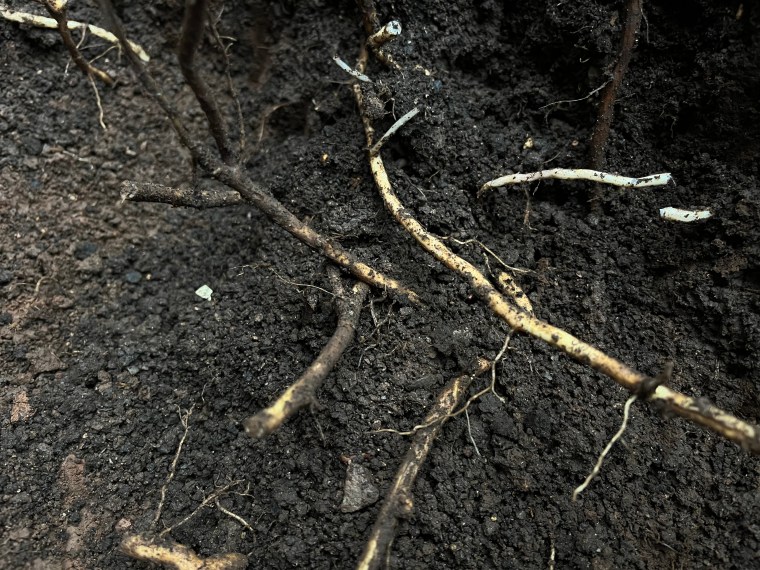
So that’s what we’ve been doing – digging, digging, digging. I’ve gone about an arm’s length deep, and I’m still finding more roots! Especially in the corner where I’m planning to place the compost bin.
On the bright side, I think I’ve located where a lot of it stems from. The downside? It feels endless. And because it’s where our compost bin will be, I really want to make sure the soil is clean before we start. It would be awful if our compost becomes infested with bindweed.
It does feel like I’m making some progress, at least there are a lot of bindweed weeds in my little bucket…
But a lot of the roots seem be coming from under our fence to the neighbour’s garden. I’m not sure how to stop them creeping back without using chemicals.
Help, please?
Have you had any experience with bindweed? Do you have any advice for getting rid of it naturally – or keeping it from coming back? Please do let me know in the comments or messages! I’d love to hear your experiences.


 GRACEFULL REFLECTIONS
I didnt’ realize what bindweed was and thought I was allowing morning glories to grow. the only solution I’ve found just keep ripping the vines out and eventually the roots have nothing to live on and die. But it does take a long time.
LikeLike
Interesting, I haven’t come across morning glories before, do they look similar to bindweed? When bindweed was growing in the garden over summer, I had thought it was rather pretty – but didn’t realise how invasive it was, it really takes over!
Thank you for your helpful advice. I think the perfectionist side of me really wants to get at each root, but I know realistically it will be an ongoing battle against weeds and it’s just one of the joys of gardening!
LikeLike
they look very much like it, though most morning glories are in different colors: https://theknotweedspecialists.co.uk/blog/bindweed-vs-morning-glory/
LikeLiked by 1 person
Oh wow! They do look very similar. The colours on the morning glories are gorgeous – shame they’re so destruvtive for the garden!
LikeLike
morning glories aren’t too bad. I have enough problem just getting them to grow.
LikeLike
I think the winter is a great time to start tackling it. We’re trying to tackle some stubborn snowberry bushes and have also been told that they’ll likely come back at least three times before they’re gone. It’s just a matter of keeping at it, I don’t really think there’s a shortcut! But once you’re on top of it, it’s much less work to keep small plants away.
LikeLike
Yes, I’ve seen somewhere they grow slower in the winter so they’re easier to keep on top of – it’s just harder to get out when it’s raining so heavily! I’m happy with the progress we’re making though.
I hope all is going well with your snowberry bushes!
LikeLike