Diary of a clueless gardener: A muddy cure for a bad day


Well, it’s been a hot minute since I’ve posted on here. In all honesty, it’s been a hot minute since I’ve been out in the garden too.

But I’m delighted to share that I did manage to get out and enjoy a sunny afternoon in the garden on Wednesday.

We’re still on the de-weeding mission – slowly but surely clearing the first section of what will hopefully become the veg patch. It feels like a very slow process, and I have to remind myself not to be discouraged. Realistically, we’ve only been able to get outside in short bursts: during Shem’s lunch break or when Evalina’s napping in the afternoon.

I’m very much looking forward to longer days and lighter evenings, when we can get stuck in together without competing with daylight.

And, by the way – if you’re wondering who Evalina is – she’s our little girl, and she just turned six months old!

A bad morning, a brighter afternoon 

Wednesday started as one of those days. The kind where everything seems to take twice as long and go half as well. Nothing dramatic, but everything was just… off. That slow morning meant we arrived very late to a baby class, only to discover the elevators were out of order, which meant not actually going in at all. Then to top it all off, I somehow lost the parking ticket I needed to leave the car park. Classic.

It was one of those frustrating mornings where you just want to hit reset and start again.

However, it was a sunny day and when Evalina went down for her nap, I knew exactly what I needed… an afternoon in the mud!

The joy of gardening

There’s something about being outside, breathing fresh air, digging up weeds, and letting your worries drift away. Whilst gardening, I was thinking about writing this post and wondered if there was some sort of philosophical reflection or some cheesy thing like that brewing. 

But honestly? When I stopped to ask myself what I was actually thinking about… it was nothing.

And I mean that in the loveliest way.

I realised how much joy I found in not thinking. Not calculating when Evalina last ate, not stressing about the dirty dishes still in the sink, or replaying the morning’s frustrations. Instead I just found joy in digging. Using my hands, keeping an eye out for roots and feeling strangely victorious each time I pulled one up.

Sometimes joy doesn’t come from thinking deeply – it comes from giving your brain a moment to switch off.

And on Wednesday afternoon, that simple, muddy, quiet joy was exactly what I needed.

I almost forgot!!

When I first went out into the garden, the bad morning had tried to follow me. I excitedly went to check on my new compost bin only to find a pile of vegetable scraps and leaves… and the compost bin itself a few metres away!

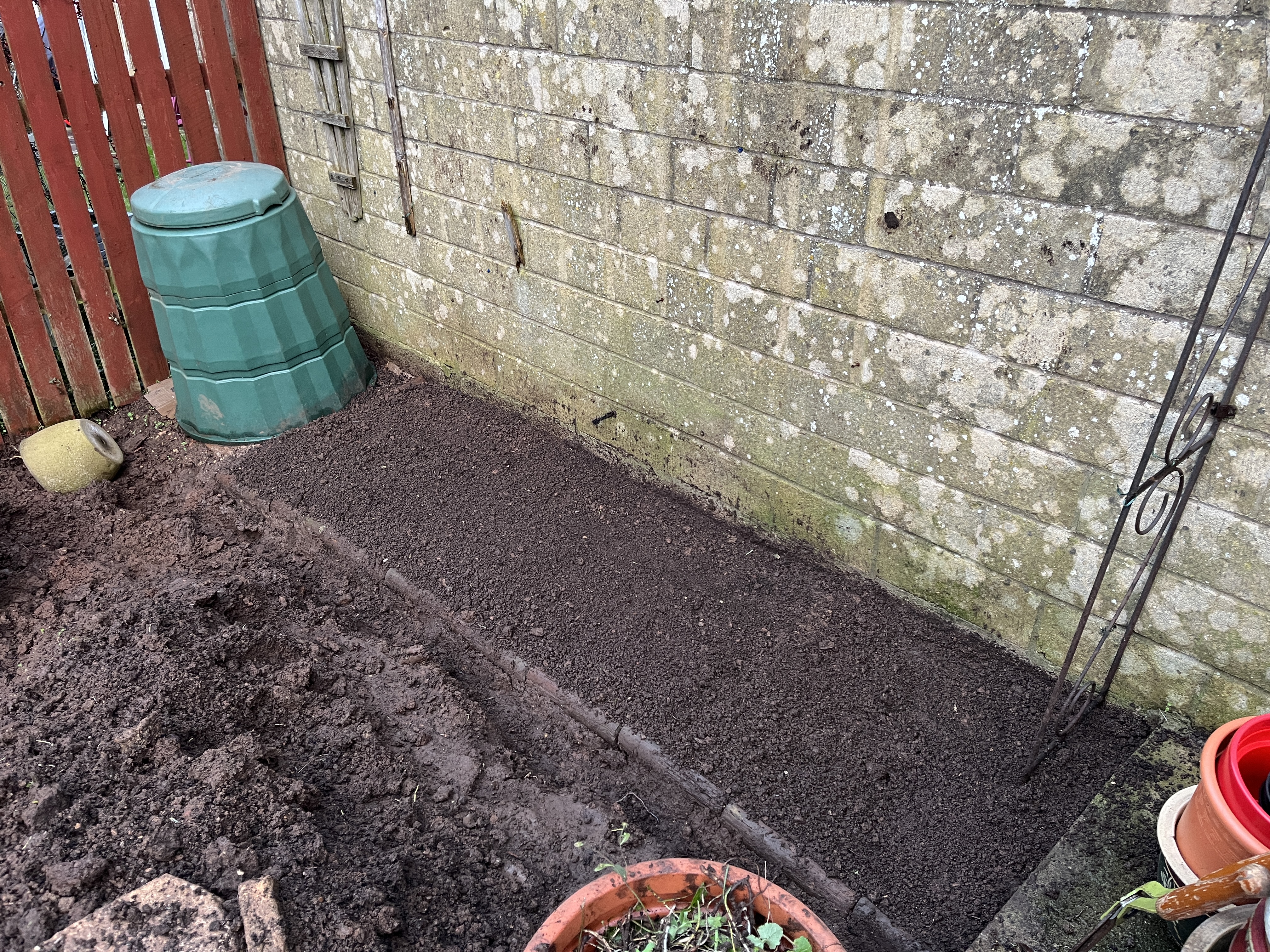
So if this has happened to you before, or if you have any tips on compost bins not flying away, please let me know. (See my quick fix in the pictures below)

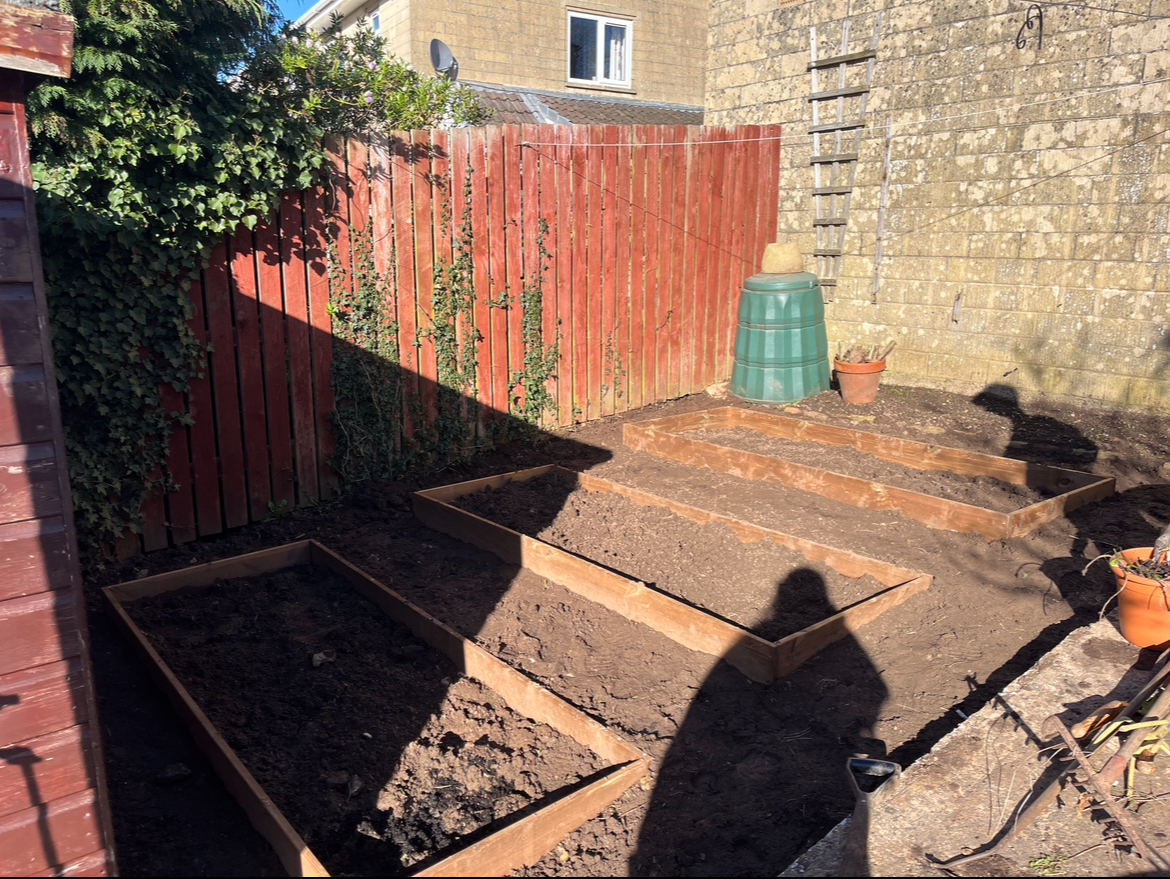
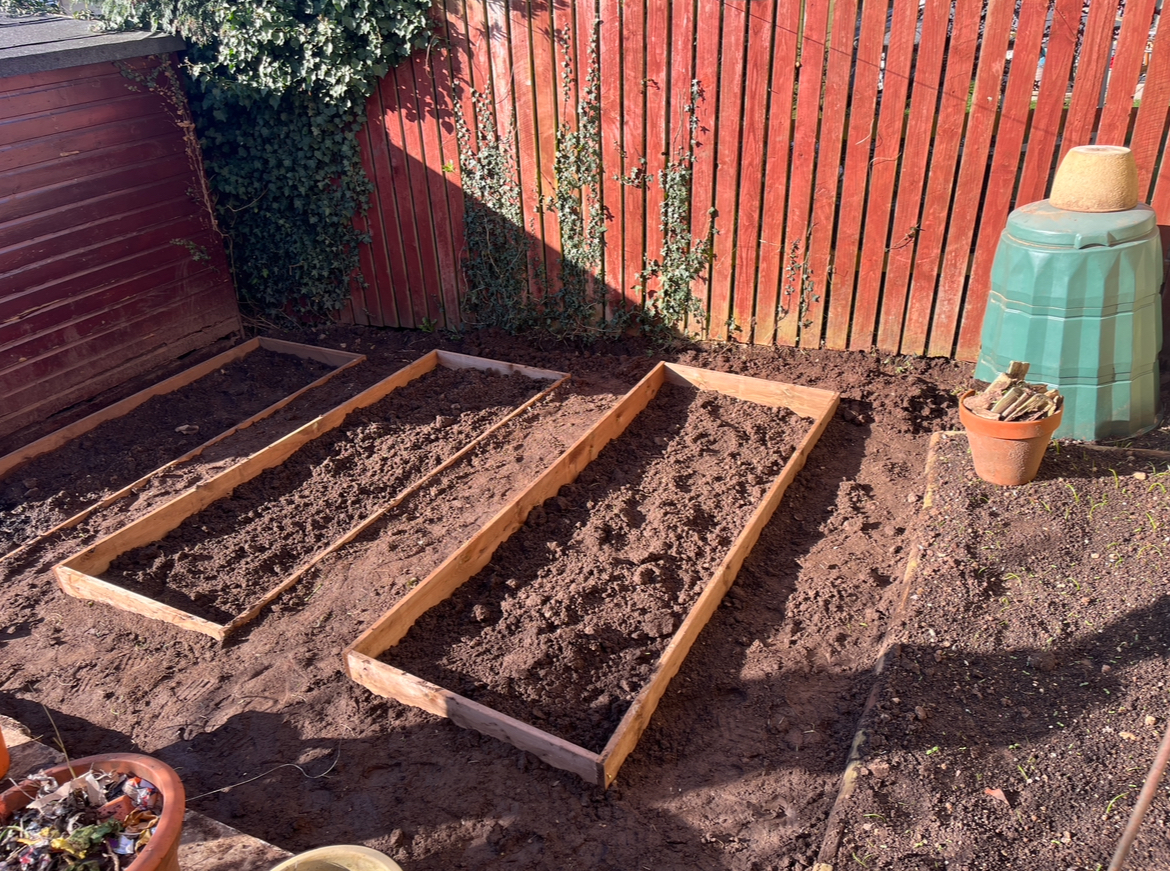
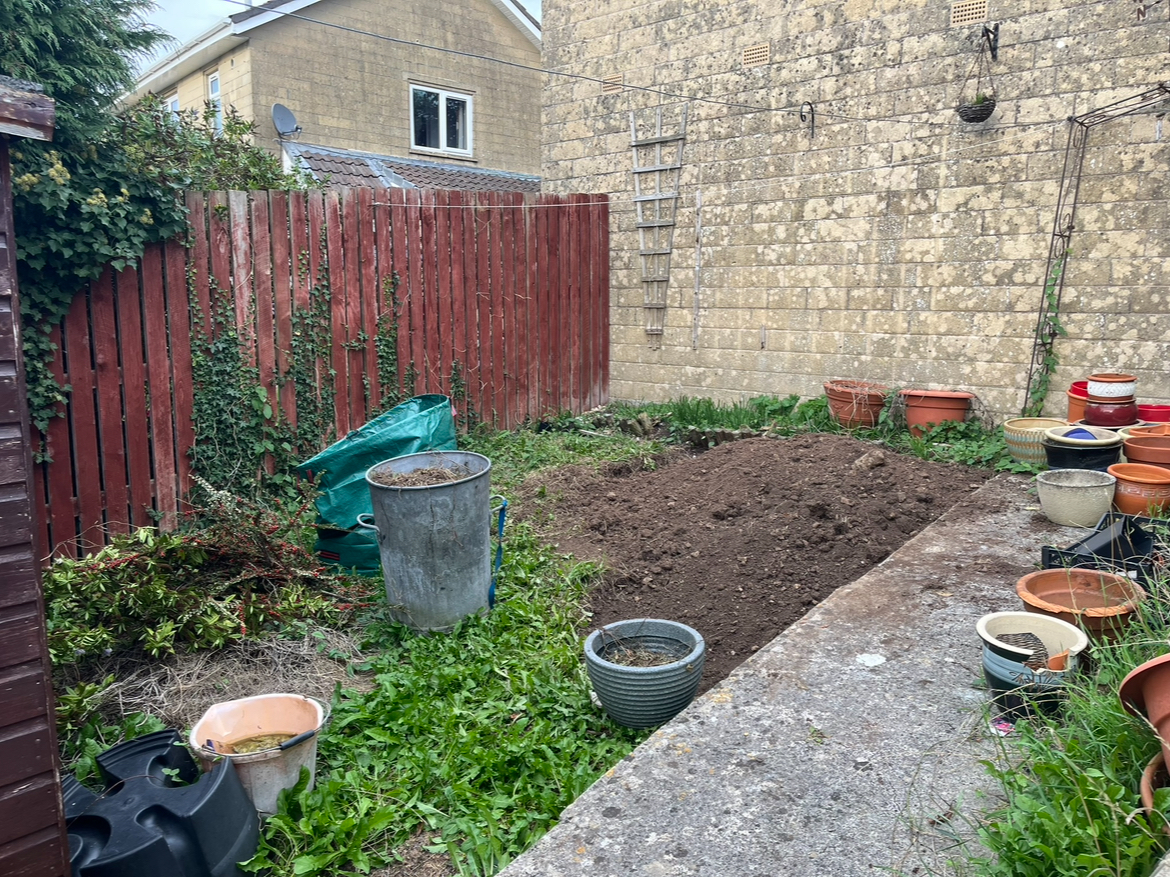
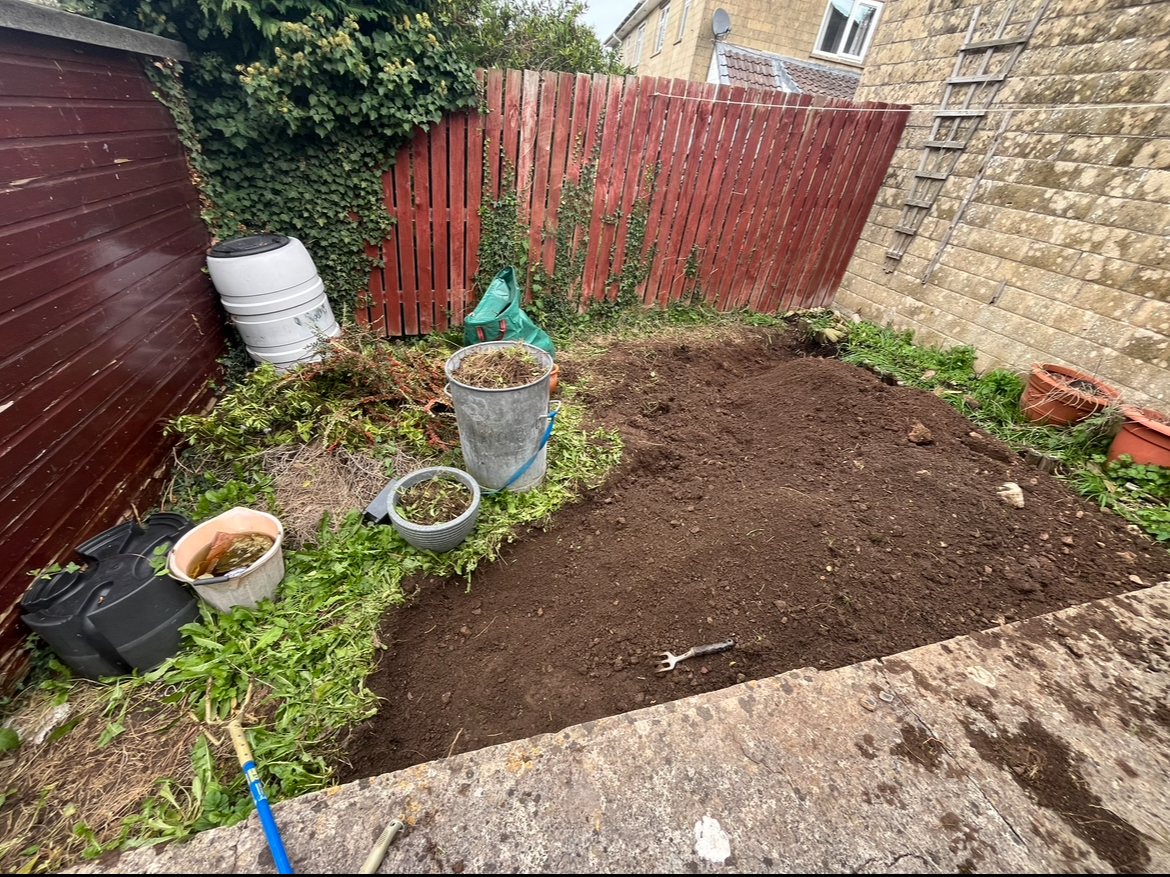
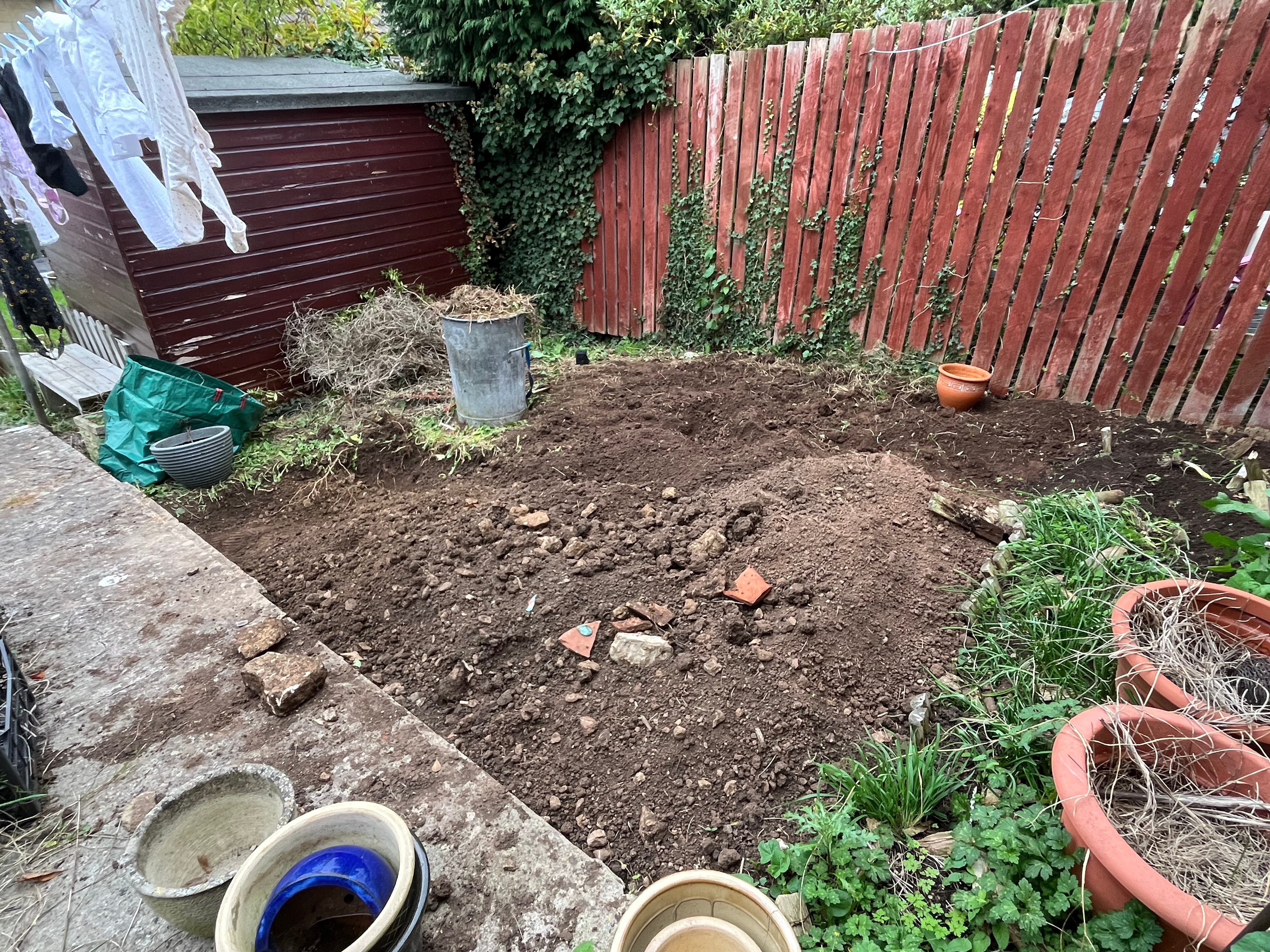
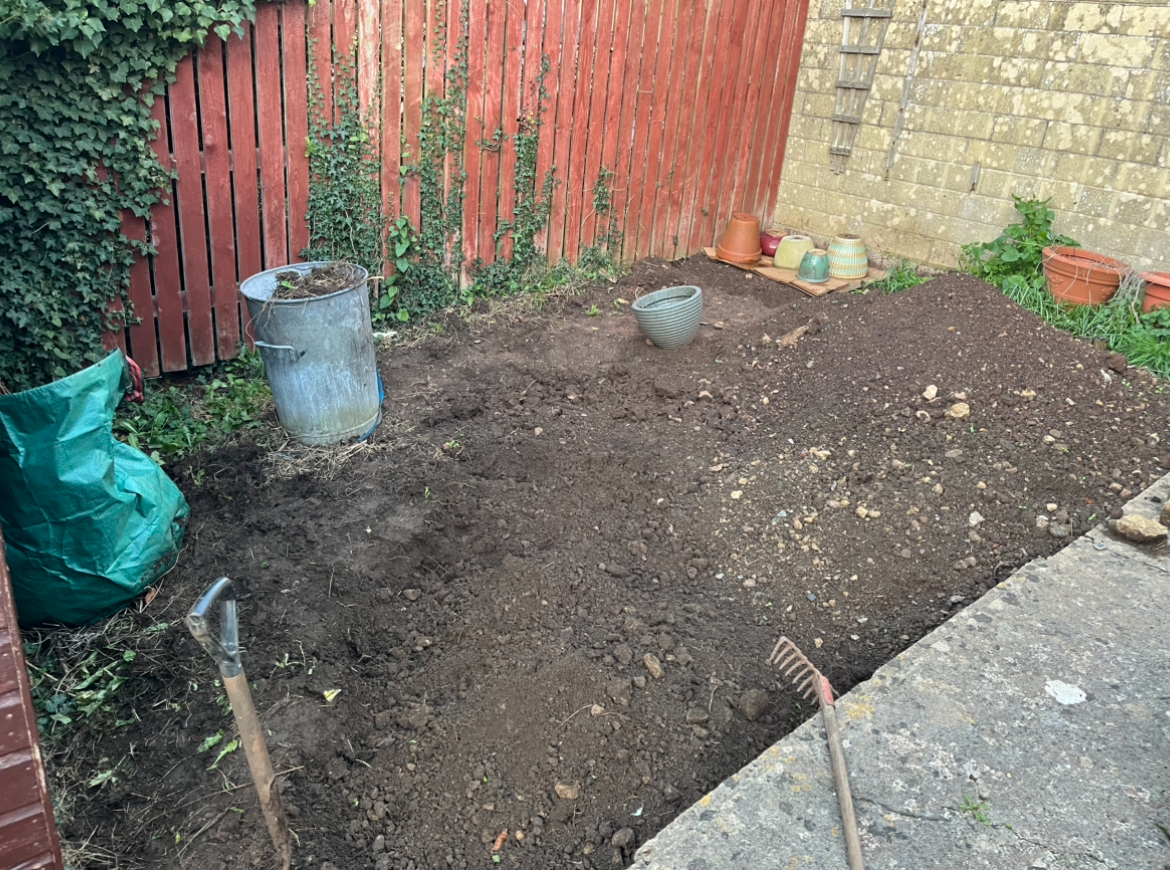
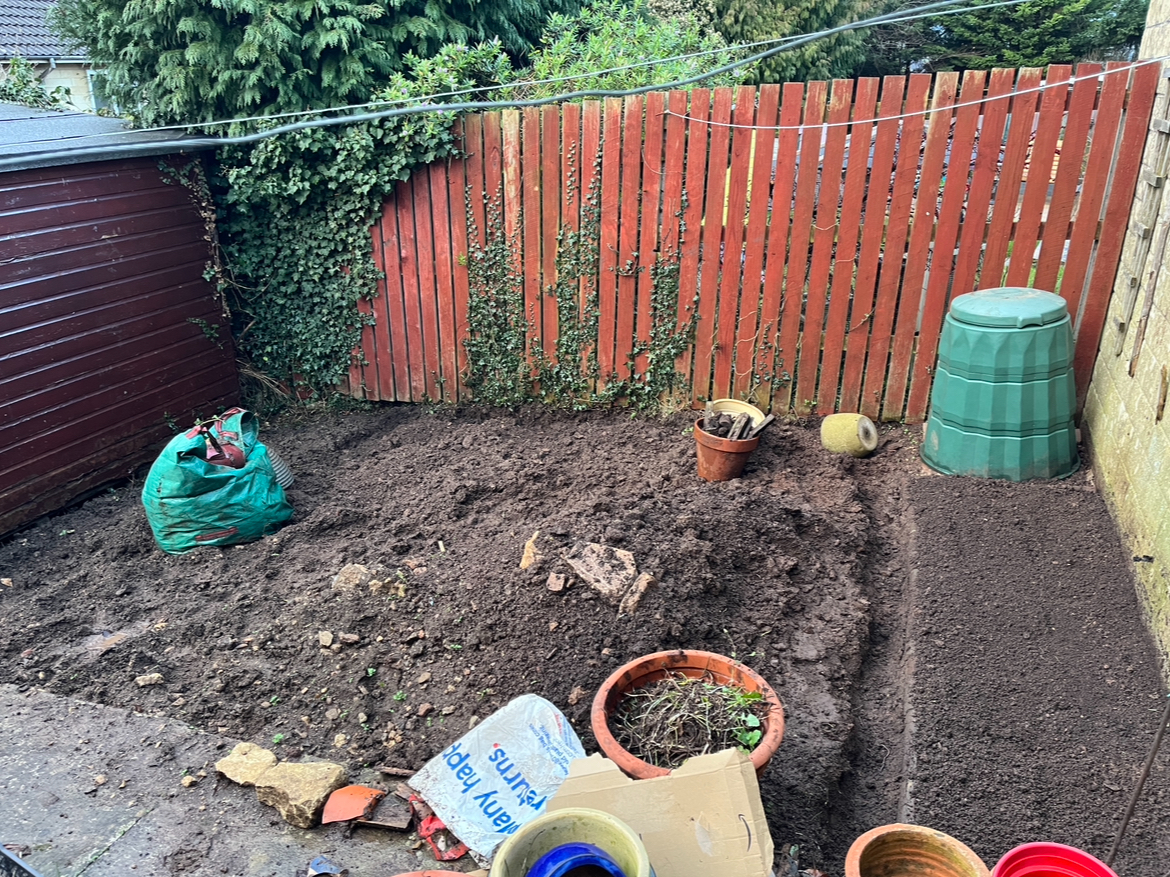
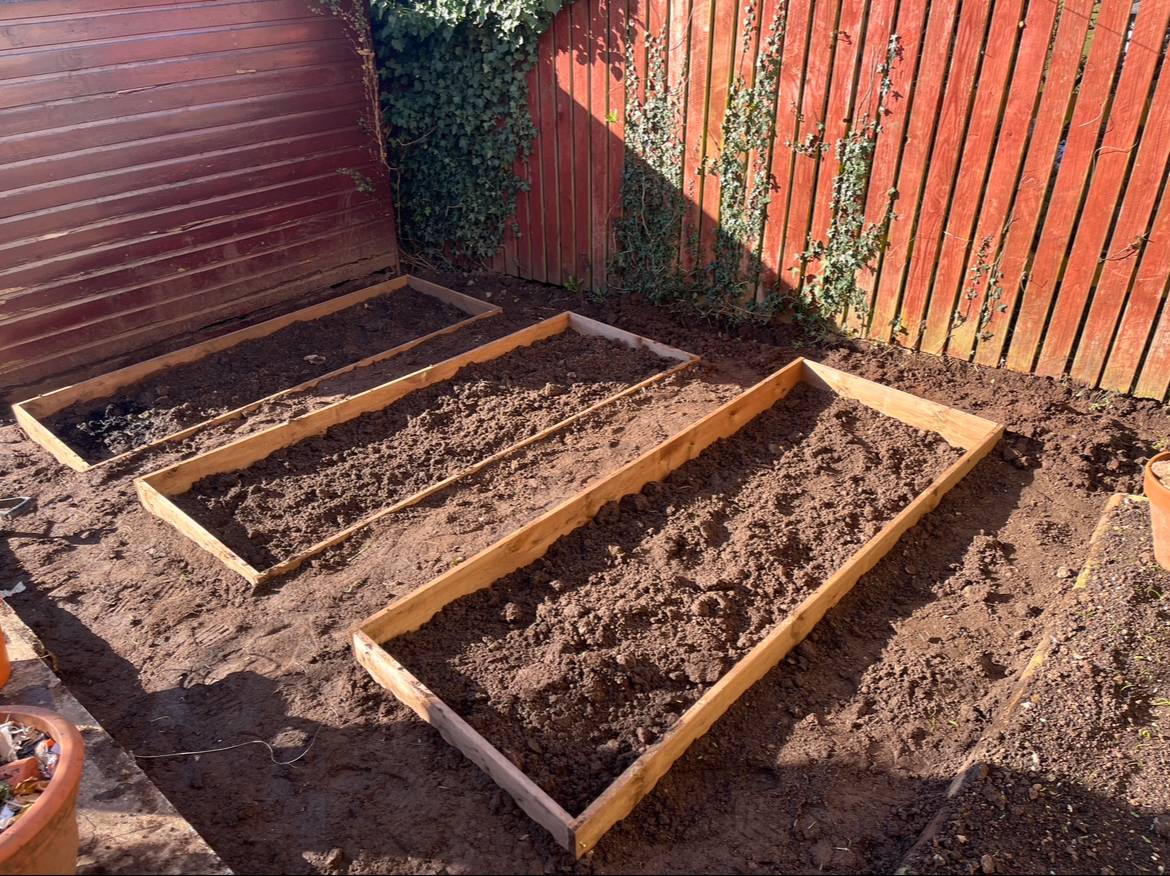
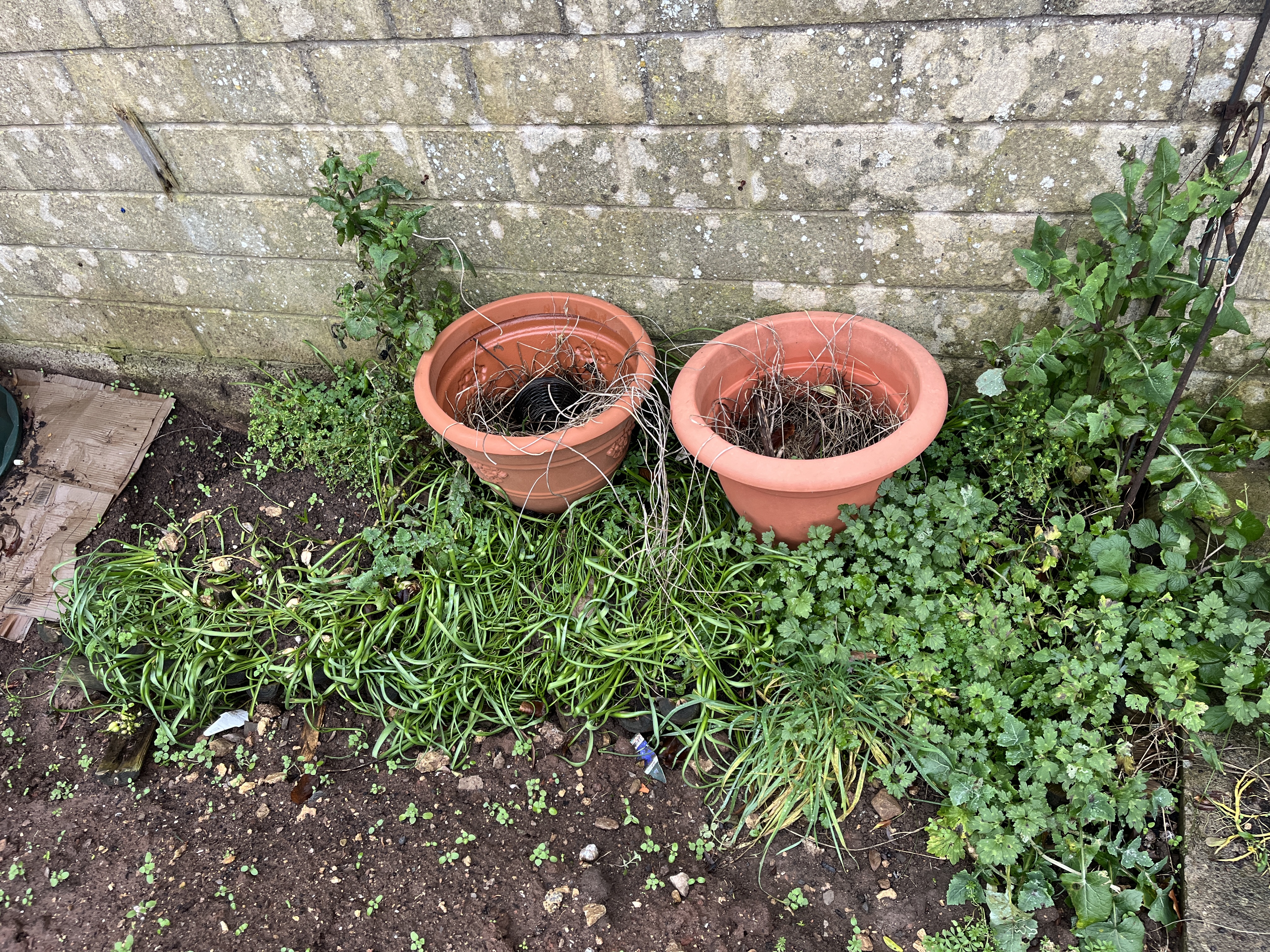
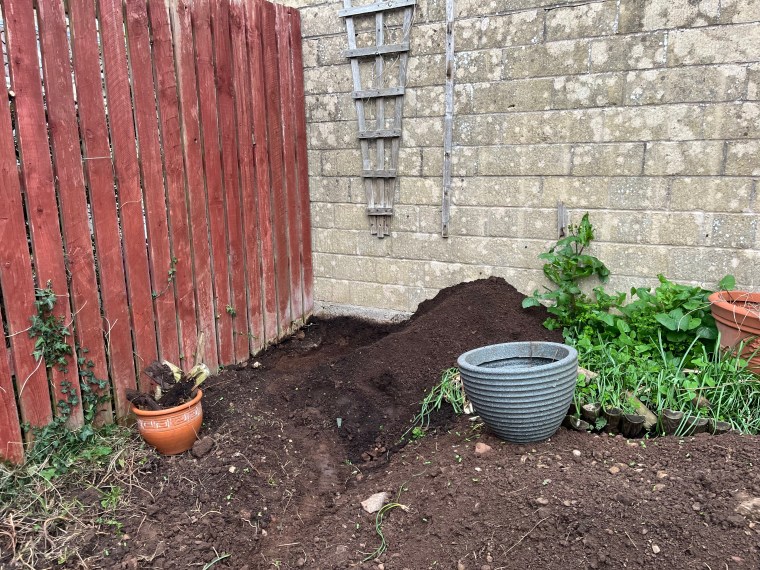
An update on our digging:

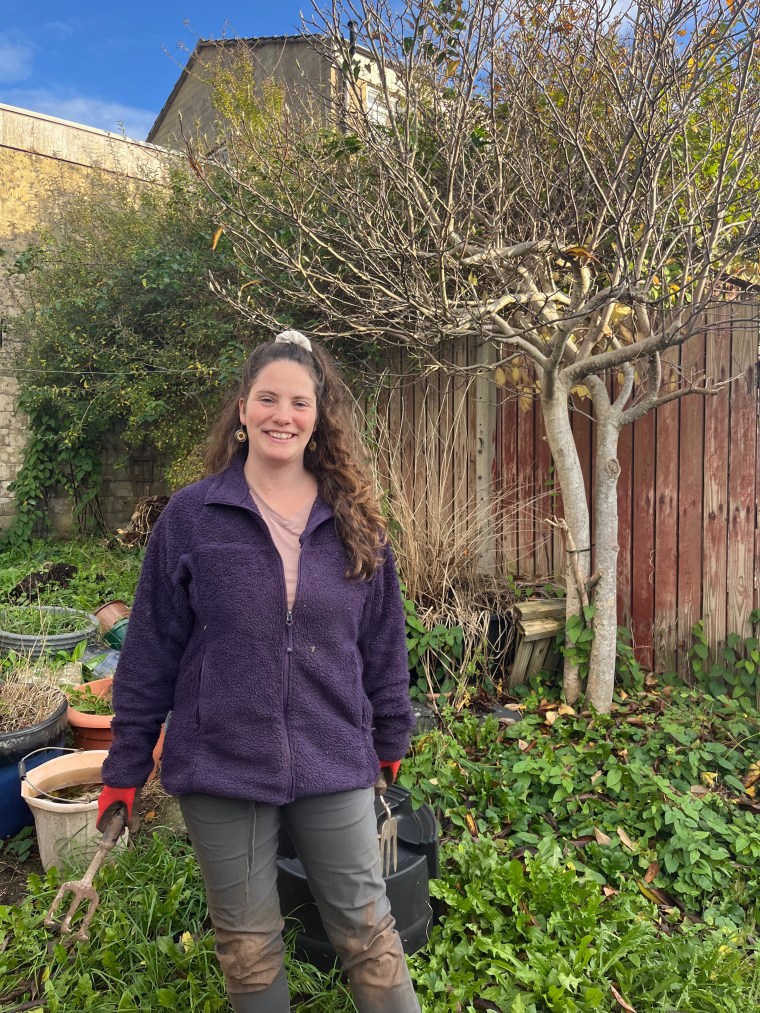
  • Author looking happy in the garden
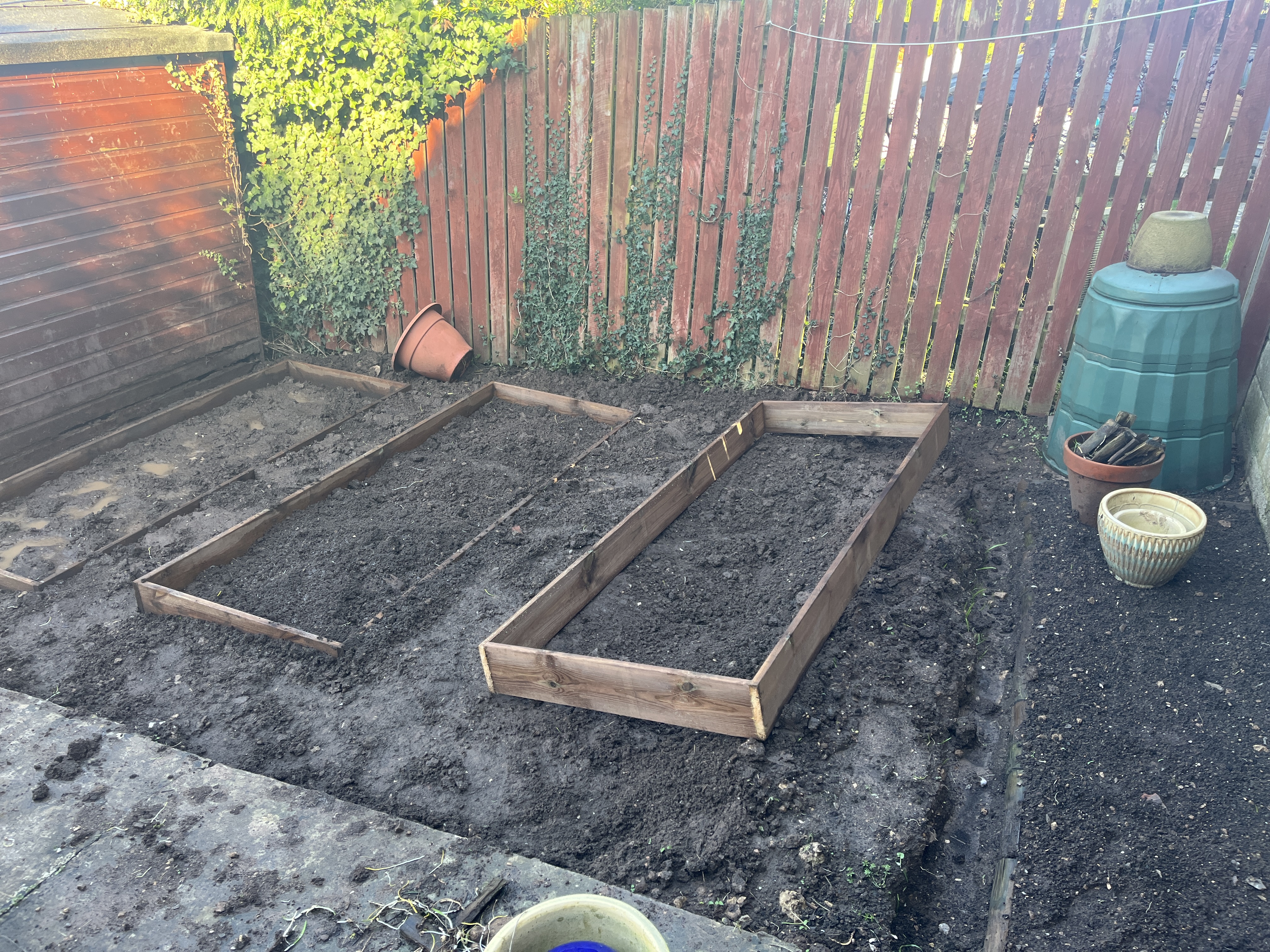
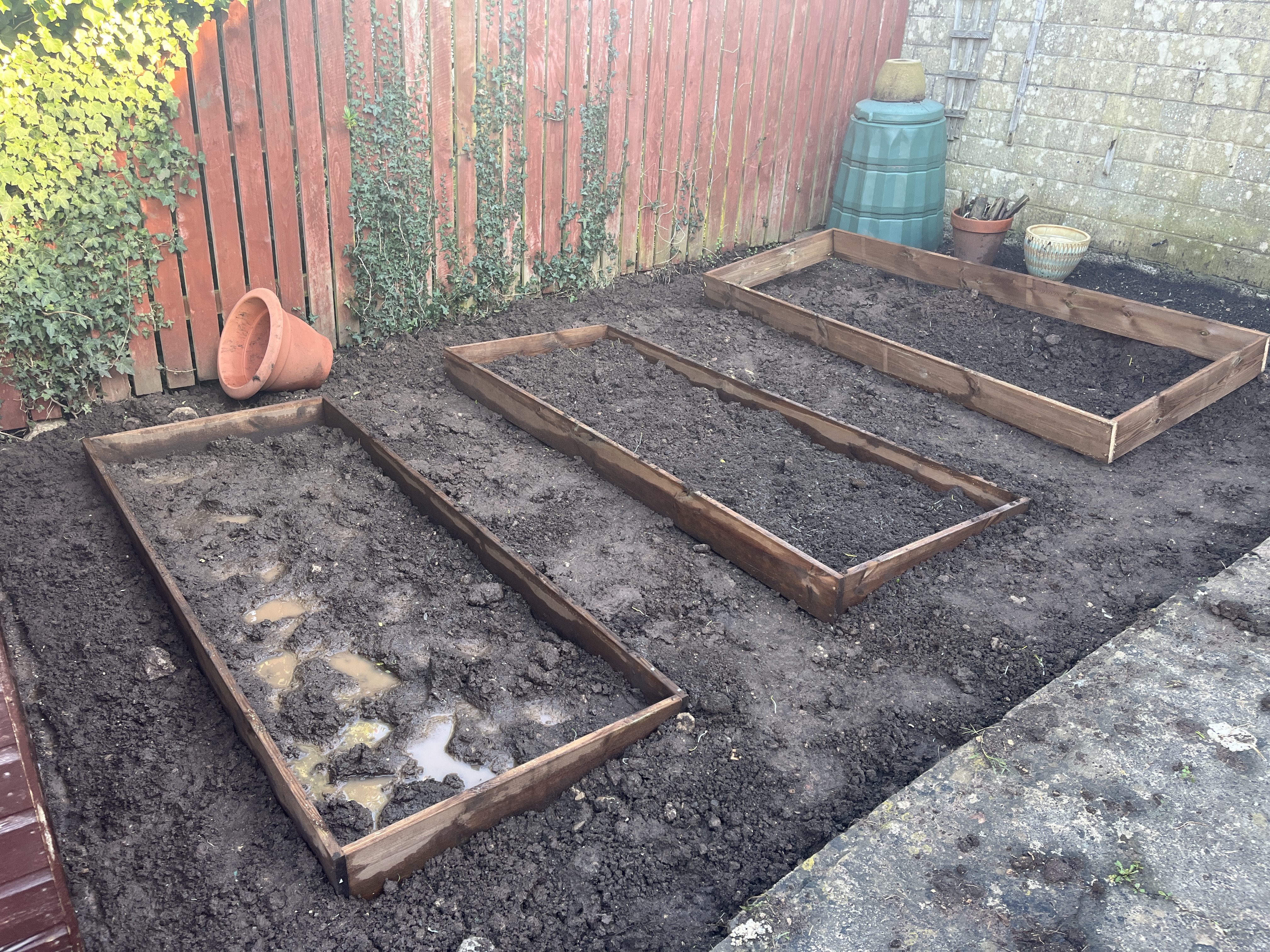
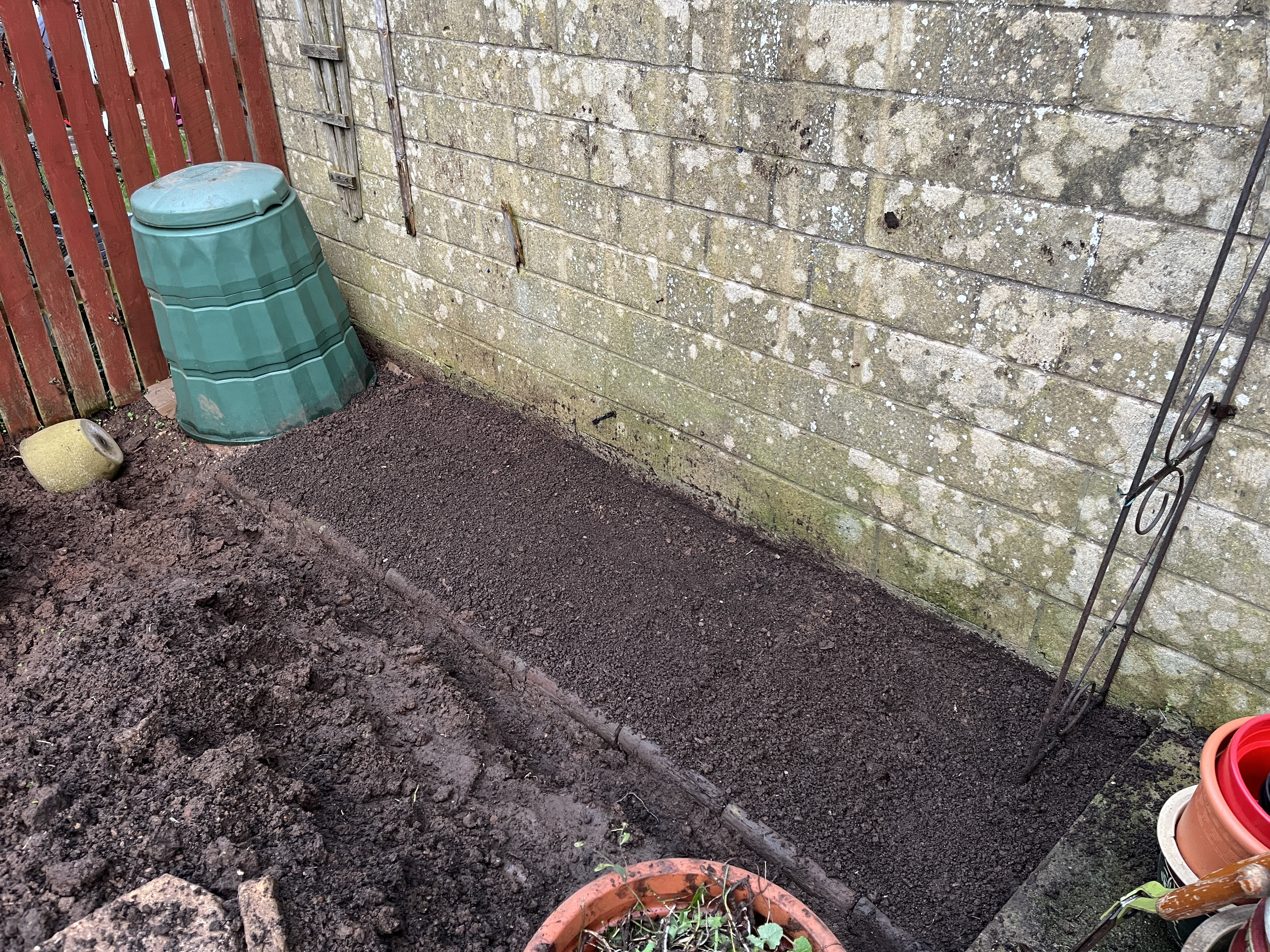
  • Garden update (angle 1)
  • A compost bin with an upside down plantpot on the lid.
  • Garden update (angle 2)
  • Garden update (angle 3)

Diary of a clueless gardener: Starting a compost bin from scratch


I’m finally at the point of having my very own compost bin! 

It might sound a bit funny, but I’ve been wanting my own compost bin for years. I love the idea of taking waste and putting it to good use – to create organic, high-quality soil that will help me grow nutrient-rich food. It’s like recycling… but for vegetables!

Before starting a compost bin, I asked myself three questions: 

  1. Where should I put a compost bin?
  2. What shall I put in my compost? 
  3. How long does it take to make compost?

To answer these questions, I watched videos, read online articles, and even read through the composting section of the RHS book I bought Shem for his birthday – How to Garden: When you’re new to gardening. Here’s what I’ve learnt while preparing to start a compost bin from scratch. 

Where should I put a compost bin? 

When deciding where to put our compost bin, we wanted it close to our soon-to-be veg patch and somewhere easily accessible. 

My research pointed to two other helpful considerations: placing the bin at the top of a slope for better drainage, and choosing a spot that gets some sunlight (to help the bin warm up) without giving up precious growing space.

There is a range of bins to choose from when making compost. The main ones being:

  • Circular plastic ones – cost-effective and great for small spaces
  • Larger wooden ones – environmentally friendly, but more expensive
  • DIY options – in his Simple Guide to Composting video, Huw Richards offers a very simple homemade compost bin using pallets

The house we bought came with a compost bin already in the garden, and it seems to be in good condition. It’s one of the standard stationary plastic ones. Ideally, I’d love to build a wooden bin one day, but for now – given our limited space and my dislike of waste – the plastic bin wins.

What shall I put in my compost?  

The key thing when thinking about ingredients for compost is that you have your greens and browns. The greens heat up the heap, which is key for making compost, and the browns help reduce bad odours, prevent pests and stop the compost from becoming too slimy.

But once you know the “greens” and “browns” rule, composting suddenly feels much simpler.

Greens are fresh materials and release nitrogen – so this would be your veg waste, grass clippings, coffee granules, or even animal manure. 

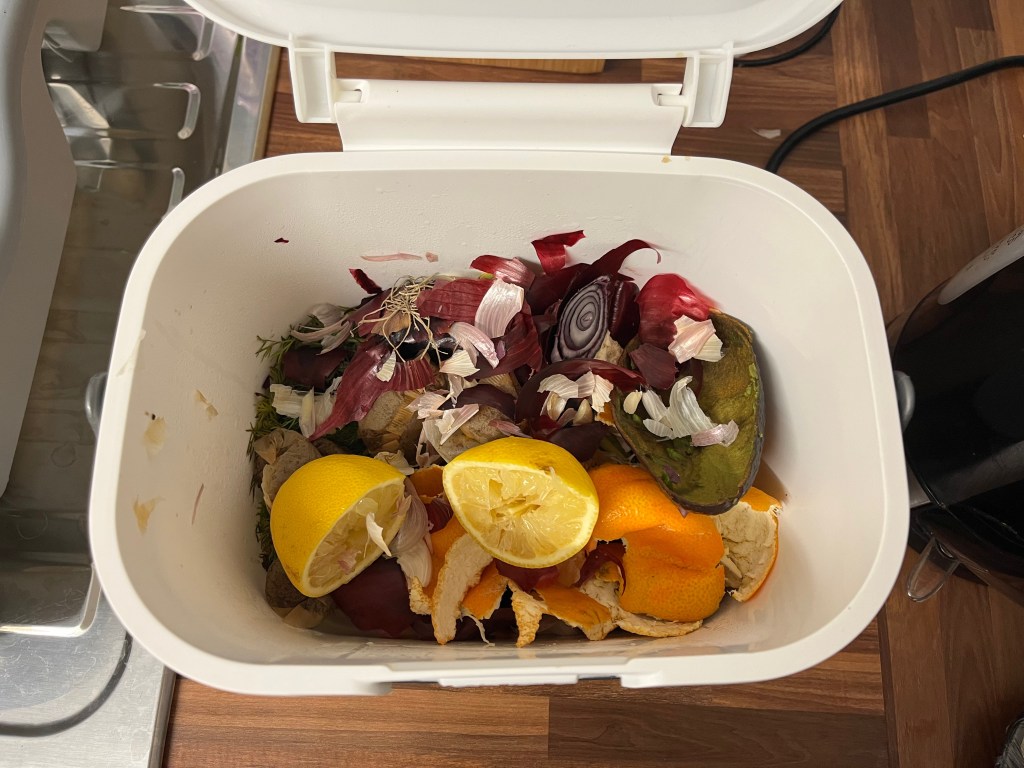
A picture of various kitchen waste greens ready for the compost bin

Browns are dry materials full of carbon – such as cardboard, leaves, paper, sawdust. 

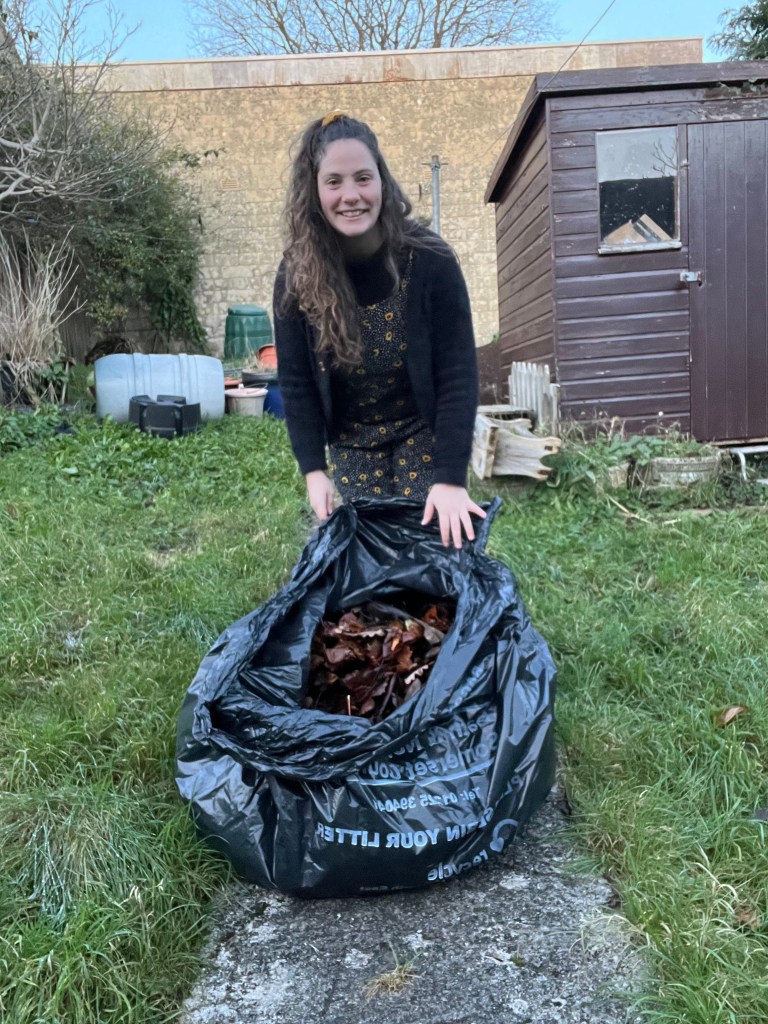
As it’s autumn, I had planned to go and gather lots of leaves from a street down the road from me. By happy coincidence, on the day I planned my leaf-collecting mission, I walked straight into two council workers clearing the exact path I had in mind. At first I kicked myself for not going sooner… and then I realised they were actually saving me a job. So I asked if I could have a bag of leaves -and they very kindly agreed!

Author, Poppy, showing the bag of leaves given to her by the road workers.

When thinking about what not to put in your compost, Better Homes and Gardens has put together a very helpful list.

Now there seems to be some conflicting information about the ratio of how much of each you put in. In the video mentioned earlier, Huw Richards suggested a browns-to-greens ratio of 2:1. However, in GrowVeg’s video, The Ultimate Compost Masterclass with Charles Dowding, it’s recommended to use three parts green and one part brown. 

Two very conflicting pieces of information there! 

So I sought help from other articles too. Although some more mixed views, there seems to be a lot of people suggesting a browns-to-greens ratio of 3:1 – including The Spruce and RHS.

My granny recommended Huw Richards so I’m going to take his advice and start with a browns-to-greens ratio of 2:1. Furthermore, because it’s winter, not having too many browns will mean that the compost heap will heat up more. 

How long does it take to make compost? 

Most sources say compost takes around 12 months to mature. Turning the heap once or twice a month can speed things up by adding oxygen and mixing the materials.

Either way, monitoring the heap seems beneficial. The ratio might need adjusting depending on the weather, the smell, and how warm the heap feels – if it isn’t heating up much, adding extra greens (nitrogen-rich material) can help.

Overall, it looks like this compost won’t be ready for spring when I plan to start my planting. But it will be great mulch to add to my (hopefully thriving) veg patches at the end of next summer. How exciting! 

______________

Learning about the process of compost has put things into perspective for me. Gardening is a slow process. You put in time and effort long before you see any results. But it’s so exciting to be starting our garden and to be sharing our learning and progress with you all.

If you’ve started composting yourself – or if you’re miles ahead of me and already have a thriving heap – I’d love to hear what you’ve learned along the way. What’s worked for you? What mistakes did you make early on?

And if you’re also a clueless-but-keen beginner like me, feel free to follow along as I muddle my way through this gardening adventure. Here’s to slow, steady progress and soil that’s (eventually!) worth the wait…
Diary of a clueless gardener: My 5 reasons to get gardening


I’m starting to think October might not have been the best month to begin a gardening project…

Between the busyness of life – my husband working full-time, having a four month old baby and the house being hit by a wave of seasonal colds – it’s been difficult to get out in the garden recently. I’m all too aware that winter is looming, and the ground will start freezing before we know it, making the task of digging up a large patch of lawn rather difficult! 

So, in order to give myself a bit of a kick up the bum, I thought I’d reflect on all the wonderful reasons to get out in the garden – whatever the weather! 

One of my life mottos has always been: you make time for the things you care about. So, maybe reminding myself of the “whys” behind our gardening project will help me make a little more time to get digging again. 

Creating a happy place 

For the last 5 years of living in Bath, I’ve longed for my own outside space. Somewhere I can make my own, a place to sit in the sun with a cup of tea and a good book. Finally, I have this space, and I don’t want to waste it! 

Plus, now with a little one who will grow up in this garden, I’m excited to make memories out there – having tea parties, teaching her how to grow food, and picking and smelling flowers together. 

Right now this does seem like a little bit of a pipe dream – but for now, every bit of digging, clearing and de-weeding is a step closer! 

The pull of a project

I don’t know about you but I thrive off of having an ongoing project. Something positive and productive to fill my spare time with. It’s especially wonderful when it’s a tangible project, something you can see progress with – and gardening is perfect for this. 

I also love finding projects that I can do alongside my husband. Working alongside each other seems to strengthen our relationship, and reminds us what a great team we are (most the time anyway)! 

Happy, healthy soil 

Did you know getting your hands dirty is good for both your mind and body?

The microbes in soil produce serotonin (our happy hormone), and exposure to them makes our gut microbiome more diverse – improving our digestion, immunity and overall health. Definitely a good way to start preparing for the winter and the seasonal colds that seem to spread so easily!

Plus, according to the RHS, “There’s research showing that exposure to soil, especially in early childhood, can improve immune markers and reduce rates of asthma and allergies.” Learning this today gives my fond childhood memories of mud fights in the woods an even greater appreciation. 

A dose of fresh air

I’m really not much of a winter person, and I often find myself feeling quite low during those darker months. As the days get shorter and the cold sets in, I tend to leave the house less and less.

The lack of fresh air and Vitamin D, and a generally gloomy outlook all add to that seasonal downness I feel. I’m hoping that by having a project to focus on – and a garden to love and care for – I’ll find more reasons to get outside this winter and embrace the cold but fresh air. 

Accountability – that’s you!

Now that I’ve started writing about this gardening adventure, it means I actually need to see it through. Honestly, this is one of the reasons I wanted to share this journey.

I hope that you’ll enjoy watching the progress, and hopefully pick up some helpful tips along the way. But I am also a stickler for accountability so, dear readers, please do follow along with this journey, keep me accountable when I start to slip, and share your own advice as I go! 

Well, that was helpful, some reminders to hold on to when the weather’s grey and life’s to-do list is long. What are your gardening motivations? What gets you outside with your hands in the soil? Feel free to just ponder, or let me know – I’d love to hear what inspires you. 

Alternatively, if you haven’t ever embarked on your own gardening journey – what’s holding you back? 

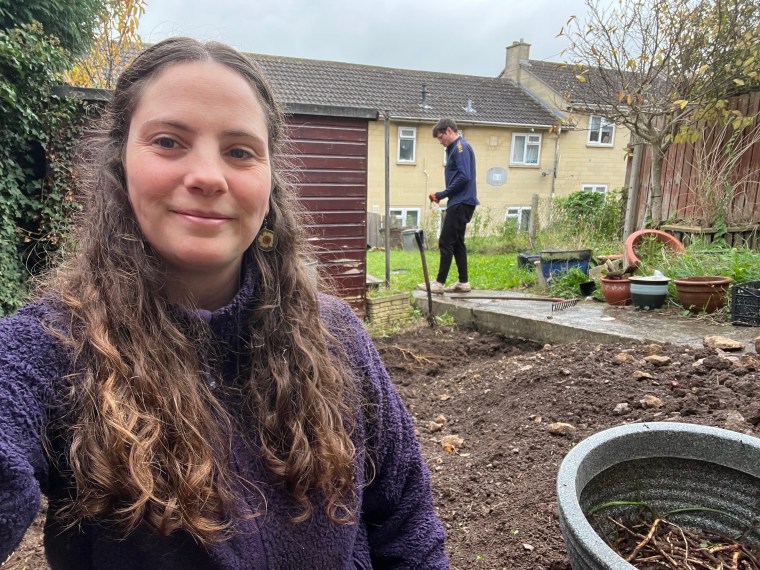
  • Poppy (writer of the blog) in her garden

Diary of a clueless gardener: Bindweeds!!!


I know I’ve only just started, but I think I may have already found my gardening nemesis…

Each week when our food waste goes out, I’m horrendously reminded of how much of it could have gone towards our future soil. So, while Shem (that’s my husband!) continues to tackle the main de-weeding, I decided to focus on a smaller project: getting the top corner of the garden ready for a compost bin.

However, this week I discovered that the corner is absolutely filled with bindweed.

What is bindweed? 

Bindweed is an invasive plant that grows quickly and can twist around other plants, choking and stunting their growth, or even killing them. Not something I would like in my garden! 

There are two types: hedge bindweed and field bindweed. According to The Wildlife Trusts, the way to distinguish between the two is by the flowers. Hedge bindweed has large trumpet-shaped flowers, while field bindweed’s flowers are much smaller. 

When our garden was growing wild over the summer, we had both large and small flowers growing. So it seems we’re infested with both field and hedge bindweed! 

Why the purge? 

Bindweed is difficult to get rid of. It’s an irritatingly intelligent and stubborn plant. If you leave any trace of the plant or its root, it will sprout back into a new plant.

Quite an amazing part of creation, but rather frustrating if you’re trying to rid your garden of it!

Dealing with bindweed (without chemicals)

According to Love the Garden, the most straightforward and effective way to remove bindweed is to use weedkiller. 

But we’re keen to keep our garden chemical-free, so it looks like it’s going to take more time, patience, and digging.

Thankfully, Gardeners’ World has given some helpful ways to tackle bindweed organically:

  • In beds and borders, dig out the roots completely. Winter to early spring is the best time, before new growth begins.
  • Remove every last bit of the root (a fork helps avoid snapping them).
  • If it’s tangled around established plants, carefully loosen the soil on either side and pull out the roots whole.
  • In summer, when digging isn’t possible, cut or pull off new shoots regularly to weaken the plant.
  • Homemade weed killers and weed burners can help reduce top growth but won’t kill the roots.

My experience with bindweed

Although it takes a lot more effort getting out at this time of year, it looks like October is a good time to tackle bindweed by digging up the ground. 

So that’s what we’ve been doing – digging, digging, digging. I’ve gone about an arm’s length deep, and I’m still finding more roots! Especially in the corner where I’m planning to place the compost bin.

On the bright side, I think I’ve located where a lot of it stems from. The downside? It feels endless. And because it’s where our compost bin will be, I really want to make sure the soil is clean before we start. It would be awful if our compost becomes infested with bindweed. 

It does feel like I’m making some progress, at least there are a lot of bindweed weeds in my little bucket… 

But a lot of the roots seem be coming from under our fence to the neighbour’s garden. I’m not sure how to stop them creeping back without using chemicals. 

Help, please?

Have you had any experience with bindweed? Do you have any advice for getting rid of it naturally – or keeping it from coming back? Please do let me know in the comments or messages! I’d love to hear your experiences.

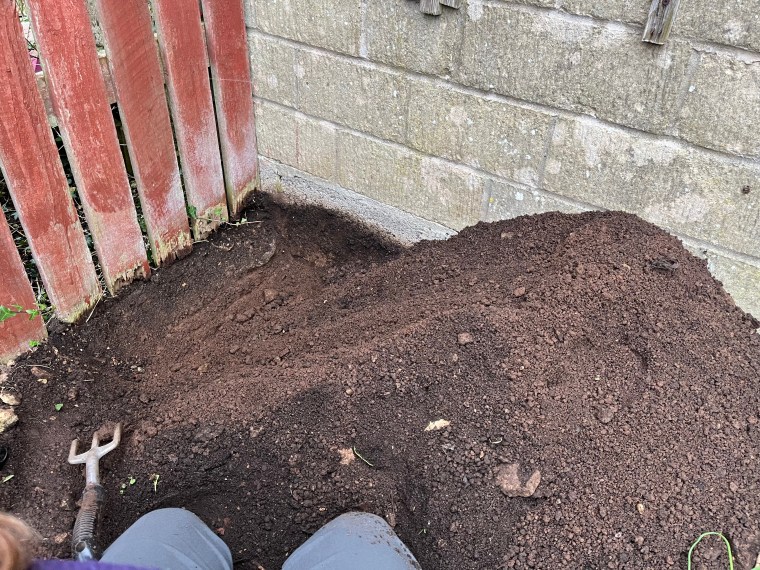
  • Corner of the garden where the compost bin will be
  • Bucket of bindweed roots
  • Bucket of bindweed roots
  • Poppy and Shem digging in the garden
  • Depth of the hole dug in the garden
  • Bindweed roots coming from the neighbour's garden
  • Bindweed roots coming from the neighbour's garden
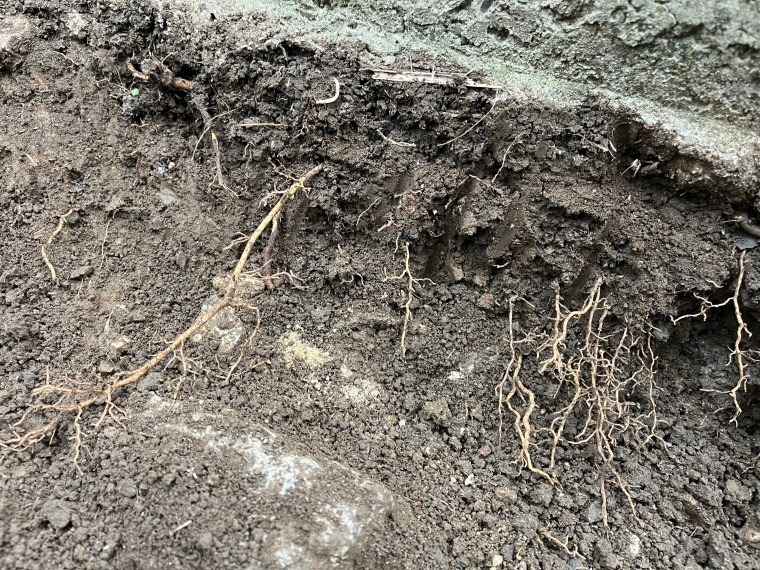
  • Bindweed roots in the soil
  • Bindweed roots in the soil
  • Bindweed roots in the soil

Diary of a clueless gardener: Getting to the root of it


The other morning, whilst lying in bed, my husband and I decided it was time to make a start on the garden. He was very excited to go out and buy some wood to build the veg boxes. After discussing, we realised we would be jumping the gun a little bit. We had a much bigger problem to tackle first… 

When we first moved in, we had a small tidy up of the garden. My husband mowed the lawn and we gathered plant pots left by the previous owners. When I say “we”, I actually mean my husband – I was 36 weeks pregnant at the time! Then our little girl was born in May, which meant we were a little preoccupied over the summer and the garden had to wait. 

It turns out, this was a blessing in disguise. By letting the garden grow free, we were able to discover what plants already existed, and what weeds needed to be dealt with. 

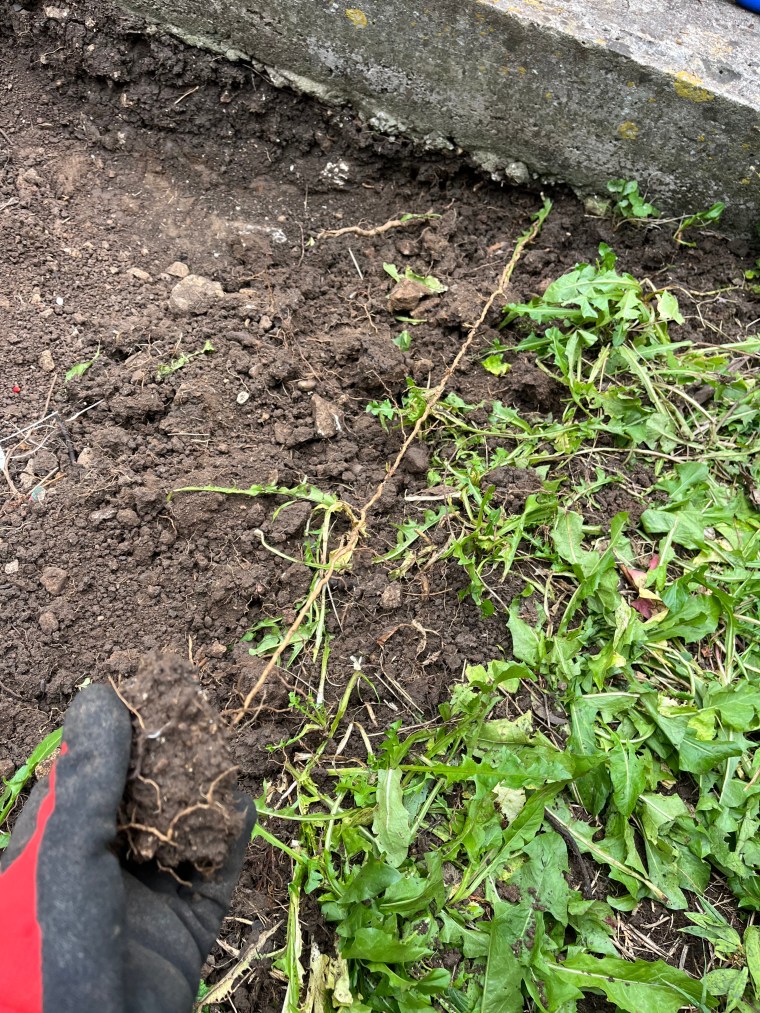
We discovered that bindweed has taken over our garden. According to our neighbour, this is what’s making our lawn bumpy. Plus, because of their deep roots, removing the dandelions that cover our garden is going to be hard work.

Essentially, we need to overturn the grass areas of our garden and start afresh, otherwise any veg boxes or flowerbeds will quickly be overrun by weeds.

Getting the job started 

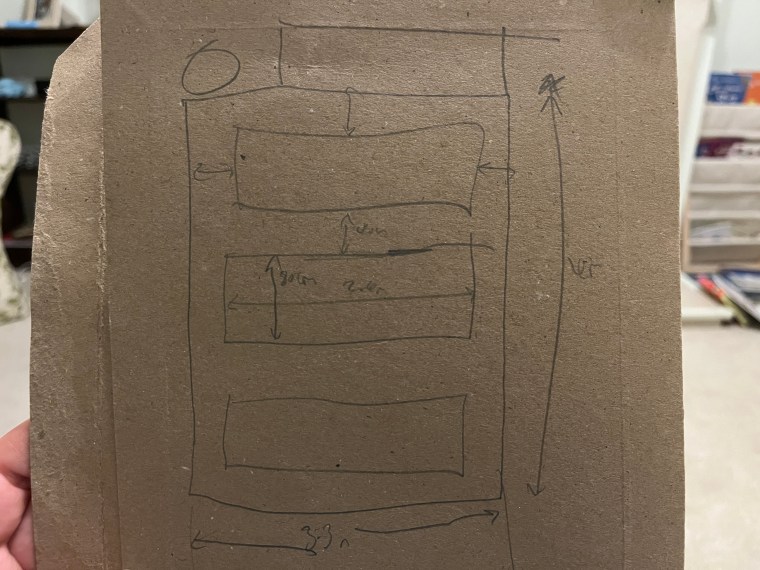
In order to make the project doable, and a little less overwhelming, we’ve mentally split our garden into four parts: Veg patch, section opposite the veg patch, flower beds, and the rest of the garden. We’re starting with the veg patch – roughly 3m x 5m – with a hope to have boxes ready for planting in spring.

Our immediate aim is to dig up the area by hand and remove as many roots as possible. We’ll be trying to avoid the use of chemicals during this whole process to protect the wildlife in the soil, plus it keeps the garden ecosystem healthier overall.

We are on day five of digging and about a quarter of the way through the patch. Here’s what I’ve learned so far: 

  • Dandelion roots go deep! We’ve dug about one foot down and still haven’t gotten to the bottom of some of them. 
  • Free medicine. Did you know about the health benefits of dandelion roots? Chucking them all away feels like I’m wasting free medicine – perhaps I’ll make some tea with it in the coming weeks. 
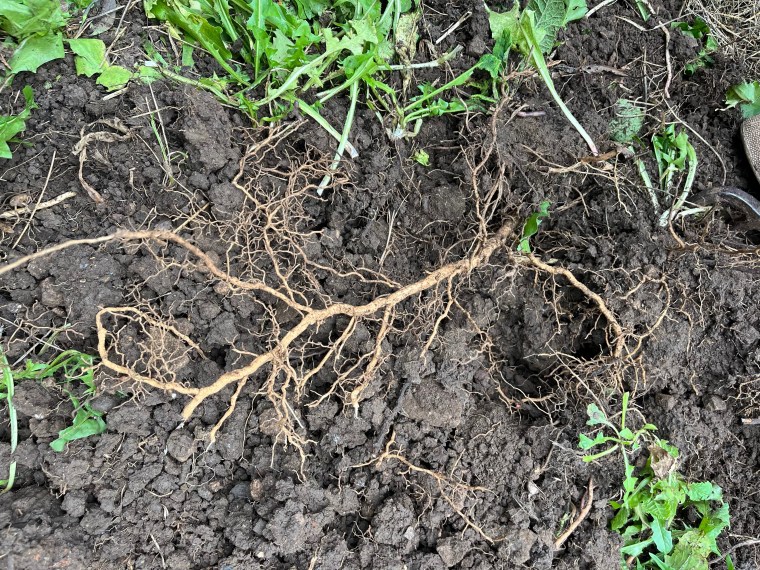
  • Bindweeds roots travel far! Not usually as deep as dandelions, but tug one root and there’s movement over a metre away. 
  • An irritatingly intelligent plant. I read somewhere that if you leave any part of a bindweed in the ground, it will grow again – you need to be thorough with your digging! 

Any advice is appreciated

So far it’s been enjoyable getting our hands into the dirt and having an excuse to get outside – even though we’re getting less and less daylight in the evenings now!

But it’s also been a bit of an eye opener of just how much work we have to do. We’ve made good progress, but when you compare it to the rest of the garden? We have a very long way to go. 

If you’ve ever battled bindweed, dandelions, or just the chaos of an unkempt garden, I’d love to hear your tips. How did you survive your first digging adventure?

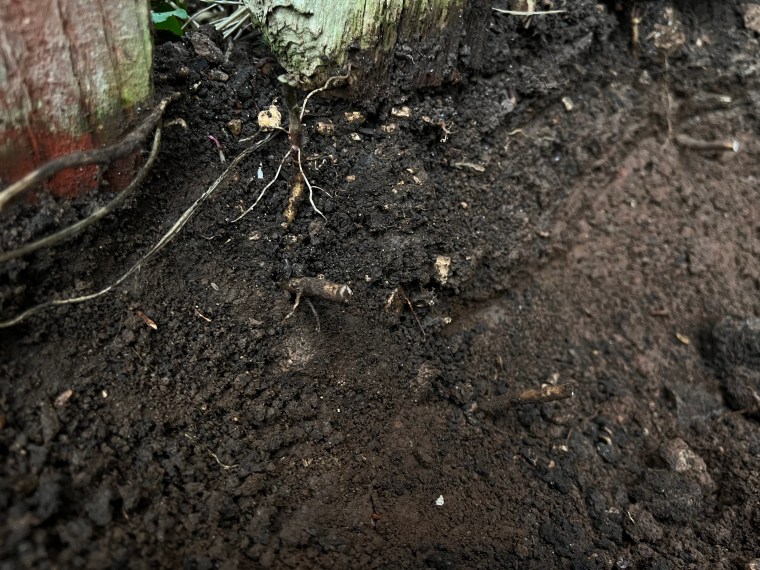
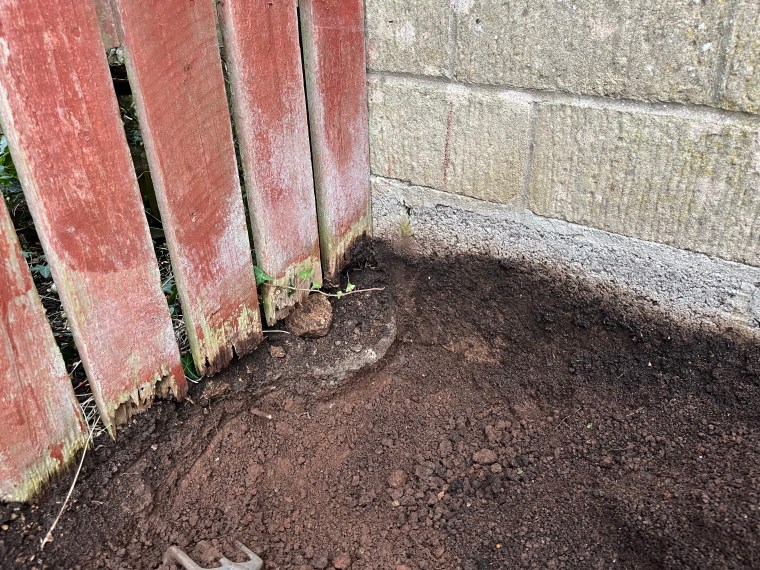
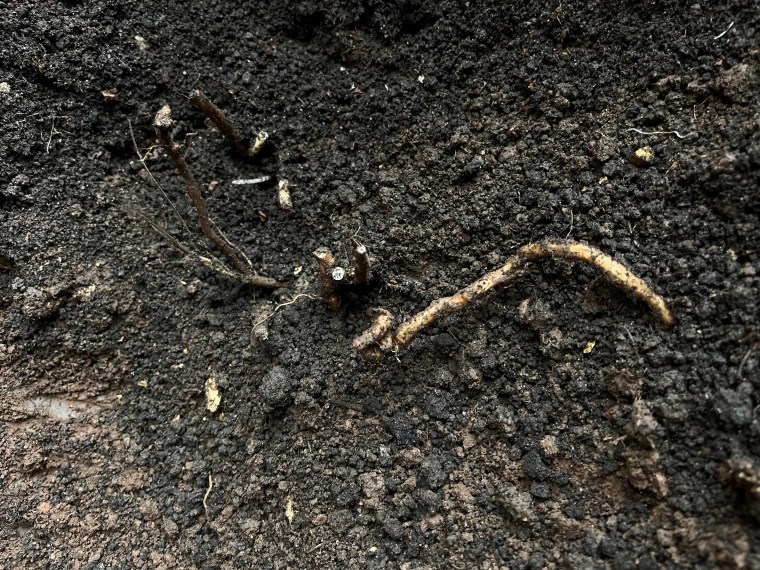
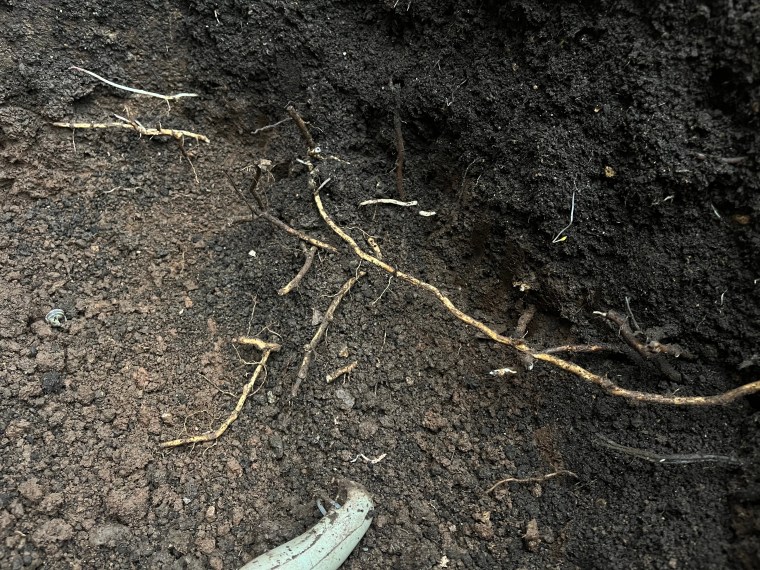
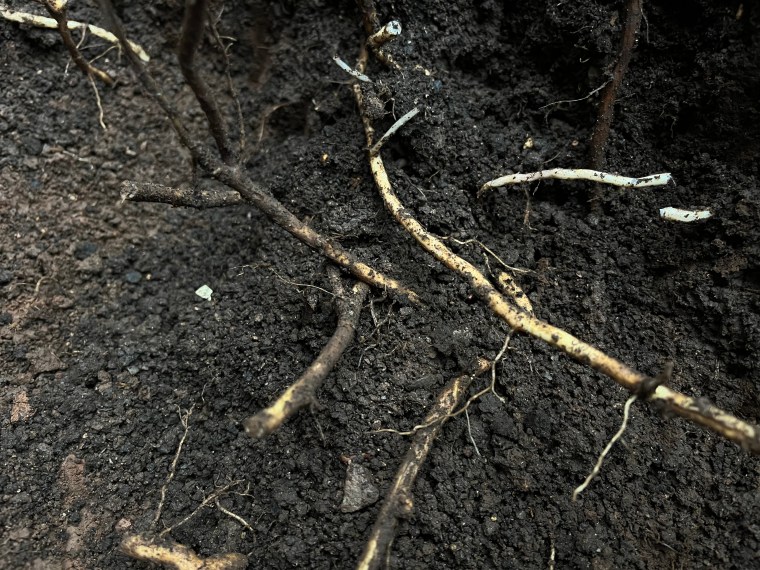
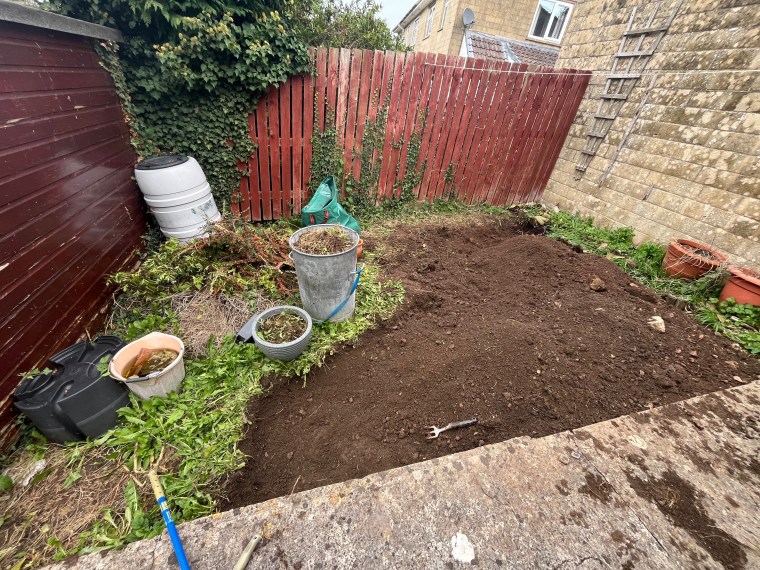
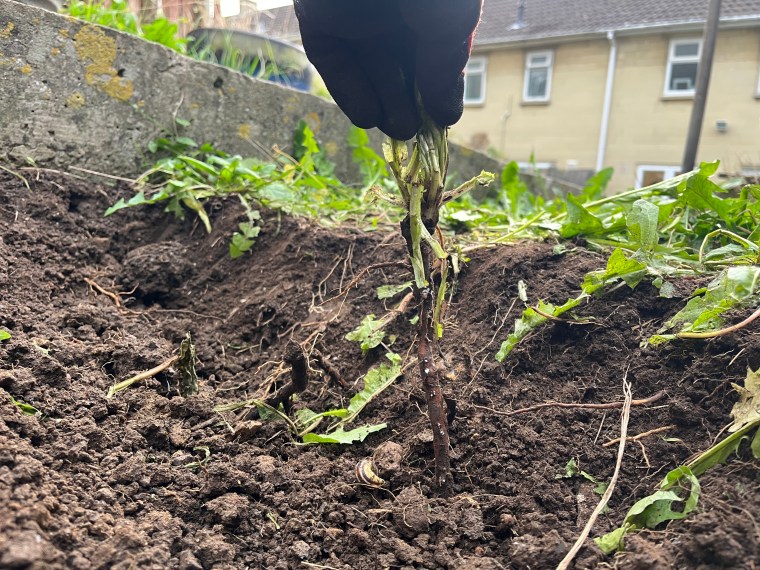
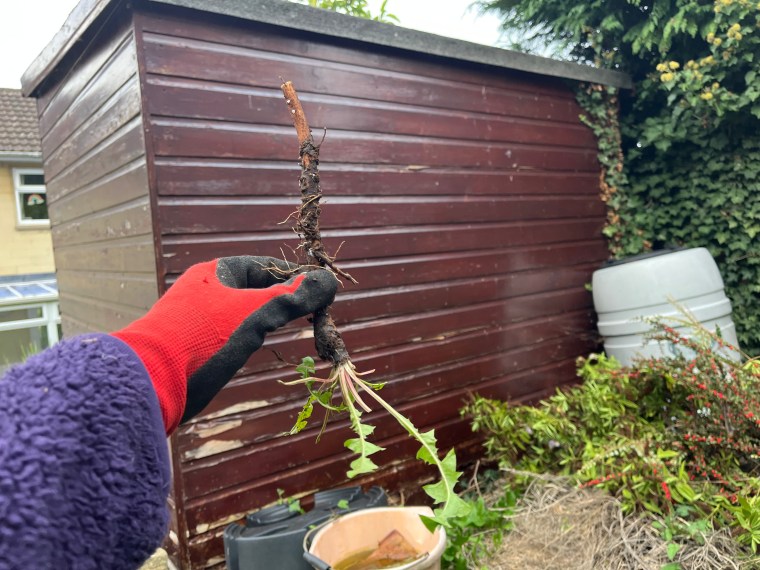
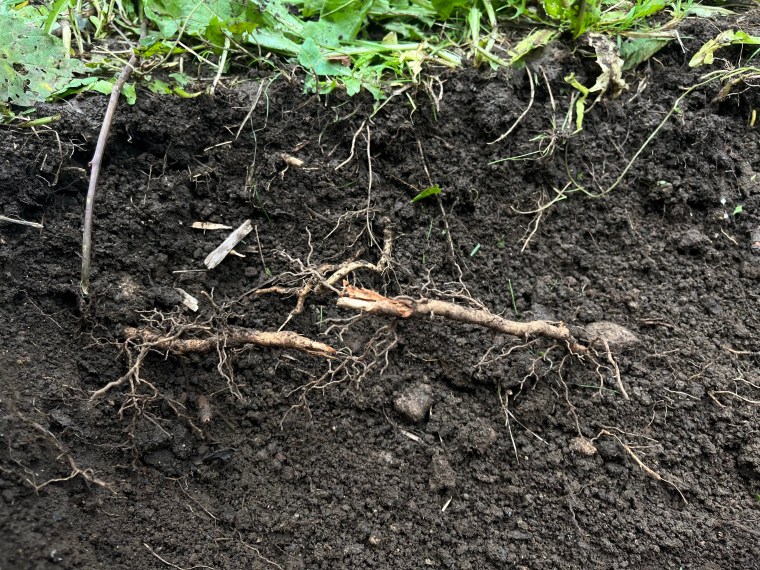
An update on our digging, and some discovered roots:

If you can identify the last two photos, please help!

Diary of a clueless gardener: Starting my gardening journey


I’ve always dreamed of growing my own veg and filling a garden with bright and colourful flowers. And now, after buying a house with my husband, I finally have a garden!

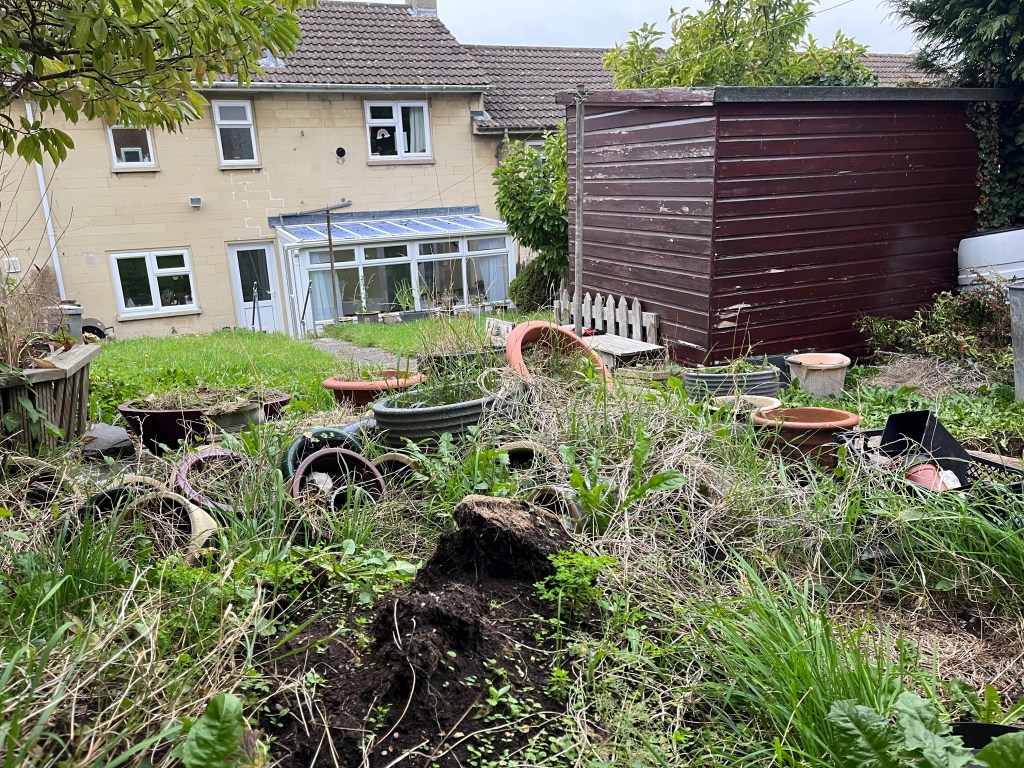
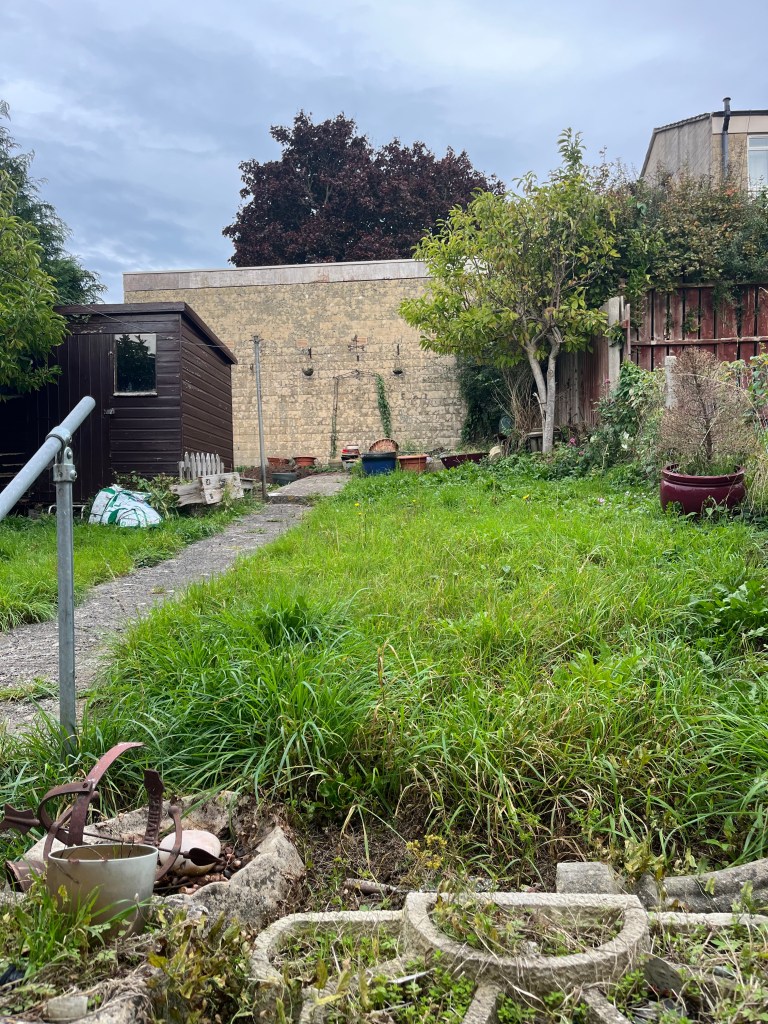
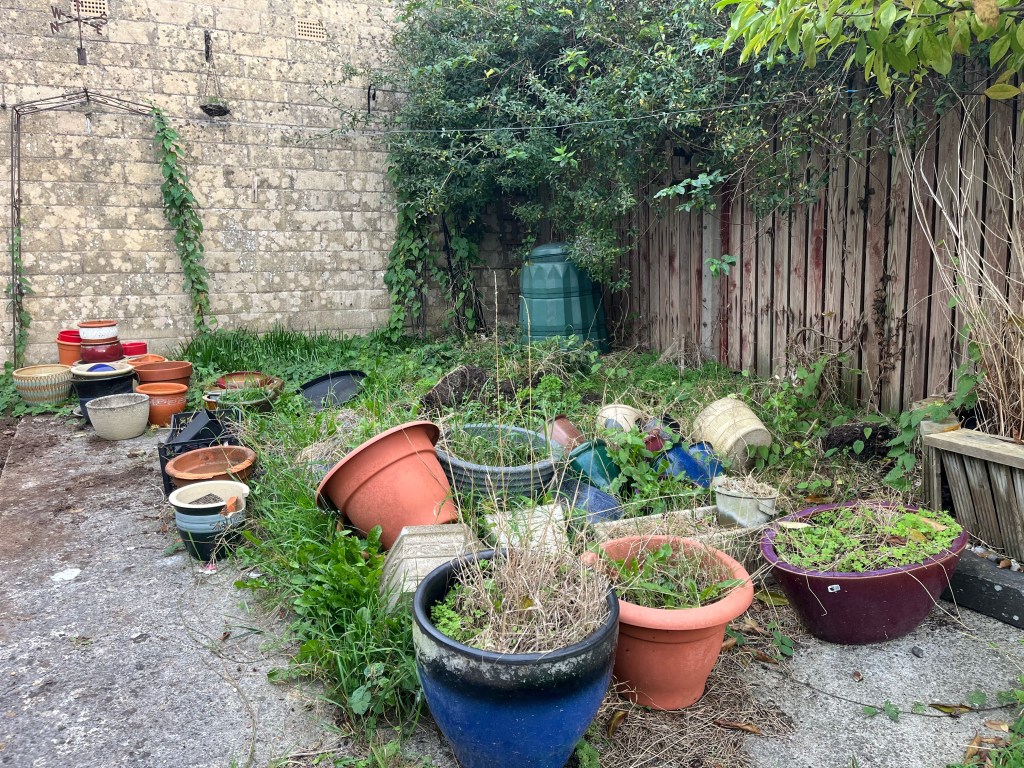
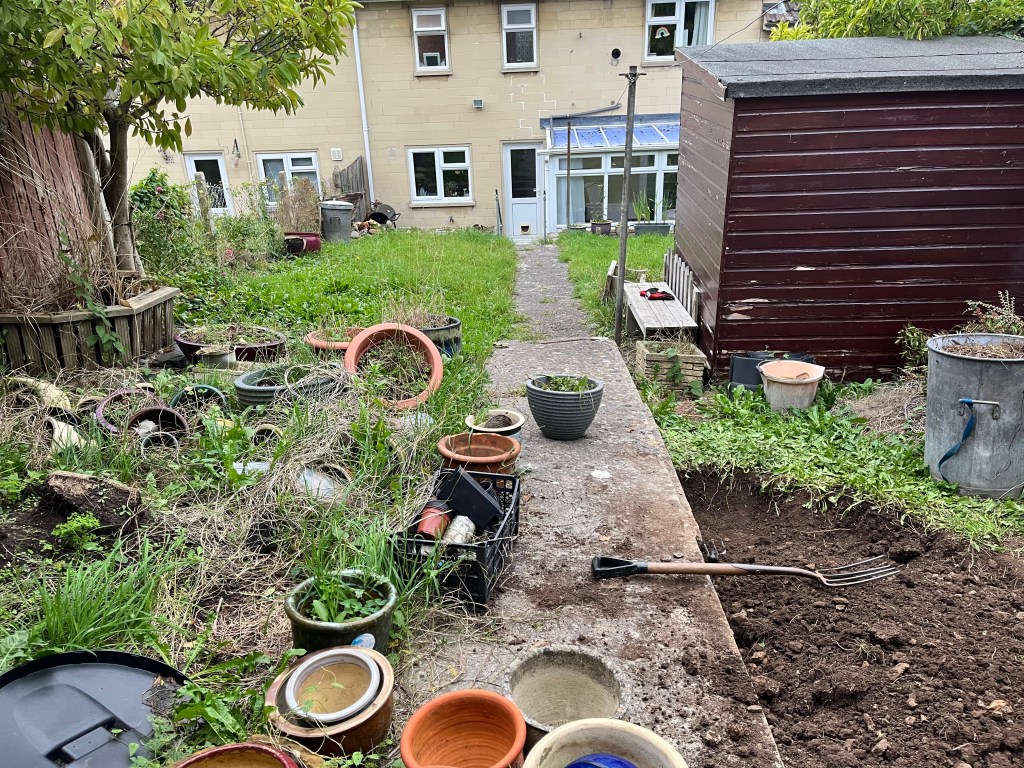
The only catch? I don’t know a thing about gardening – and it’s currently far from ‘grow your own’ ready. Between the infestation of invasive weeds, the bumpy lawn and the flowerbeds that look like they’ve barely survived an explosion, it’s going to take a lot of work to bring this garden back to life. 

But it’s an adventure we’ve decided to take on – so here’s where it begins, with more enthusiasm than expertise, and a hope to share some helpful insights along the way.

As I embark on sharing this gardening journey, an introduction is in order. I’m Poppy – 28 years old, two years married, and we’ve just welcomed our first little one into the world. We live in the beautiful city of Bath and bought our first home at the beginning of the year. 

I grew up in North Devon, surrounded by rolling countryside, so since moving to the city I’ve longed for a little green escape of my own. But now that I finally have the opportunity to create one, I need to figure out how to make it thrive.

So why a full-blown garden project instead of just a tidy-up and some nice patio furniture? Well, the idealistic goal is to grow my own food.

I’m tired of fruit and veg that are coated in chemicals, or the disappointment of bringing home greengrocer produce to find it’s already gone bad. I want fresh, trustworthy food straight from my own back garden.

But this is going to be quite a journey, because my current gardening knowledge goes as far as helping my mum in our front garden as a child – she somehow managed to rope a bunch of other kids from the estate to help her too. I loved the sense of community it brought – everyone working towards the same goal, whilst tending their own little patch. 

That memory has always stayed with me, and it’s partly why I want to share this journey here – not just to document the process, but to rediscover that same sense of connection and joy that comes from growing something together.

So here we go. I’m clueless but excited, and ready to get my hands dirty. 

If you’ve ever started a garden project – or at least attempted one – I’d love to hear your best tips. What do you wish you’d known when you first started gardening?

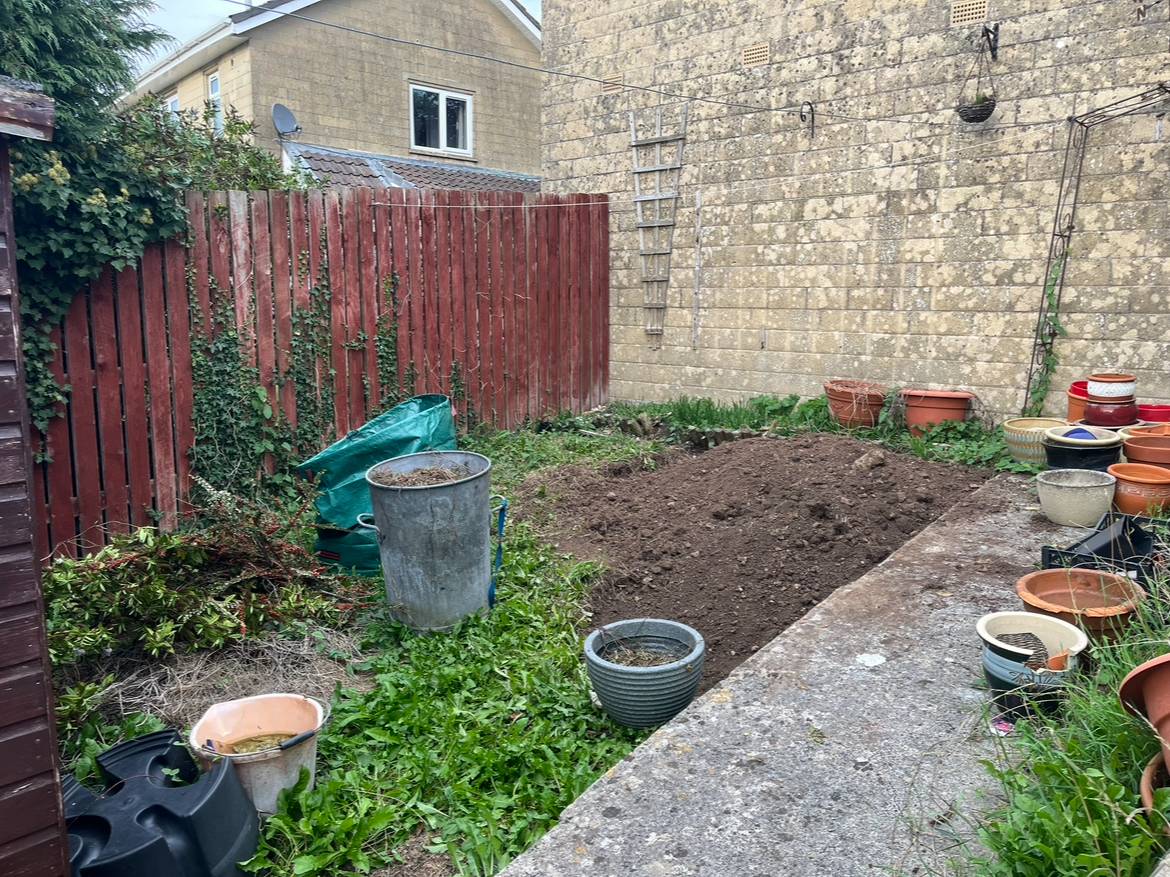
The current state of the garden: