Diary of a Clueless Gardener: Installing Veg Boxes for the First Time


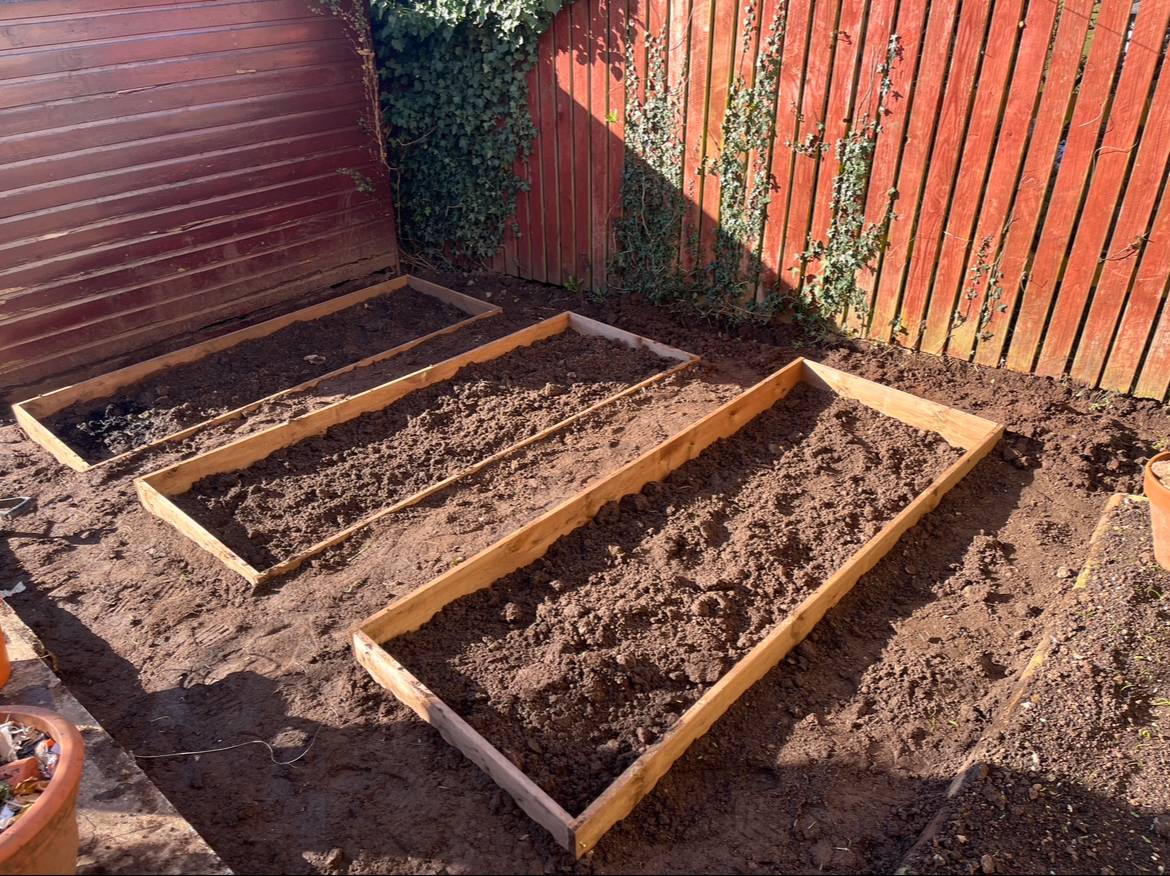
I’m so very excited to share that our veg boxes are in! 

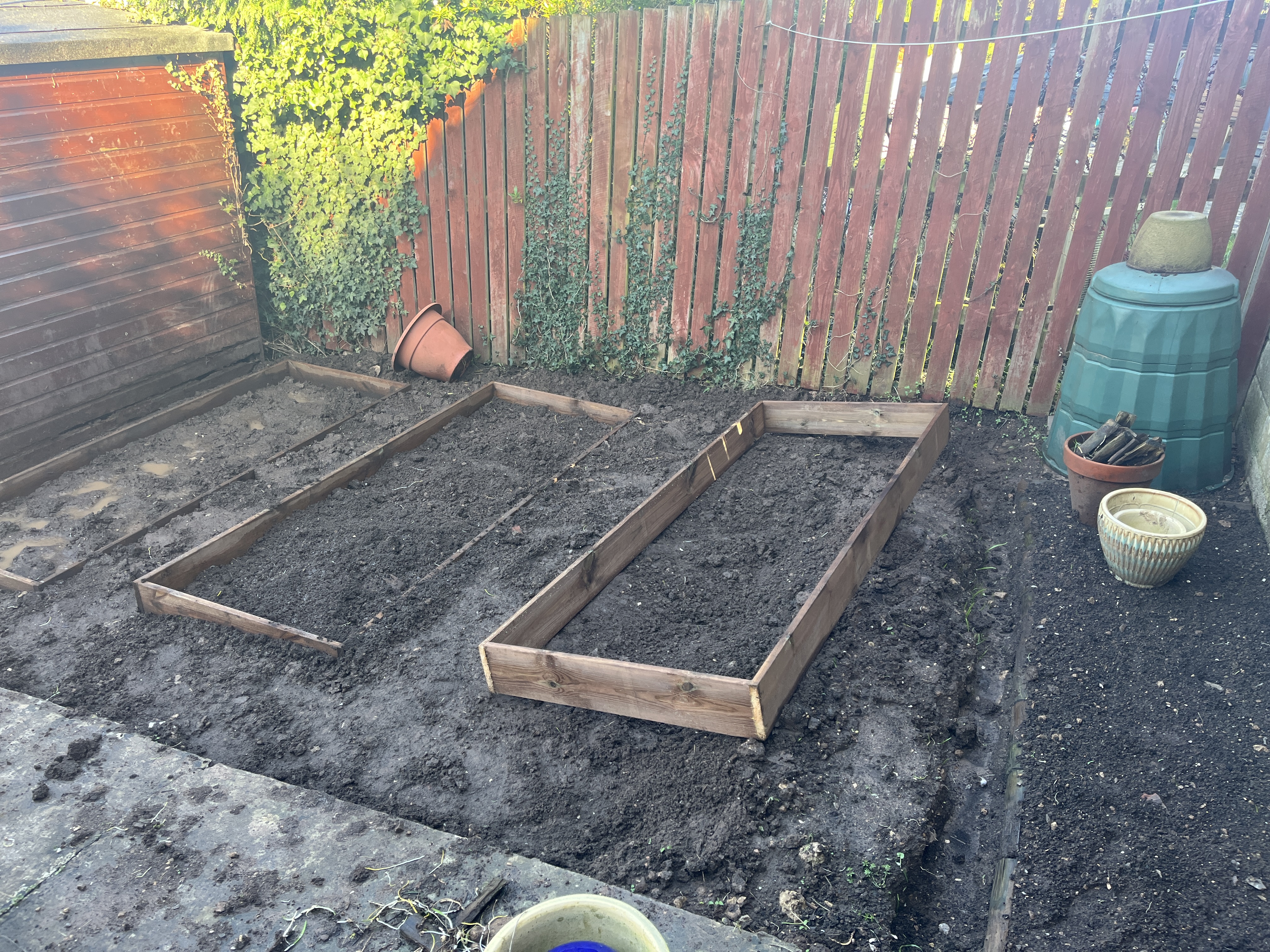
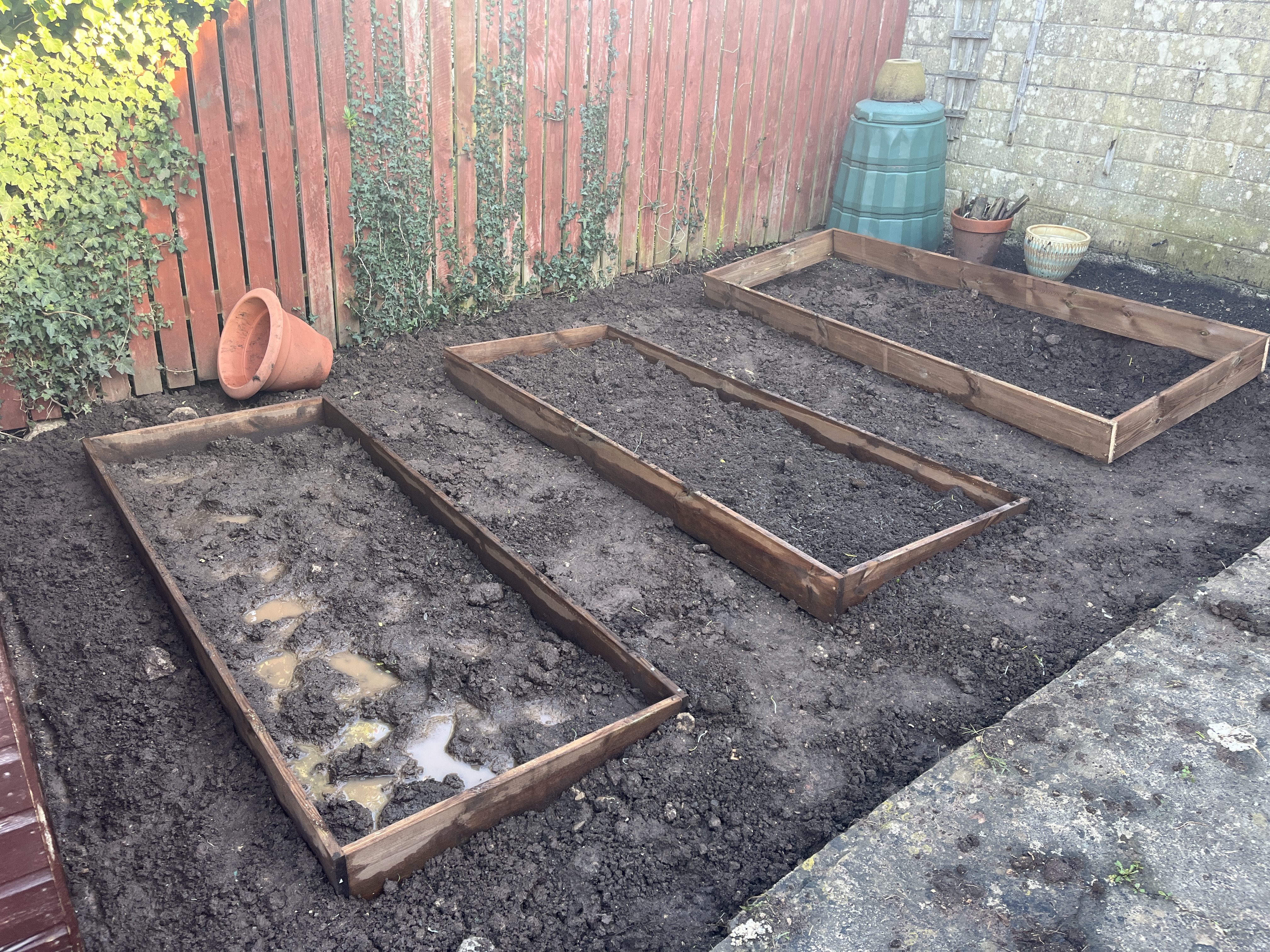
They are yet to be filled and planted in but we’re so almost there. Very exciting indeed. We’ll have veg growing before you know it! It’s taken hard work to get to this point, and we’ve already learnt so much on the way. 

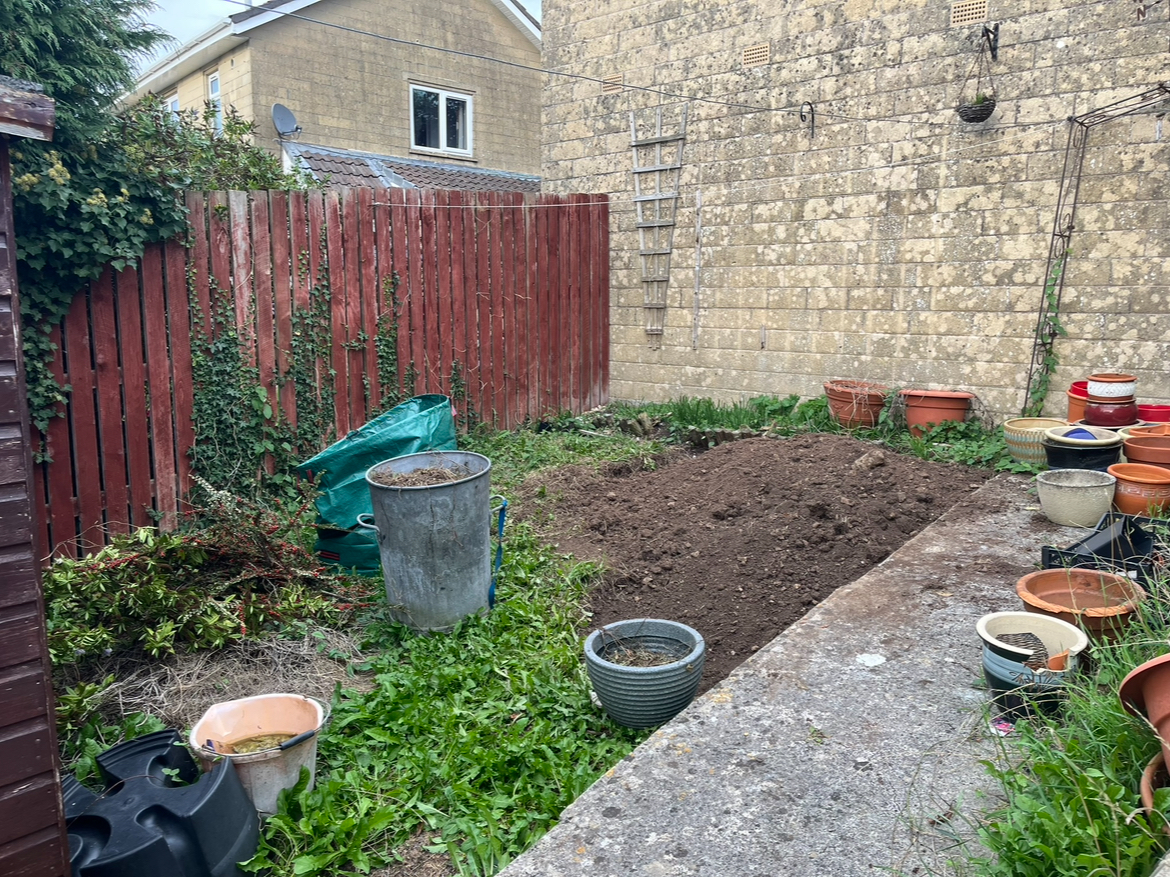
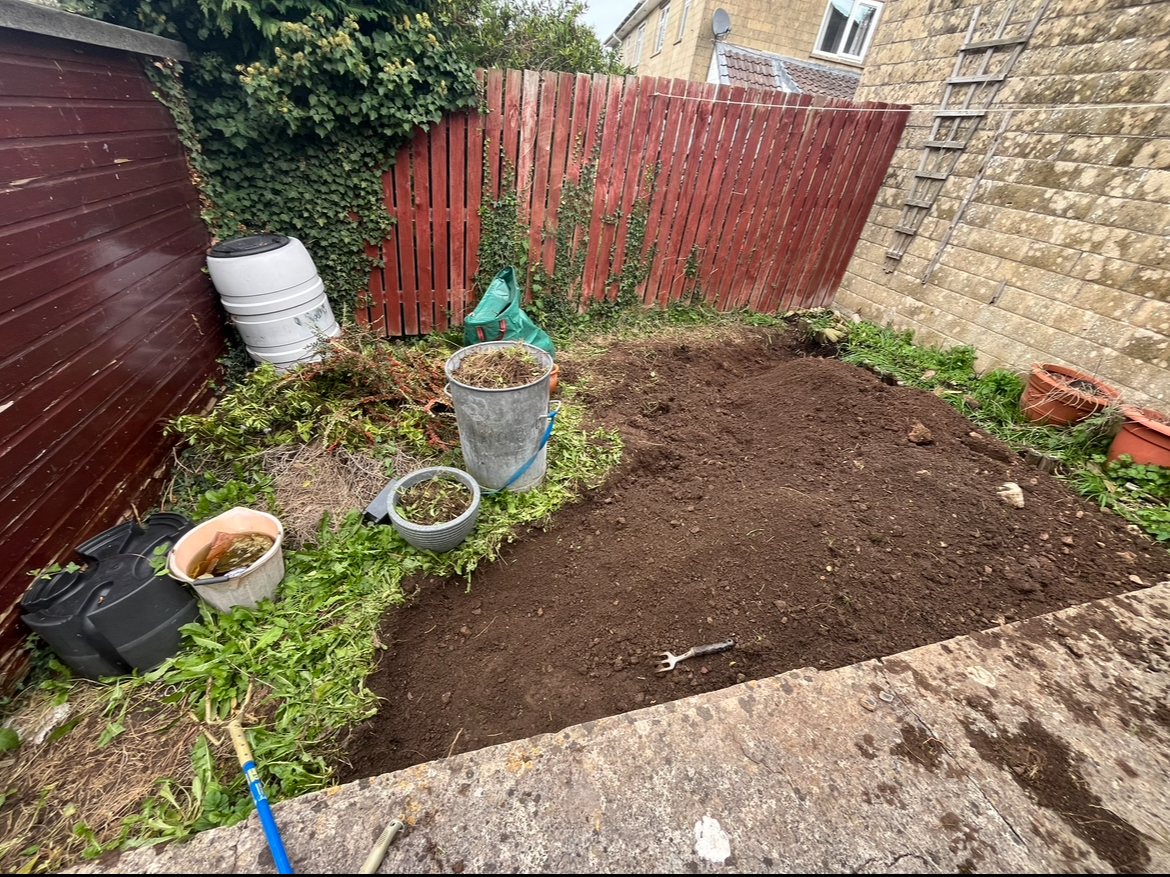
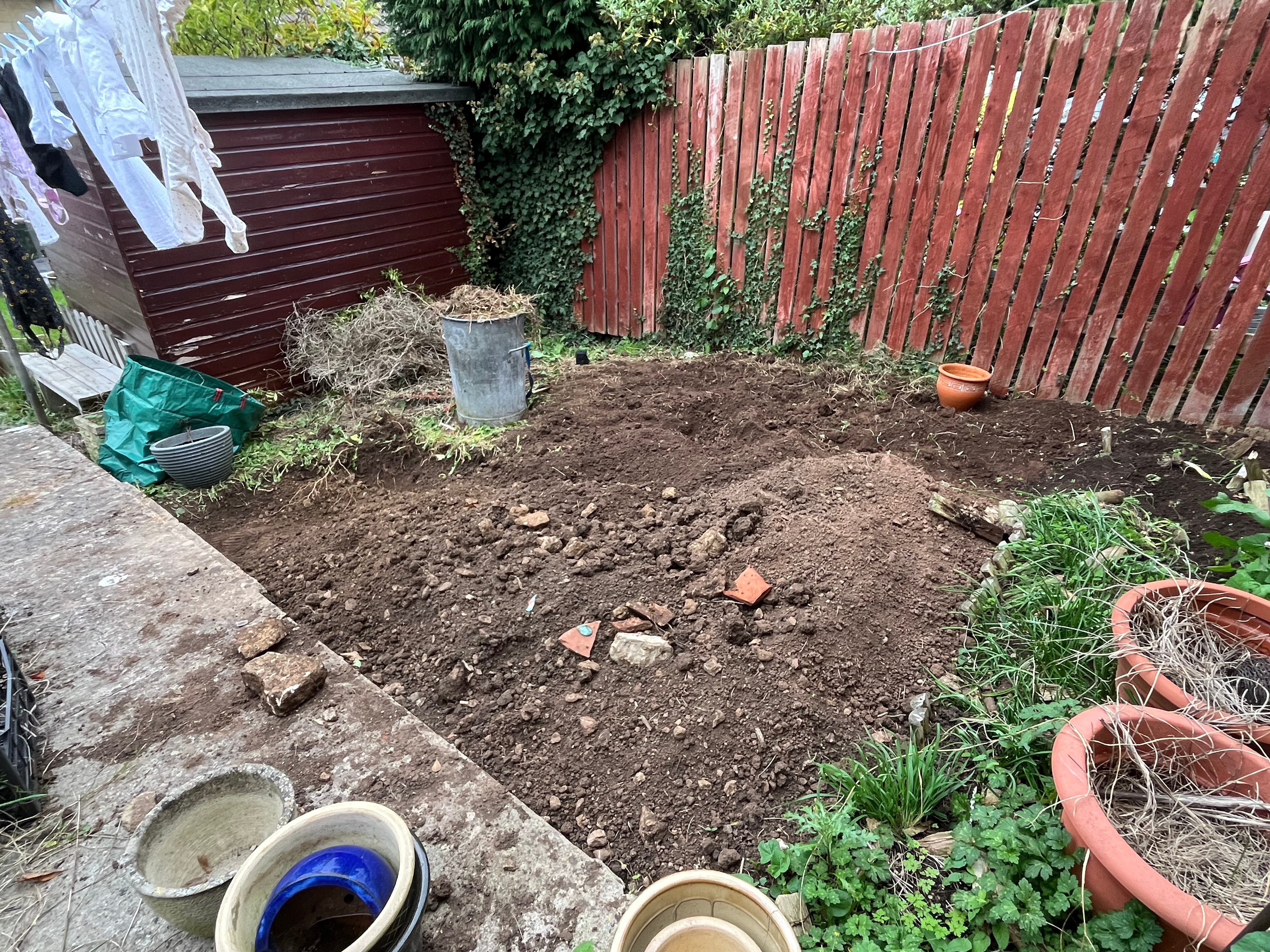
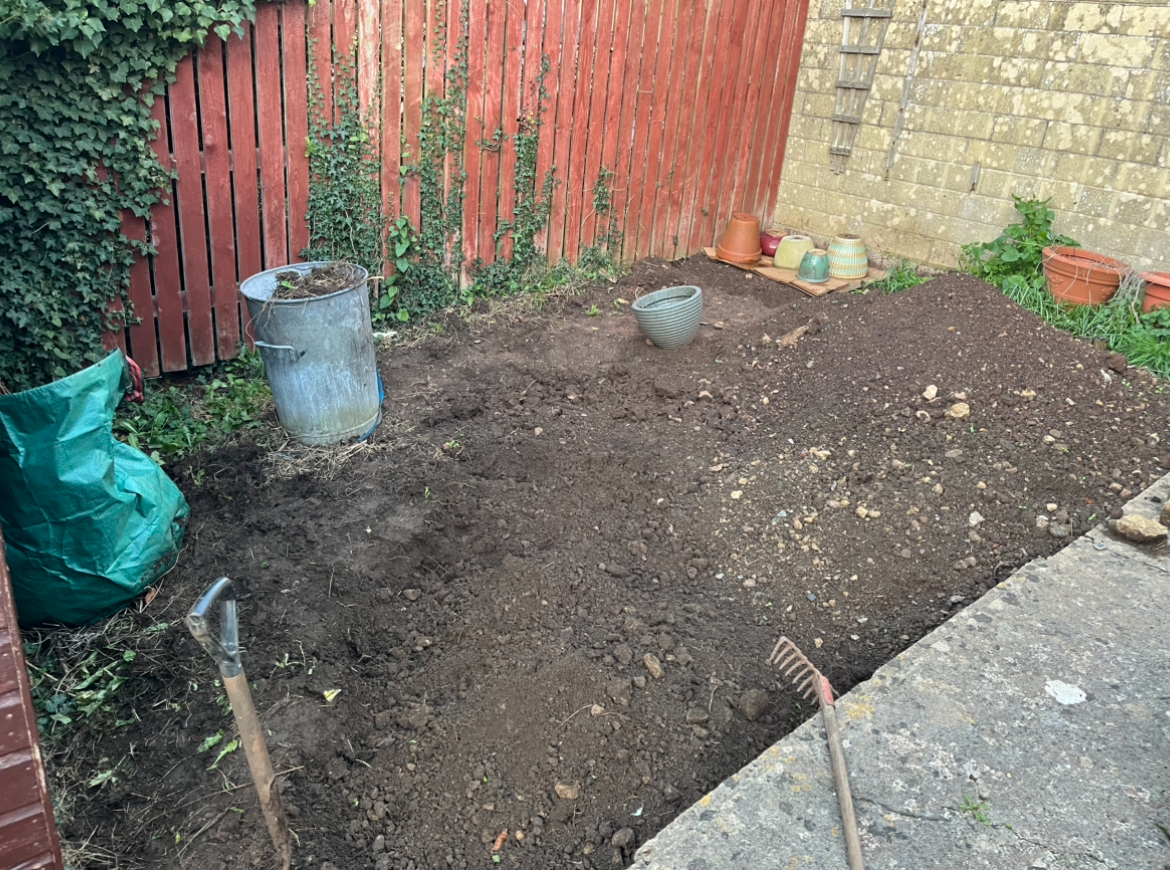
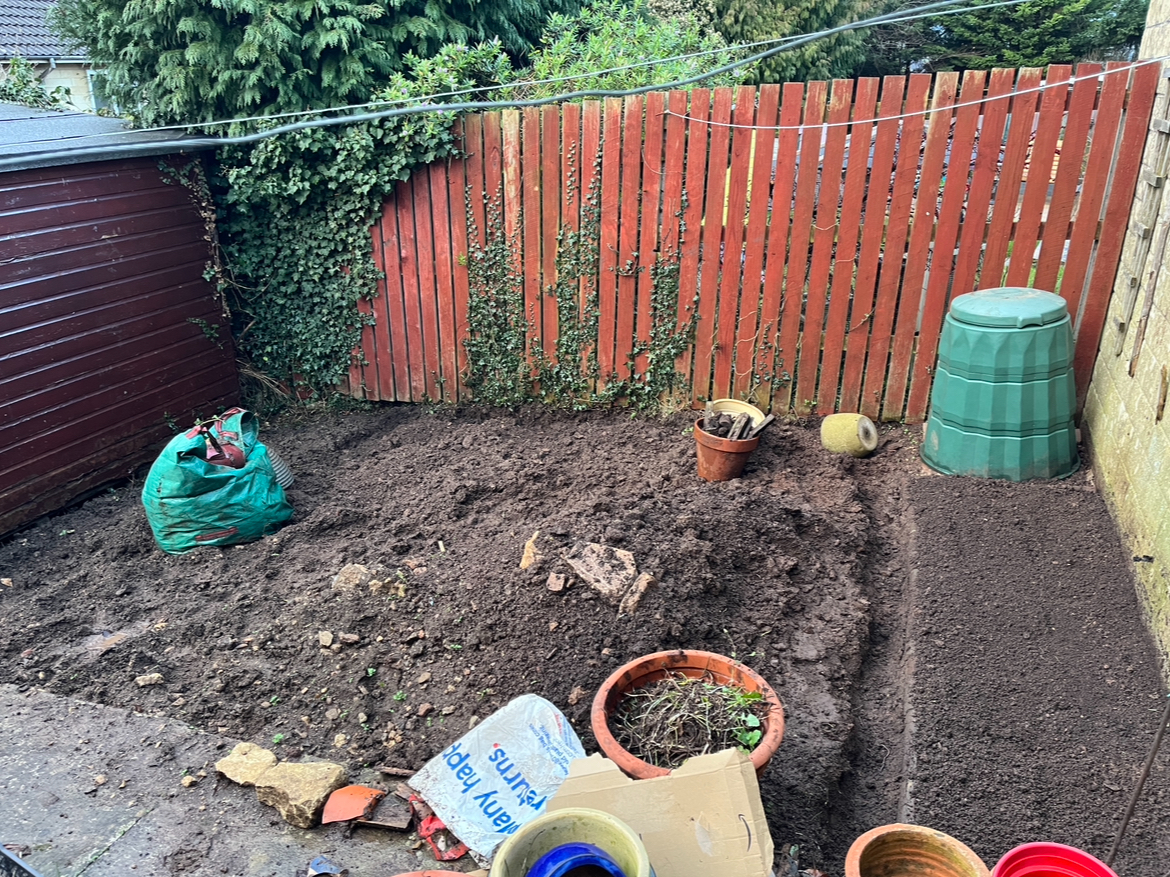
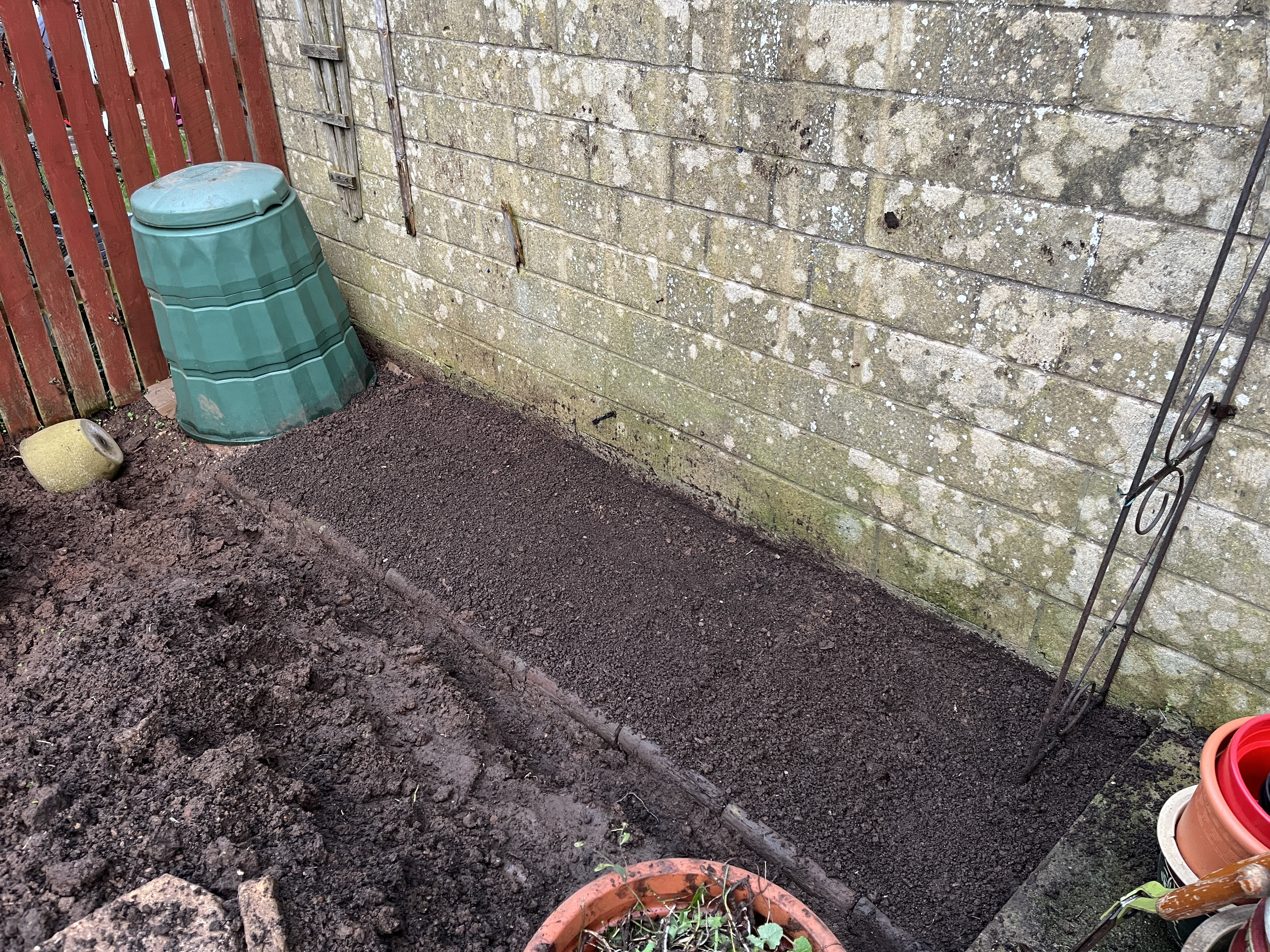
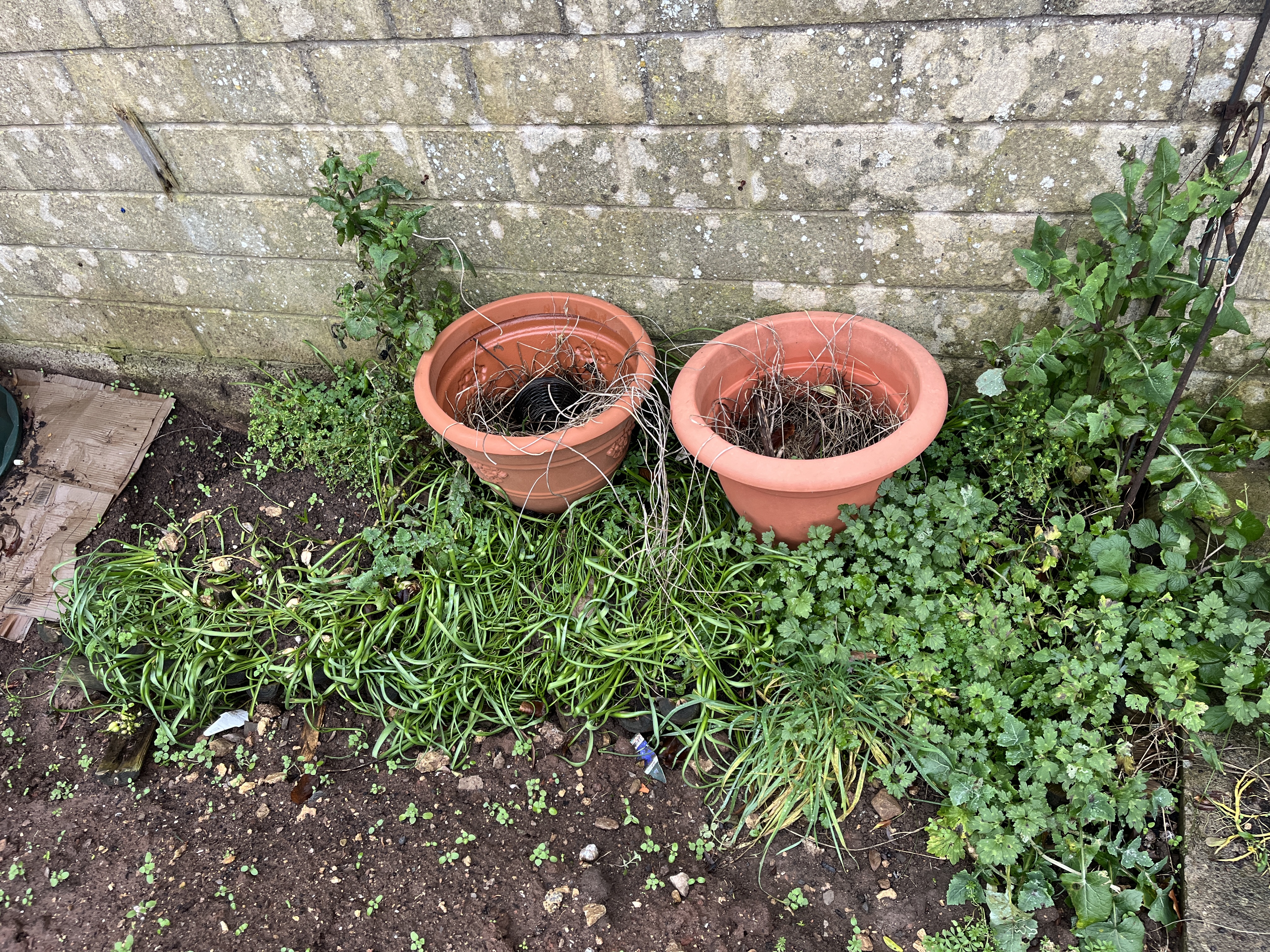
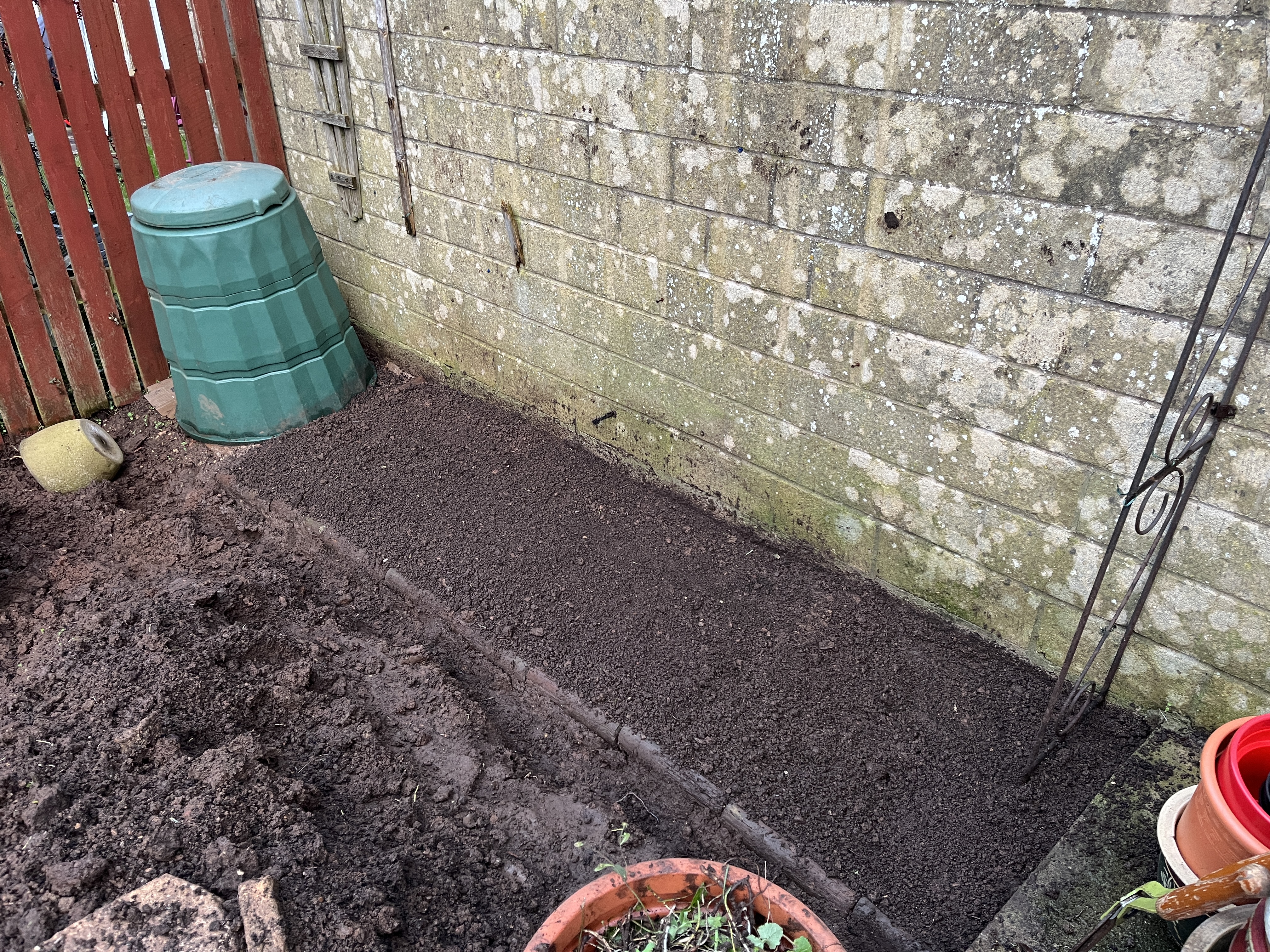
For anyone new here, let me share the journey the top corner of our garden has taken. What used to be a bindweed-ridden patch of grass slowly turned into something resembling a much muddier scene from Holes, before eventually becoming home to a compost bin, the beginnings of a flower bed, and now three wooden veg boxes. It’s been quite the transformation.
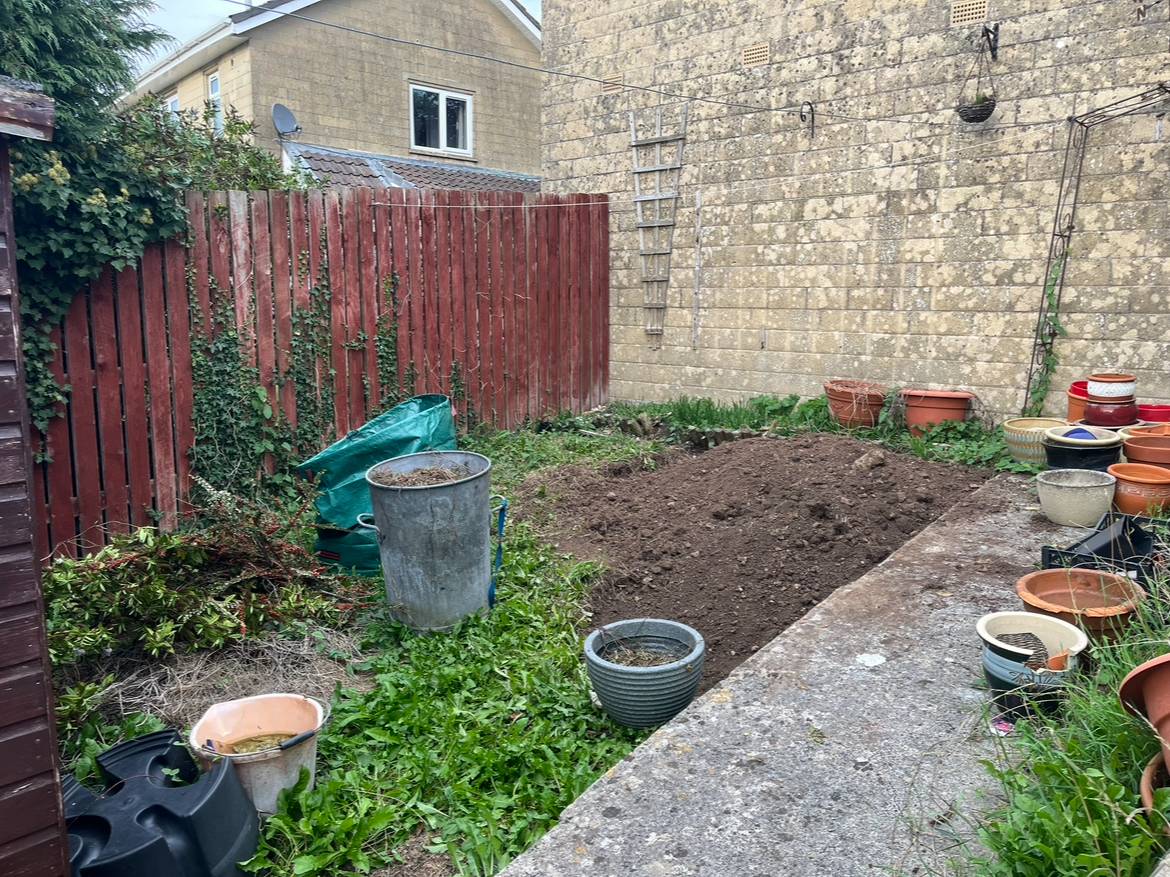
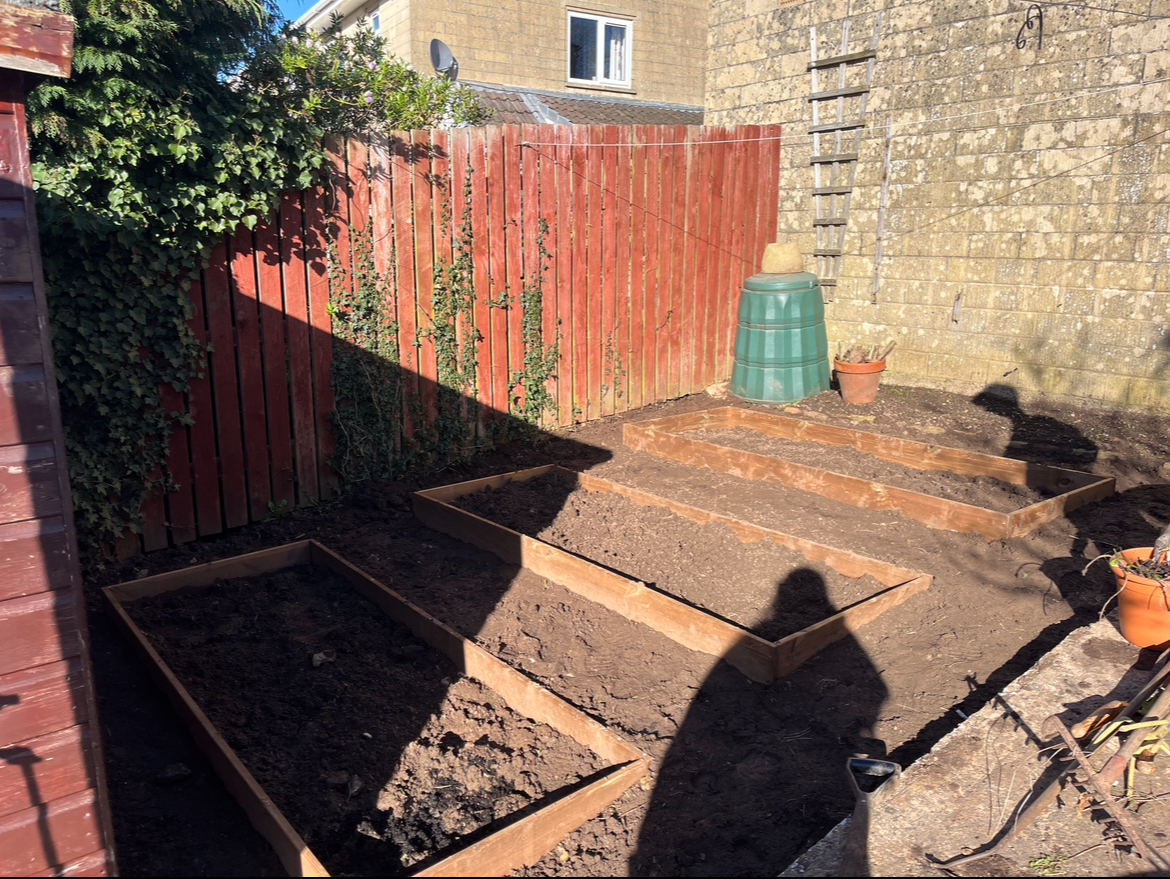
Drag to see the before and after!

Clearing the ground 

It all started in the last week of September 2025 (oh wow, how time flies!). Shem and I began our digging journey on the weed ridden area. I had considered doing the no-dig method but we wanted to be ready to grow vegetables in the coming spring 2026. From what I’ve heard, the no-dig method takes a while – especially when you’re dealing with stubborn weeds like bindweed and dandelions!

We also had no idea what we were doing, really. There were many moments when I was standing in the deep mess I had just dug, wondering if we had been rather incompetent in our approach. 

However, I’m a big believer of the best way to learn is by doing – and that often includes mistakes too. I’m sure we will look back at this first experience of gardening and laugh at ourselves though.

Anyway, after lots and lots of digging – and lots and lots of pulling of roots – we finally started to get somewhere.  

Planning our veg boxes

When building a vegetable patch, it’s important to think about space and layout. We wanted the veg boxes to be practical to work with, but also fit nicely into the corner without making the space feel cramped.

Shem has been the mastermind behind this planning really. He’s a numbers man, and has a great eye for detail. Here’s a little snap of his plan:
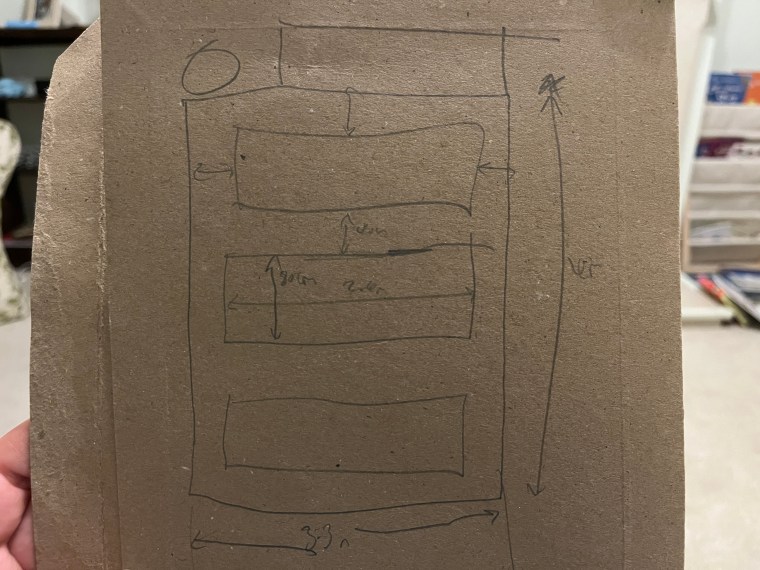
To translate the picture above, the plot is 4m x 3.3m. Each veg box is 2.2m x 80cm. We have also built a footpath around the veg boxes (which will be a wood chip path) of 40-50cm all the way around. Also, our garden is on a slope so each veg box is slightly platformed. 

Why we chose veg boxes

Ok, so I keep calling them veg boxes but they’re technically not. We wanted to start simple so rather than investing in raised beds or pre-made structures, we went for DIY wooden veg boxes on the ground. 

Essentially, they are planks of wood that Shem screwed together to create neat planting areas – something to contain the soil, define the space, and keep our veg organised.

There were a few reasons for this approach:

  1. Cost-effective – Using basic planks meant we could create multiple boxes without spending a fortune.
  2. Aesthetics – I quite like the look of borders around veg patches, and it makes everything feel neat and tidy.
  3. Control over soil – Even though the boxes are on the ground, they help keep the soil contained and make it easier to add compost or mulch.
  4. Beginner-friendly – As first-time gardeners, this was a manageable way to get started without feeling overwhelmed.

The idea is that the veg boxes will give a clear structure to the top corner of our garden and set us up nicely for when we start planting.

Positioning the boxes

I can’t say that I had much to do with actually getting the boxes in – that was all Shem. Thanks to such great planning beforehand, it was quite straightforward to do. 

The biggest challenge, apparently, was shifting lots of soil to create the small platforms for each box. Our garden sits on a slope, so a bit of levelling was needed to make sure everything sat properly.

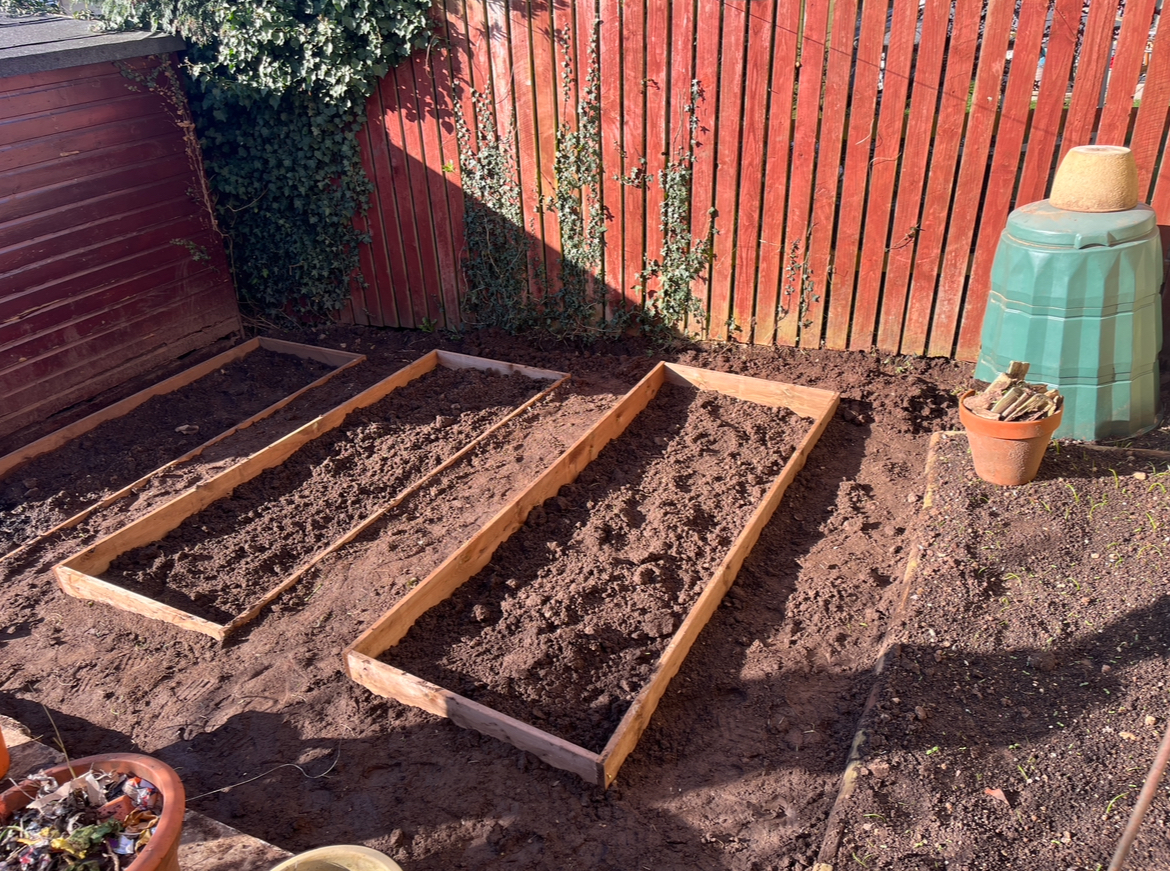
Once the frames were in a couple of layers of cardboard were laid down to kill off any leftover weeds and then topped with some soil. 

So… what happens next?

Although I can finally look at the top of the garden and say “wow, this is actually starting to look like a vegetable garden”, we are far from finished. 

Next up, we need to:

  • Fill the boxes with compost and prepare the soil
  • Make final decisions on what vegetables we’ll grow (I’m thinking we should start simple)
  • Plan out our veg boxes and where each vegetable should grow
  • Actually plant something – and hope it survives!

But for now, our veg boxes are just sat there empty, waiting patiently.

And Shem and I are basking in the joy of what feels like a finished job but is really just the beginning of our growing journey. 

The proof is in the pudding! (Well, veg patch)
Follow my gardening journey…

If you’re a fellow beginner, a curious onlooker, or someone who just enjoys watching seeds (hopefully) turn into food – you can subscribe below and join me on this gardening adventure.
Diary of a Clueless Gardener: An Overdue Garden Update


Okey dokey, we’re at a pretty good point! 

I’ve been rather absent from this blog recently. Life’s been busy and I figured I should spend any spare time gardening, rather than writing about gardening! 

Well, that’s just what we’ve been doing, and we’ve made some good progress. The top corner of our little garden is really getting there. We have a compost bin in the corner, a flower bed at the top, and two out of three veg boxes in place! (See pictures at the bottom of this post). 

We’re now at a stage where the space is prepped and we want to get growing… but I feel a little scared. I feel like I’m missing a stage. 

So I’m here to give a quick update on the garden and think out loud about what to tackle next. For now, I’m just focusing on the flower bed. The final veg box is coming soon, so stay tuned to hear how we approach that too.

Clearing the chaos

There was already a flower bed at the top of our garden. It was overgrown and riddled with bindweed, but there were also some lovely flowers that popped up last spring / summer time. 

However, and I’m still not sure this was the right thing to do, we purged the ground. We dug deep and removed everything to start completely afresh, then levelled the soil and built a new border using blocks from the old wooden edging. And I must say, it’s looking rather nice!

Drag to see the before and after of our flower bed!

From what I’ve researched (and the fact there was already one here before), this seems like a good location for a flower bed. It gets sun for much of the day and sits against a wall, so it’s sheltered from strong winds – hopefully preventing taller plants from toppling over.

The floral plan (in theory)

I’ve managed to collect a few different types of flower seeds. Our Gardener’s World magazines have all come with a packet, and so far, we’ve received: 

Delphiniums – some of my favourites, as they remind me of my wedding bouquet – I’m very excited about these ones! I’ve already sown these in pots in the conservatory and I’m (impatiently) waiting for them to germinate.

‘Red Midgets’ – low maintenance, self-seeding perennials, which feels perfect for a first-time grower who isn’t particularly disciplined in caring for plants yet. 

Daras – I wouldn’t call these the prettiest of flowers but the packet says they are ‘pollinator magnets’ and great for wildlife in the garden – so that’s always a win. 

I was also given sweet peas, De Caen anemone mix and Blanda anemone mix for my birthday, so plenty to experiment with! I would also really love some lavender in there too but I’m thinking of buying a part-grown pot of this to transfer in (any advice around this would be appreciated!). 

The missing piece

So we have beds prepared, and seeds ready to plant. However, in a brief conversation with someone at church, they mentioned preparing soil… which I have no clue about. 

But to prevent this post from being super long, and to give me a bit more time to do a deep dive into soil preparation, I’ll leave it here for now. Just a little update on our garden, and a sneak peek into some of the flowers we’re hoping to grow. 

There’s so much to learn on this gardening journey. Some days I feel far away from having a functioning garden, and other days it feels so tangibly close. 

I just hope that I’m implementing all that I’m learning well. It’s been 10 days since I planted the delphinium seeds, and there’s no sign of life so far – I hope they show up soon! 

See, some good progress…

Spoiler alert: I’ll post progress pictures for this little corner when all of the veg boxes are in!

Follow my gardening journey…

If you’re a fellow beginner, a curious onlooker, or someone who just enjoys watching seeds (hopefully) turn into food – you can subscribe below and join me on this gardening adventure.
Diary of a Clueless Gardener: Ready, Steady, Sow! (Starting Seeds Indoors for the First Time)


Spring is getting closer and closer and, although our veg patches aren’t quite ready yet, it’s about time we started thinking seriously about growing our own vegetables. Thankfully, even though the weather has been particularly ghastly recently, this is a step that can be started indoors.

It’s time to start sowing some seeds!

But I’m coming at this with completely fresh eyes – I’m a real blank canvas when it comes to knowing how to go about it. The only vegetable seeds I’ve ever sown from seed were cress in Year 5 at primary school.

I had briefly considered buying already-grown vegetable plants and simply planting them out when the time was right. However, after reading this month’s edition of Gardeners’ World, and seeing Monty Don speak rather excitedly about growing veg from the very beginning and watching a seedling emerge, I was convinced to give it a go.

I’ve been doing lots of reading and research around sowing seeds, and there’s a lot of information out there. Even after getting to grips with the basics, I still found myself with plenty of questions. So I thought the best way to process it all was to write about it – and hopefully, if anyone else is asking similar things, there might be some helpful answers here too.

I’ll be sharing updates as I go, documenting what works, what doesn’t, and everything I learn along the way – so if you’re interested in sowing seeds for the first time too, you’re very welcome to follow along.

Seed sowing basics (as I understand them, anyway)

  1. Decide on your plants and buy the seeds. 
  2. Sow all tender plants indoors, while more robust ones can be sown directly into the ground outside.
  3. For indoor sowing, find a warm and sunny space to grow your seedlings.
  4. Fill a seed tray or pot with peat-free compost and thinly sow seeds on the surface.
  5. Gently soak the compost with water, being careful not to dislodge the seeds. 
  6. Cover with a clear plastic bag or lid
  7. Label pots with the plant name and date
  8. Leave to germinate

What sowing seeds looks like for my garden

As it’s our first time, I want to start with some simple-to-grow vegetables, while also choosing ones we eat regularly. We’re going to attempt to grow: carrots, beetroot, spring onions, spinach, lettuce, courgettes, broad beans and potatoes (and perhaps some herbs and strawberries).

Most of these are best sown into the ground outside. However, I would quite like to properly learn the process of growing from seed so I’m going to get a head start on some lettuce and spinach and begin sowing them indoors. Learning to sow indoors will hopefully be a useful skill to adopt so I’m just going to see this as good practice. 

Courgettes are best started indoors as they are more delicate and therefore sensitive to the cold. I think I’ll still try to sow these from seed and can always buy an already sown plant ready to put in the ground once the weather is a little warmer.

So that I don’t complicate this post, or make it too long, I’ll just focus on indoor sowing for now and can think about the outdoor sowing further down the line – once the weather is right, and when our veg patches are ready! 

My shopping list for indoor sowing

  • Seeds
  • Peat-free compost
  • Seed sowing pots / trays (I’m going to try using toilet roll holders too, because apparently that works!)
  • Plant labels 
  • Dibber 

Beginner questions about sowing seeds

Even after all this reading, I still had a few unanswered questions: 

  • How often should you water newly sown seeds?
  • Where’s the best place to keep seed trays before and after germination?
  • How long does germination usually take? 
  • When is a seedling ready to be planted out?

So I did some further, more specific reading around these!

How often should you water newly sown seeds?

Surprisingly, it took a while to find a straightforward answer to this. In short, the pots should be checked daily and gently watered (perhaps with a spray bottle) as needed. The general advice is to keep the soil damp – moist, but not soggy. Putting a clear plastic cover over the pot should help retain moisture. 

Where’s the best place to keep seed trays before and after germination?

The obvious answer to this is somewhere with sunlight, which would be our conservatory. However, when it’s almost February and we have rather cold weather, this would not be suitable because the germination period needs heat. One option is to use a propagator or heated mat but I would like to keep things simple for now. 

An article titled The Beginner’s No-Fail Guide to Starting Seeds Indoors offered a helpful insight into this. It points out that sunlight isn’t essential at the very beginning of the germinating process so suggested putting seed trays in a warm room for the beginning part. As soon as there’s any sign of germination, they must be moved to sunlight to prevent leggy, weak growth. 

How long does seed germination take?

This question actually only dawned on me as I was writing this post. I think because I mentioned “germination” so often, I realised I wasn’t actually sure where it began and ended!

Of course, it’s not a one size fits all situation, germination time varies depending on the plant. For most vegetables it can take anywhere from a few days to a couple of weeks. Salad leaves like lettuce and spinach are fairly speedy and can show signs of life in around 7–14 days, while others are happy to keep you waiting a little longer. 

Apparently, you’ll know a seed has germinated when you see the very first green shoot pushing its way up through the compost. These first leaves aren’t the “real” leaves of the plant yet – they’re called seed leaves – but they’re a very reassuring sign that something is happening below the surface. Until that point, it’s mostly a waiting game (and an exercise in patience).

When is a seedling ready to be planted out?

I’d assumed that once a seed had germinated and grown a bit, it could pretty much go straight from the seed tray into the veg patch. It turns out there’s a small (but important) middle step. 

After germination, seedlings need time indoors to grow stronger. I’ll need to look out for their ‘true leaves’ – these appear after the initial seed leaves and look more like the actual plant. 

But even then, most seedlings aren’t quite ready for the garden yet. Before planting them into the veg patch, they need to be hardened off. This means gradually introducing them to outdoor conditions by putting them outside for short periods each day and slowly increasing the time over about a week. 

Once seedlings have several true leaves, have been hardened off, and there’s no risk of frost, they’re ready to be planted in the ground. 

So it’s not quite from seed tray to soil straight away, there’s more of a gentle transition that helps the plants survive (and hopefully thrive).


Okey doke, there we have it – I’m ready to buy my shopping list and have a slightly better understanding of what I’m actually doing. Next up is putting all this reading into practice and seeing whether anything green decides to show up. 

I’m fully expecting a bit of trial and error along the way, but that’s part of the fun (I hope). If you’re also new to sowing, or if you’re a seasoned grower with wisdom to share, I’d love to hear from you. I’ll keep sharing updates as we go – how exciting! 

Photo by Markus Spiske on Unsplash

Follow my gardening journey…

If you’re a fellow beginner, a curious onlooker, or someone who just enjoys watching seeds (hopefully) turn into food – you can subscribe below and join me on this gardening adventure.
Diary of a clueless gardener: A muddy cure for a bad day


Well, it’s been a hot minute since I’ve posted on here. In all honesty, it’s been a hot minute since I’ve been out in the garden too.

But I’m delighted to share that I did manage to get out and enjoy a sunny afternoon in the garden on Wednesday.

We’re still on the de-weeding mission – slowly but surely clearing the first section of what will hopefully become the veg patch. It feels like a very slow process, and I have to remind myself not to be discouraged. Realistically, we’ve only been able to get outside in short bursts: during Shem’s lunch break or when Evalina’s napping in the afternoon.

I’m very much looking forward to longer days and lighter evenings, when we can get stuck in together without competing with daylight.

And, by the way – if you’re wondering who Evalina is – she’s our little girl, and she just turned six months old!

A bad morning, a brighter afternoon 

Wednesday started as one of those days. The kind where everything seems to take twice as long and go half as well. Nothing dramatic, but everything was just… off. That slow morning meant we arrived very late to a baby class, only to discover the elevators were out of order, which meant not actually going in at all. Then to top it all off, I somehow lost the parking ticket I needed to leave the car park. Classic.

It was one of those frustrating mornings where you just want to hit reset and start again.

However, it was a sunny day and when Evalina went down for her nap, I knew exactly what I needed… an afternoon in the mud!

The joy of gardening

There’s something about being outside, breathing fresh air, digging up weeds, and letting your worries drift away. Whilst gardening, I was thinking about writing this post and wondered if there was some sort of philosophical reflection or some cheesy thing like that brewing. 

But honestly? When I stopped to ask myself what I was actually thinking about… it was nothing.

And I mean that in the loveliest way.

I realised how much joy I found in not thinking. Not calculating when Evalina last ate, not stressing about the dirty dishes still in the sink, or replaying the morning’s frustrations. Instead I just found joy in digging. Using my hands, keeping an eye out for roots and feeling strangely victorious each time I pulled one up.

Sometimes joy doesn’t come from thinking deeply – it comes from giving your brain a moment to switch off.

And on Wednesday afternoon, that simple, muddy, quiet joy was exactly what I needed.

I almost forgot!!

When I first went out into the garden, the bad morning had tried to follow me. I excitedly went to check on my new compost bin only to find a pile of vegetable scraps and leaves… and the compost bin itself a few metres away!

So if this has happened to you before, or if you have any tips on compost bins not flying away, please let me know. (See my quick fix in the pictures below)

An update on our digging:

  • Author looking happy in the garden
  • Garden update (angle 1)
  • A compost bin with an upside down plantpot on the lid.
  • Garden update (angle 2)
  • Garden update (angle 3)

Diary of a clueless gardener: Starting a compost bin from scratch


I’m finally at the point of having my very own compost bin! 

It might sound a bit funny, but I’ve been wanting my own compost bin for years. I love the idea of taking waste and putting it to good use – to create organic, high-quality soil that will help me grow nutrient-rich food. It’s like recycling… but for vegetables!

Before starting a compost bin, I asked myself three questions: 

  1. Where should I put a compost bin?
  2. What shall I put in my compost? 
  3. How long does it take to make compost?

To answer these questions, I watched videos, read online articles, and even read through the composting section of the RHS book I bought Shem for his birthday – How to Garden: When you’re new to gardening. Here’s what I’ve learnt while preparing to start a compost bin from scratch. 

Where should I put a compost bin? 

When deciding where to put our compost bin, we wanted it close to our soon-to-be veg patch and somewhere easily accessible. 

My research pointed to two other helpful considerations: placing the bin at the top of a slope for better drainage, and choosing a spot that gets some sunlight (to help the bin warm up) without giving up precious growing space.

There is a range of bins to choose from when making compost. The main ones being:

  • Circular plastic ones – cost-effective and great for small spaces
  • Larger wooden ones – environmentally friendly, but more expensive
  • DIY options – in his Simple Guide to Composting video, Huw Richards offers a very simple homemade compost bin using pallets

The house we bought came with a compost bin already in the garden, and it seems to be in good condition. It’s one of the standard stationary plastic ones. Ideally, I’d love to build a wooden bin one day, but for now – given our limited space and my dislike of waste – the plastic bin wins.

What shall I put in my compost?  

The key thing when thinking about ingredients for compost is that you have your greens and browns. The greens heat up the heap, which is key for making compost, and the browns help reduce bad odours, prevent pests and stop the compost from becoming too slimy.

But once you know the “greens” and “browns” rule, composting suddenly feels much simpler.

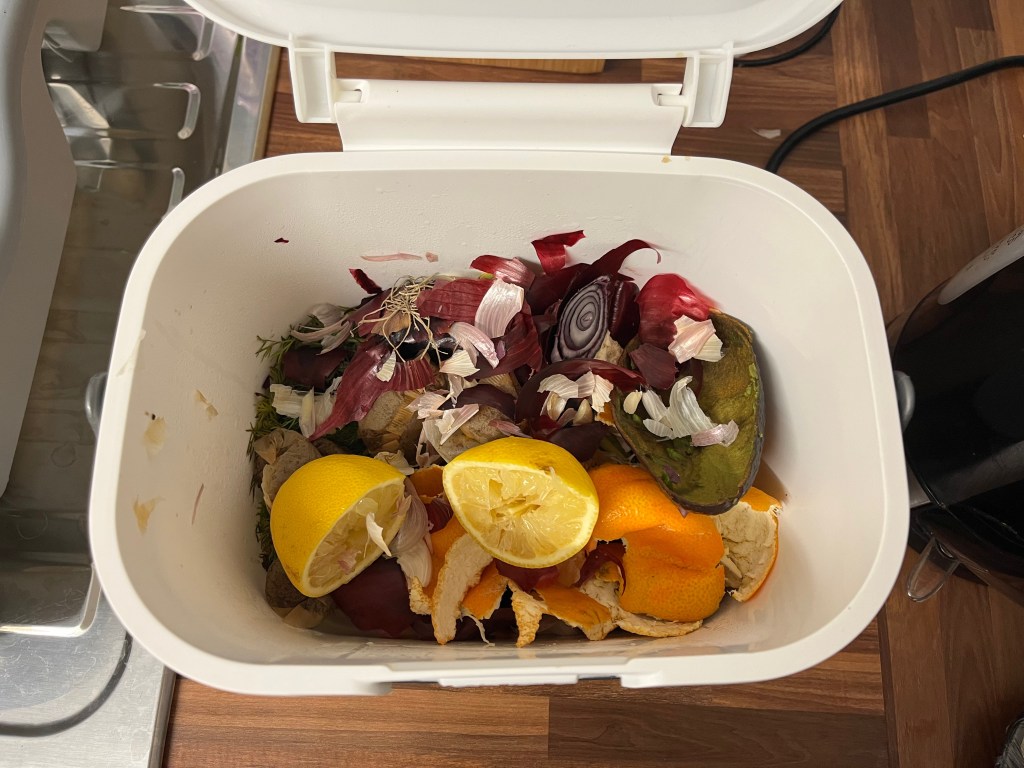
Greens are fresh materials and release nitrogen – so this would be your veg waste, grass clippings, coffee granules, or even animal manure. 

A picture of various kitchen waste greens ready for the compost bin

Browns are dry materials full of carbon – such as cardboard, leaves, paper, sawdust. 

As it’s autumn, I had planned to go and gather lots of leaves from a street down the road from me. By happy coincidence, on the day I planned my leaf-collecting mission, I walked straight into two council workers clearing the exact path I had in mind. At first I kicked myself for not going sooner… and then I realised they were actually saving me a job. So I asked if I could have a bag of leaves -and they very kindly agreed!

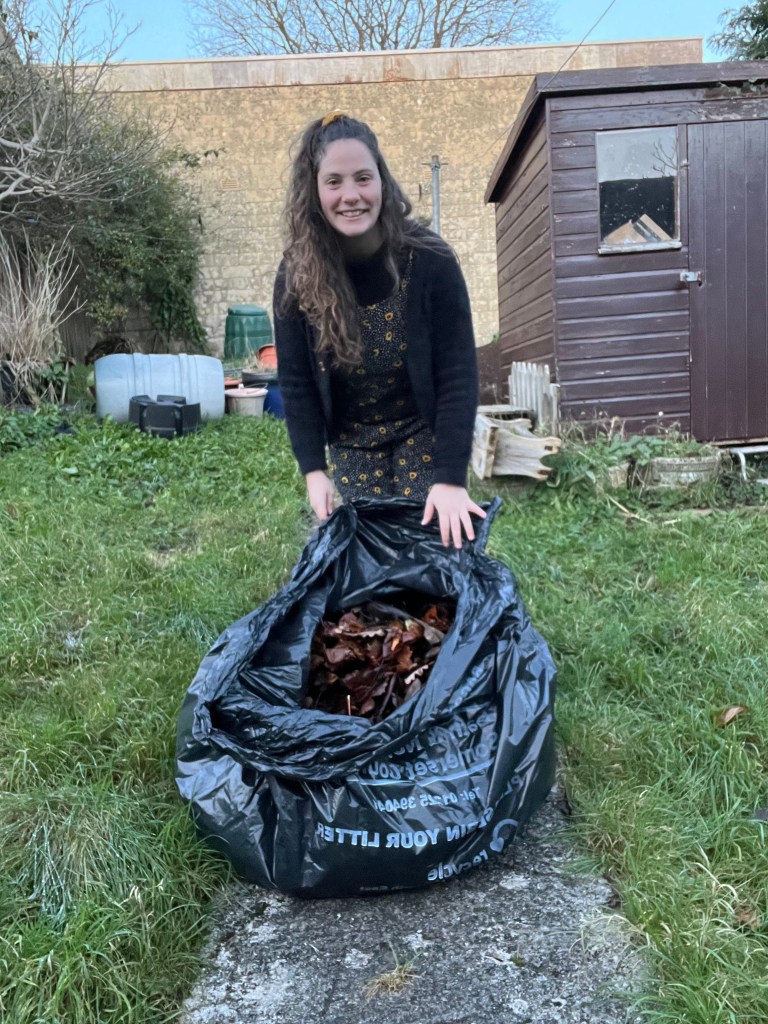
Author, Poppy, showing the bag of leaves given to her by the road workers.

When thinking about what not to put in your compost, Better Homes and Gardens has put together a very helpful list.

Now there seems to be some conflicting information about the ratio of how much of each you put in. In the video mentioned earlier, Huw Richards suggested a browns-to-greens ratio of 2:1. However, in GrowVeg’s video, The Ultimate Compost Masterclass with Charles Dowding, it’s recommended to use three parts green and one part brown. 

Two very conflicting pieces of information there! 

So I sought help from other articles too. Although some more mixed views, there seems to be a lot of people suggesting a browns-to-greens ratio of 3:1 – including The Spruce and RHS.

My granny recommended Huw Richards so I’m going to take his advice and start with a browns-to-greens ratio of 2:1. Furthermore, because it’s winter, not having too many browns will mean that the compost heap will heat up more. 

How long does it take to make compost? 

Most sources say compost takes around 12 months to mature. Turning the heap once or twice a month can speed things up by adding oxygen and mixing the materials.

Either way, monitoring the heap seems beneficial. The ratio might need adjusting depending on the weather, the smell, and how warm the heap feels – if it isn’t heating up much, adding extra greens (nitrogen-rich material) can help.

Overall, it looks like this compost won’t be ready for spring when I plan to start my planting. But it will be great mulch to add to my (hopefully thriving) veg patches at the end of next summer. How exciting! 

______________

Learning about the process of compost has put things into perspective for me. Gardening is a slow process. You put in time and effort long before you see any results. But it’s so exciting to be starting our garden and to be sharing our learning and progress with you all.

If you’ve started composting yourself – or if you’re miles ahead of me and already have a thriving heap – I’d love to hear what you’ve learned along the way. What’s worked for you? What mistakes did you make early on?

And if you’re also a clueless-but-keen beginner like me, feel free to follow along as I muddle my way through this gardening adventure. Here’s to slow, steady progress and soil that’s (eventually!) worth the wait…
Diary of a clueless gardener: My 5 reasons to get gardening


I’m starting to think October might not have been the best month to begin a gardening project…

Between the busyness of life – my husband working full-time, having a four month old baby and the house being hit by a wave of seasonal colds – it’s been difficult to get out in the garden recently. I’m all too aware that winter is looming, and the ground will start freezing before we know it, making the task of digging up a large patch of lawn rather difficult! 

So, in order to give myself a bit of a kick up the bum, I thought I’d reflect on all the wonderful reasons to get out in the garden – whatever the weather! 

One of my life mottos has always been: you make time for the things you care about. So, maybe reminding myself of the “whys” behind our gardening project will help me make a little more time to get digging again. 

Creating a happy place 

For the last 5 years of living in Bath, I’ve longed for my own outside space. Somewhere I can make my own, a place to sit in the sun with a cup of tea and a good book. Finally, I have this space, and I don’t want to waste it! 

Plus, now with a little one who will grow up in this garden, I’m excited to make memories out there – having tea parties, teaching her how to grow food, and picking and smelling flowers together. 

Right now this does seem like a little bit of a pipe dream – but for now, every bit of digging, clearing and de-weeding is a step closer! 

The pull of a project

I don’t know about you but I thrive off of having an ongoing project. Something positive and productive to fill my spare time with. It’s especially wonderful when it’s a tangible project, something you can see progress with – and gardening is perfect for this. 

I also love finding projects that I can do alongside my husband. Working alongside each other seems to strengthen our relationship, and reminds us what a great team we are (most the time anyway)! 

Happy, healthy soil 

Did you know getting your hands dirty is good for both your mind and body?

The microbes in soil produce serotonin (our happy hormone), and exposure to them makes our gut microbiome more diverse – improving our digestion, immunity and overall health. Definitely a good way to start preparing for the winter and the seasonal colds that seem to spread so easily!

Plus, according to the RHS, “There’s research showing that exposure to soil, especially in early childhood, can improve immune markers and reduce rates of asthma and allergies.” Learning this today gives my fond childhood memories of mud fights in the woods an even greater appreciation. 

A dose of fresh air

I’m really not much of a winter person, and I often find myself feeling quite low during those darker months. As the days get shorter and the cold sets in, I tend to leave the house less and less.

The lack of fresh air and Vitamin D, and a generally gloomy outlook all add to that seasonal downness I feel. I’m hoping that by having a project to focus on – and a garden to love and care for – I’ll find more reasons to get outside this winter and embrace the cold but fresh air. 

Accountability – that’s you!

Now that I’ve started writing about this gardening adventure, it means I actually need to see it through. Honestly, this is one of the reasons I wanted to share this journey.

I hope that you’ll enjoy watching the progress, and hopefully pick up some helpful tips along the way. But I am also a stickler for accountability so, dear readers, please do follow along with this journey, keep me accountable when I start to slip, and share your own advice as I go! 

Well, that was helpful, some reminders to hold on to when the weather’s grey and life’s to-do list is long. What are your gardening motivations? What gets you outside with your hands in the soil? Feel free to just ponder, or let me know – I’d love to hear what inspires you. 

Alternatively, if you haven’t ever embarked on your own gardening journey – what’s holding you back? 

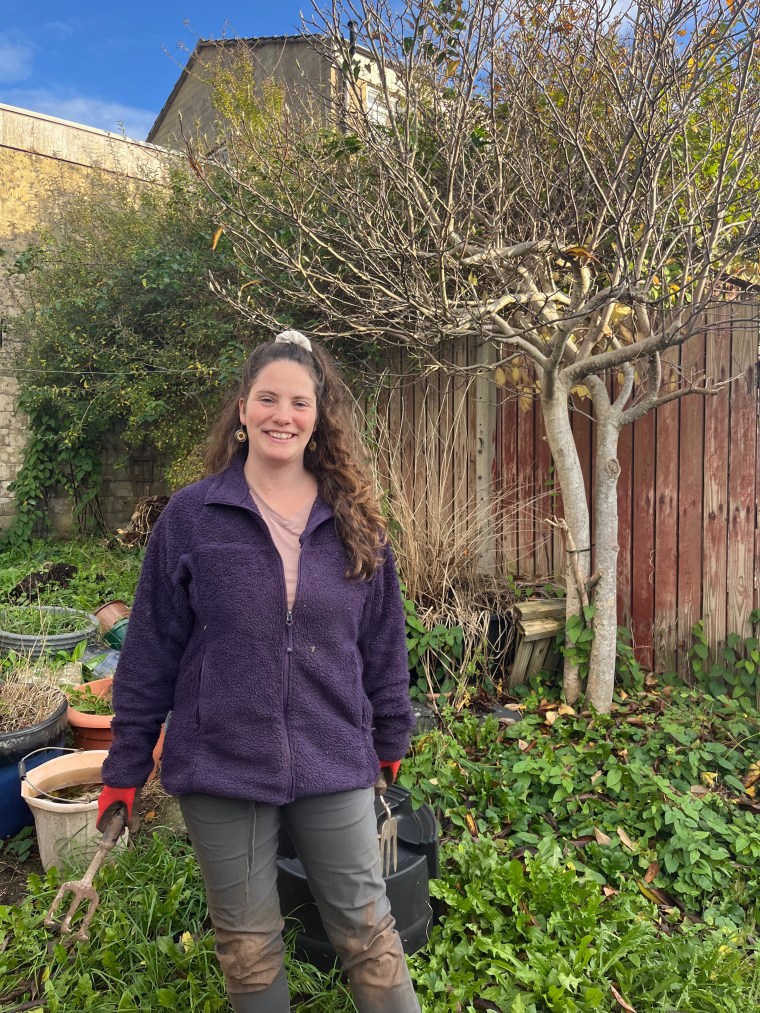
  • Poppy (writer of the blog) in her garden

Personal Investigation Summary Brief

For this personal investigation, I have decided to expand my knowledge on how wildlife is  protected in Africa. I grew up often going to Africa and climbed the continent’s highest  mountain when I was 15 years old, so this topic is something that is close to my heart. My  initial thought on this project was to investigate the ivory trade and the effect this has had on  today’s population of elephants. I had recently watched a film called Holiday in the Wild and  was captivated learning about elephant sanctuaries and the work that they do. However, an  interesting conversation with a gentleman from Sudan sparked a change of direction in my  approach to this project. He said that the key to change was the education of poachers and  civilians in African countries. Many people in these countries are living in poverty and their  only source of income often means harming African wildlife. He believes that people need to  be taught the importance of these creatures and that keeping them alive would create more  money within their communities.  

My first source is a book called An African Love Story. The author of this book is Daphne  Sheldrick who is part of the David Sheldrick Wildlife Trust, which featured on a 2007 BBC  programme, Elephant Diaries. I started this book with the intention to learn about elephants,  their behaviours and how orphaned elephants are saved and released back into the wild to  conserve their population. However, as well as these insights, the book revealed much more  to me. The book takes you through Sheldrick’s life, from her great grandparents migrating  from South Africa to Kenya during the colonisation of Africa, to herself being born in Kenya  and growing up with regular adventures amongst Kenyan wildlife, to her and David  Sheldrick’s amazing work protecting wildlife and fighting poachers. As this source is a  narrative, there is a risk of unreliability as stories may be exaggerated to give greater effect.  Even so, it has given me a profound understanding of life in Kenya during the 20th Century,  the perspective of the people living there and how the poaching and hunting of Africa’s  wildlife developed. A passage of the book that sums this up perfectly is when Sheldrick  (2013, p.7) is talking of “how lightly my ancestors shot at animals” and explains, “Everywhere  there was wildlife … At the time no one ever imagined that any amount of shooting could  devastate the stocks of wild game, let alone all but eliminate it”.  

The historical context offered in the book sparked an interest into the effect that the  development of African countries has had on its wildlife. This led me to watch a range of  TED Talks on the conservation of African wildlife. Talks by Lucy King, Jane Goodall and  Moreangels Mbizah focused on community-led projects that endeavoured to keep peace  between wildlife and surrounding communities. These videos re-iterate my Sudanese  friend’s message, about the importance of education and working with people within  surrounding communities in order to conserve African wildlife. This source has given me  insight into the different projects that have ran or are still in place, for example: Okango  Wilderness Project, awareness and education projects in local communities, Elephants and  Bees, TACARE and Roots and Shoots. It is hard to tell from the videos how effective these  projects are, however, Goodall (2007, 14:33) seems adamant that once projects like  TACARE have helped towards “improving the lives of the people living around” animal  conservation parks, “they began to understand evermore the need for conservation”. After  watching these videos, I researched the speakers and the projects they talked about.  

This brings me to my next source, a comprehensive Beehive Fence Construction Manual, developed by Dr Lucy King in accordance with her Elephants and Bees project. The manual  gives detailed information on elephants and their relationship with people; the construction  and maintenance of beehives and fences; and beekeeping, including pests and parasites to  look out for. This source revealed to me a new perspective to this investigation. While we  often focus on the idea that poachers are the reason for the decrease in elephant  population, King’s manual (2019, p.5) talks of the conflicts between people in local  communities and elephants in surrounding areas, it tells us that “unfortunately both people  and elephants are sometimes killed due to conflict over resources.” The manual’s main aim  is to combat the conflicts between Kenyan farmers and elephants in a natural and humane way that will help to conserve the elephant population. I was drawn to this source as it has  such a wide range of information and is set out in a clear and coherent way that is easy to  understand and follow.  

Tanzania is renowned for its conservation of wildlife. To acquire a greater knowledge of how  the country protects its animals, I have spoken to an Expedition and Safari Co-Ordinator and  some of the safari guides from a Tanzanian tourism company, Team Kilimanjaro. I was  worried that their feedback may be biased, but they gave me lots of useful information and  even spoke about challenges the country still faces. Tanzania is made up of many National  Parks, and fees paid by tourists to access these places go towards looking after wildlife,  including in surrounding areas. Edgar (2020) highlighted the importance of “education on  people living near National Parks” – a recurring theme throughout this investigation. New  aspects have also been highlighted. Firstly, the Tanzanian government are involved in the  protection of the country’s wildlife and Edgar (2020) shared with me that they have put in  place “tough punishment to those who disagree” with the rules. Secondly, Edgar (2020) also  called to attention the issue that many “people living near animals environment used to do  poaching” as a living. National Parks have been instrumental in offering education, projects  and, most importantly, employment to students in surrounding communities. Maasa (2020)  claimed that offering these people employment minimises the number of poachers and these  same workers are also teaching villagers “the benefits of sustainable wildlife”. Screenshots  of these Whatsapp conversations can be found at the end of this report.  

I have thoroughly enjoyed investigating this issue. The sources I have used have given a  variety of different aspects and perspectives of the topic. I feel I started this project with quite  a narrow-minded view of African wildlife conservation and only thought of things from a  poaching aspect. However, I think I now have a broad view on the topic and have learnt  about the many aspects that come into play when discussing the complex conversation of  protecting African wildlife.

Bibliography

Anwer. (2020) Conversation with Poppy Evans, 8th March. 

Dr Lucy King [TED Talks] (2019) How bees can keep the peace between elephants and  humans. December. Available here (Accessed: 25/04/2020). 

Edgar, I. (2020) WhatsApp to Poppy Evans, 9th April. 

Evans, A. (2020) Telephone conversation with Poppy Evans, 5th April. 

Holiday in the Wild (2019) Directed by E. Barbarash. [Feature film]. United States: Netflix.

Jane Godall [TED Talks] (2007) How humans and animals can live together. June.  Available here (Accessed: 25/04/2020). 

King, Dr L. (2019) Beehive Fence Construction Manual. Nairobi, Kenya: The Elephants  and Bees Project. Fourth Edition. Available here (Accessed: 25/04/2020).  

Maasa, G. (2020) WhatsApp with Poppy Evans, 9th April. 

Moreangels Mbizah [TED Talks] (2019) How community-led conservation can save  wildlife. April. Available here (Accessed: 25/04/2020).

Sheldrick, D. (2013) An African Love Story. Great Britain: Penguin.  

Steve Boyes [TED Talks] (2018) How we’re saving one of Earth’s last wild places. April.  Available here (Accessed: 25/04/2020).

Getting Away From the Crowds

The sun’s gorgeous rays usually come with a busy atmosphere, read my top tips for a summer adventure away from the crowds.

As summer approaches, our pubs, restaurants, and shops are going to be getting busier and busier. Although it’s exciting, sometimes it’s nice to take time away from the everyday bustle and find fun things to do in nature.

A picnic in the park

Parks are a wonderful place to be in the summertime, especially if you live in a city. Here are some top tips for packing yourself a scrumptious lunch that you can enjoy in your local park.

Keep your picnic simple but interesting. If you pack and prepare well enough, it’s super easy to take a lunch that is fully of yummy goodness, as well as light weight and easy to carry. Preparing just a few treats but doing them well is a great way to save space. Homemade sausage rolls and pasties are an ideal goody. If you don’t have the time to make these yourself, you could pick some up from your local deli/bakery!

When preparing your food, plan carefully and strategically. You want to bring enough food to eat, however, taking too much means that you will have to carry it all back, and it is likely that it will be wasted. Be sure to take all your cold food in an icebox/bag. Frozen bottles of water or juice can act as ice packs to keep your food fresh and cold, as well as provide cold, refreshing drinks for the picnic.

Don’t forget to take your favourite picnic blanket with you, and also remember bin bags! If you are enjoying a picnic in your local green space, please, please remember to take your rubbish home with you too!

Go for an adventure

One of my favourite things to do on a sunny summer’s day is to pack up a bag full of munch, lots of water and a warm jumper, and go on a long walk. I love taking fruit with me on these adventure days, as they are easy snacks to have on the go and full of energy and goodness. Take as much water as you are able to carry, as it is so important to stay hydrated when you are out for long walks, especially on super-hot, sunny days! 

Everybody has their preferred ways of going for walks, I personally love walking along public footpaths in whichever direction and getting a little bit lost. Of course, it is important that you don’t actually get lost! However, the joys of Google Maps means that you can put in your home address wherever you are and get directions all the way home. But make sure you have enough charge on your phone when setting out for your walk! If Google Maps does not pick up your location, walk to the nearest road and then it should pick you up (but most public footpaths are shown on Google Maps).

If you’d prefer to, you could also plan a walking route to take beforehand. This means that you could find a nice village pub to stop off at for lunch, it’s always nice to find new places to eat!

Some footpaths take you through fields with animals in it. If this is the case, please remember that you are entering into their territory. Be respectful and mindful to the animals, walk around the outside of their field and don’t be disruptive or make too much noise. Believe me, you do not want to be chased by a herd of cows!

Take a trip to the beach

For some of us that live near the coast, taking a trip to the beach is an easy and simple day out. For others, a beach trip also involves a small road trip too. Whether you live near the sea or not, a day out at the beach is highly recommended!

Not only is a beach trip super fun, it is actually beneficial for your mental wellbeing! According to research, being near the ocean is a relaxant. The sounds of the sea and waves can alter your brain patterns, lulling you into a relaxed state and rejuvenating your mind and body. Be sure to bring your favourite book with you on your trip and see if you manage to get a few moments of quiet, relaxed reading.

As well as the relaxing elements, a trip to the beach can encourage physical exercise. Water sports, such as swimming, surfing and bodyboarding, are a great way to get your body and muscles moving. They have amazing benefits for loosening any tight muscles in your upper back and shoulders.

For those of you that aren’t so keen on getting in the water, there are plenty of games to play on the beach too, especially if you’re in a big group of people! When packing for the beach, why not think about taking a football, rounders/cricket set, or even just a frisbee?

How ever you choose to spend your sunny days this summer, there are a few things to remember:

  1. Stay hydrated – Drink lots of water, especially in hot weather.
  2. Remember your sunscreen – Skin care is crucial!
  3. Take your rubbish home – If we are going to spend time in nature, we must show it respect.
  4. Think wildlife – Be mindful of the inhabitants that live in the areas you’re visiting.
  5. Warm clothes – I find it helpful to always bring a warm jumper when spending a day outside. After all, this is an English summer, so it gets cold quite quickly!

Image credit: Aleksandra Boguslawska via Unsplash.

Mental health and the wonders of walking

If growing up in the countryside has taught me one thing, it is the importance of being in nature. My childhood memories are filled with walks in the woods, mud fights and trips to the beach. Now living in a city, it is often very difficult to escape the hustle and bustle of everyday life and this can really take a toll on my mental health.

I often experience days of feeling slumped, stressed and sluggish. My motivation hits rock bottom and it’s a lot harder to look on the brighter side of life. I have found that a very simple fix for this is to go for a walk and in doing so, observing and being aware of your surroundings.

Exercise and your mental health

It is common knowledge that exercising is good for your mental health due to the physical, mental and social benefits. Getting your body moving and increasing your blood flow produces endorphins, your body’s “happy chemicals” that relieve stress and pain. Going to the gym or doing aerobic exercises, such as jogging, swimming and cycling, are proven to be effective in reducing anxiety and depression.

However, often we do not have the time (and admittedly, effort) to go to the gym or take part in a full aerobic workout. This is where I find walking a much easier and enjoyable way of exercising.

The importance of walking

The UK Chief Medical Officers’ Physical Activity Guidelines recommends that adults aged 19-64 should undertake at least 150 minutes of moderate physical activity a week. This may sound like a lot but only amounts to 30 minutes of walking, 5 days a week. It is also recommended that children and young people aged 5-18 should engage in physical activity for around 60 minutes a day – hence why PE is such an important part of schools. Regular walks will:

  • Lower blood pressure and enhance performance of the heart, lungs and blood circulation
  • Reduce the risk of heart disease and strokes
  • Help maintain weight and therefore improve body image
  • Reduce the risk of illnesses, such as diabetes and cancer
  • Improve the strength and flexibility of muscles, bones and joints
  • Boost your immune system
  • Improve your mental health by lifting your mood, encouraging healthy sleeping patterns and reducing stress and anxiety

Science aside, I find walking has a calming effect as it is a wonderful way to connect with your surroundings. Pay attention to the goings on around you. Watch the squirrels scampering and the leaves falling from the trees. Feel the wind blow through your hair and against your skin. Listen to the laughter of children in a nearby park and birds tweeting in a towering tree. Smell the freshly baked bread as you stroll past a bakery. Often, paying attention to these simple things will pull your mind away from stressful thoughts and feelings. 

‘10 minutes matter’

Now, some of you may be thinking that as nice as regular walks may sound, your schedule is way too busy to be able to fit them in. If this is the case (and even if not), then ‘10 minutes matter’ walks may be just for you.

The idea behind this concept is that each day you schedule in 10 minutes of walking downtime. We live in a busy world, full of demands, stresses and technology. Taking a 10-minute walking break from work can boost productivity. For even better results, why not leave your phone or any technology at your desk? This may make you feel uncomfortable in the beginning but it is a very beneficial habit to adopt. 

You may prefer to take part in this downtime with a friend, which can be great motivation for yourself and them. However, the only rule is that you are not allowed to talk about work or other stressful factors. Spend this time enjoyably, laughing and talking about positive things.

The purpose of this technique is to minimise cognitive boredom, which occurs when you perform repetitive tasks for long periods of time. Integrating these practices into our life enables us to rest and recharge, boosting creativity and diminishing stress.

Short walks encourage blood flow and keep us mentally sharp. They are a secret weapon that we should all be utilising. England’s Chief Medical Officer, Sir Liam Donaldson, agreed with this by stating, “If a medication existed which had a similar effect [to physical activities, like walking] it would be regarded as a ‘wonder drug’ or a ‘miracle cure’”.

A closing note
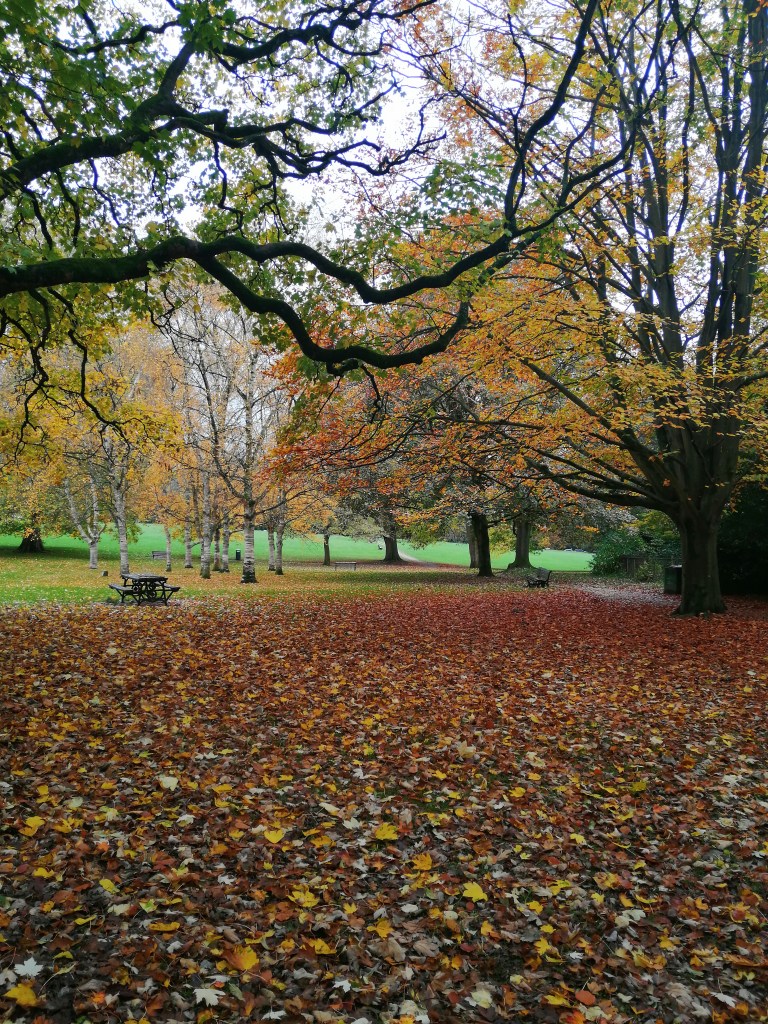
The charming colours of autumn

At this time of year, many people start to experience Seasonal Affective Disorder (SAD), this is a type of depression that occurs during certain seasons. With winter looming around the corner, you may be starting to feel uneasy about this. My advice would be, as hard as it may seem, get outside and go for a walk!

Absorbing vitamin D through natural light is one of the most beneficial ways to overcome SAD. Plus, once you are outside it is a wonderful experience. The colours at this time of year are amazing and the change of leaves and seasons is a beautiful thing to witness.