Diary of a Clueless Gardener: Installing Veg Boxes for the First Time


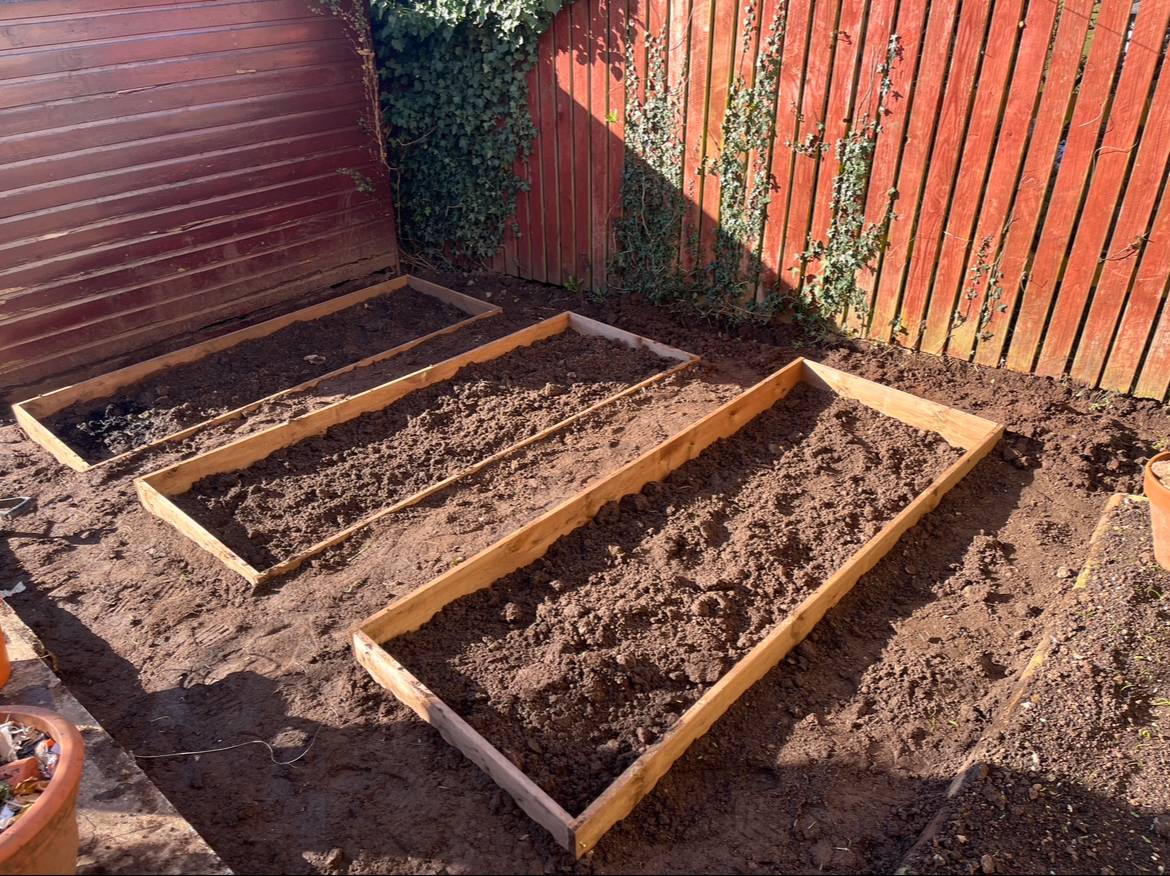
I’m so very excited to share that our veg boxes are in! 

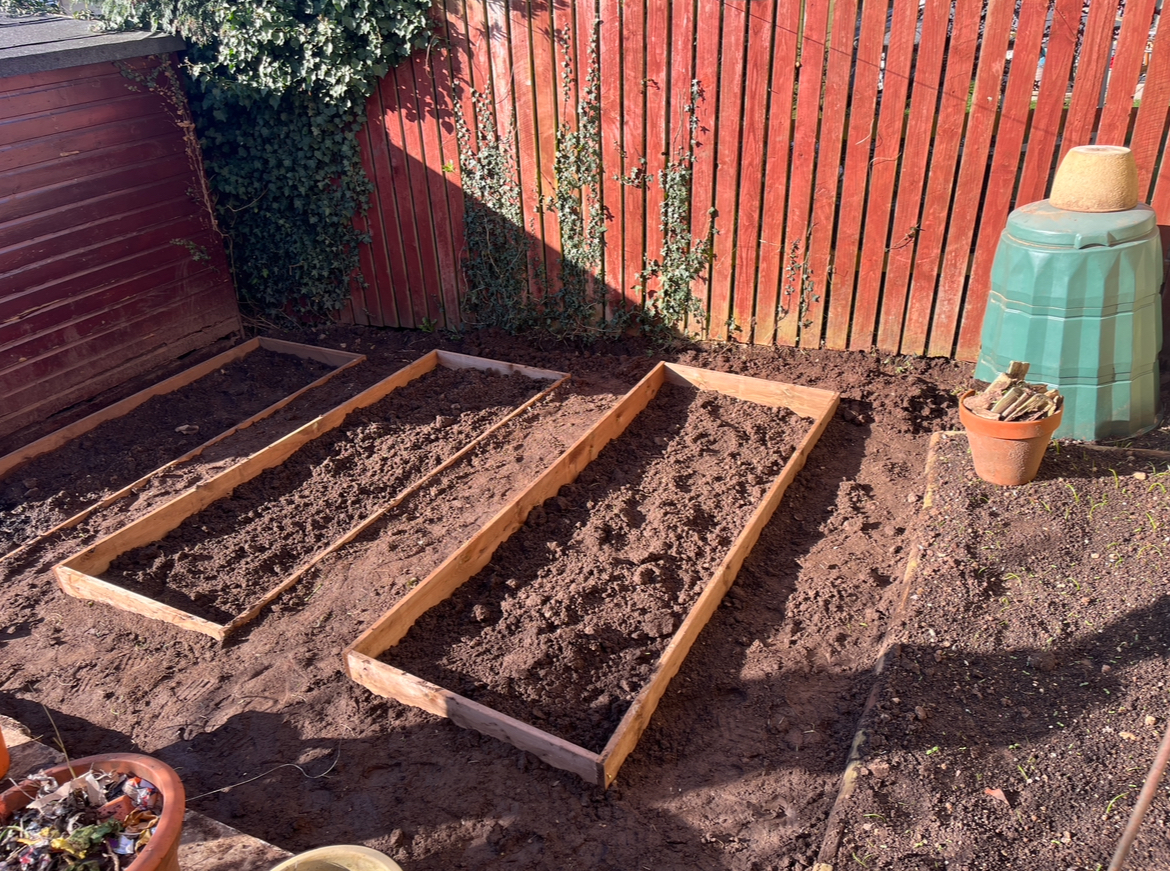
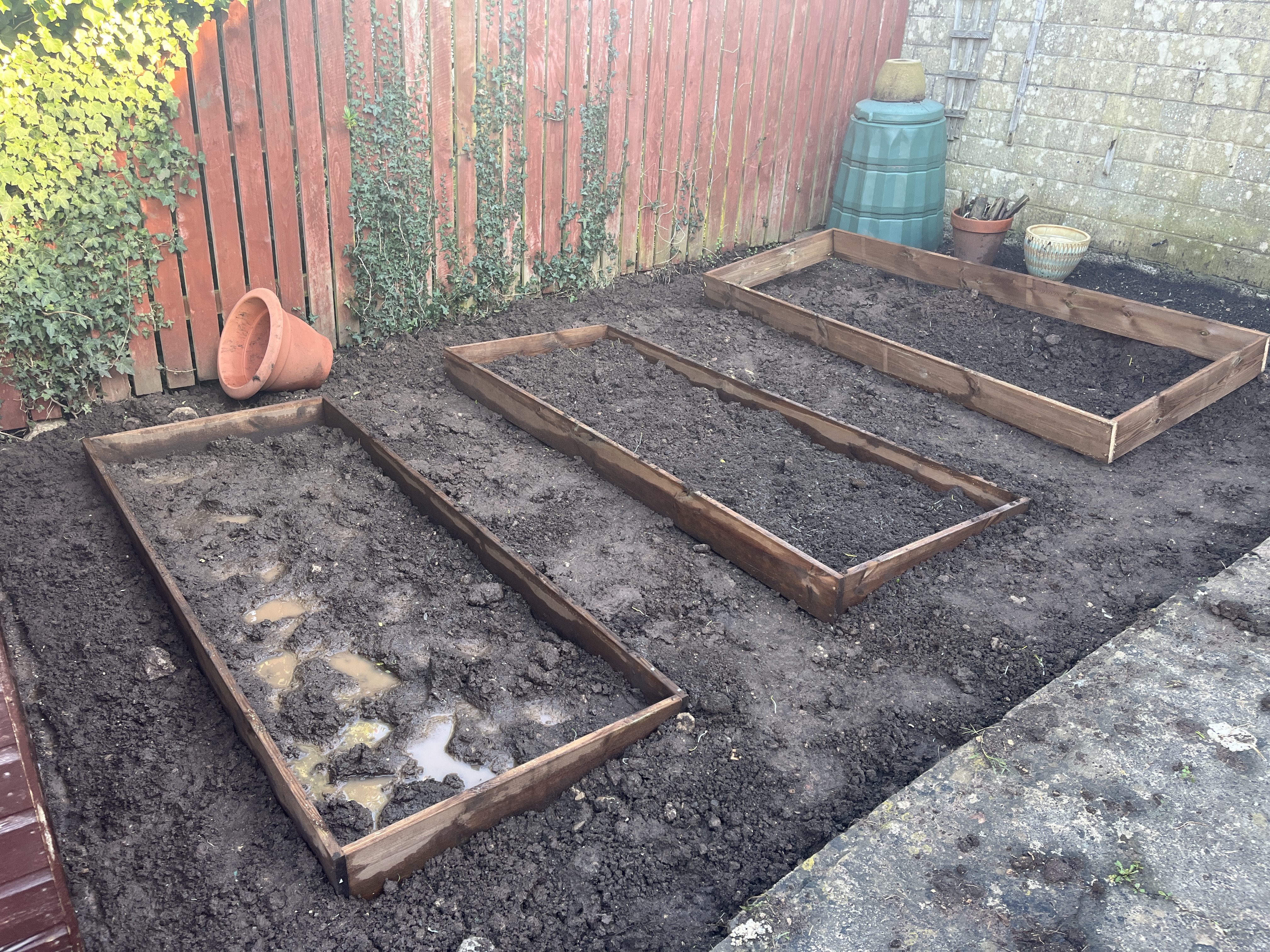
They are yet to be filled and planted in but we’re so almost there. Very exciting indeed. We’ll have veg growing before you know it! It’s taken hard work to get to this point, and we’ve already learnt so much on the way. 

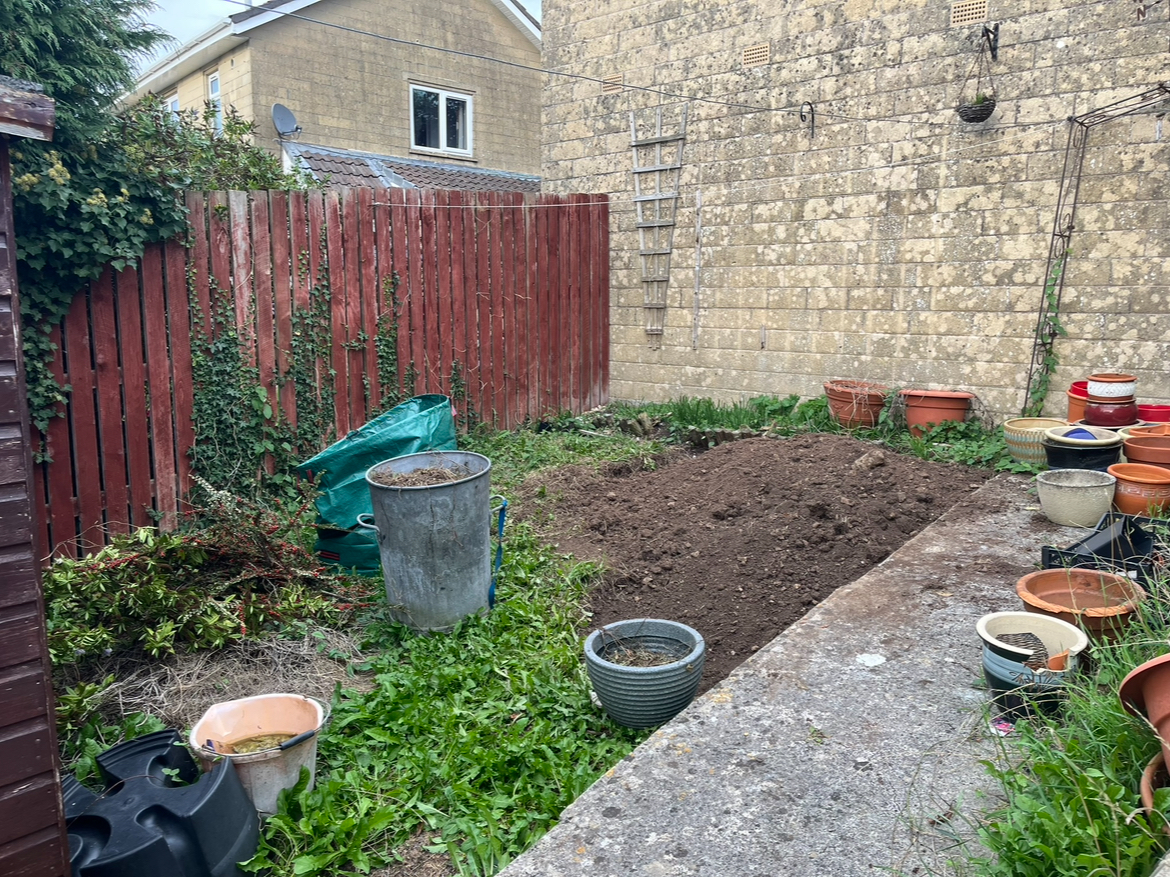
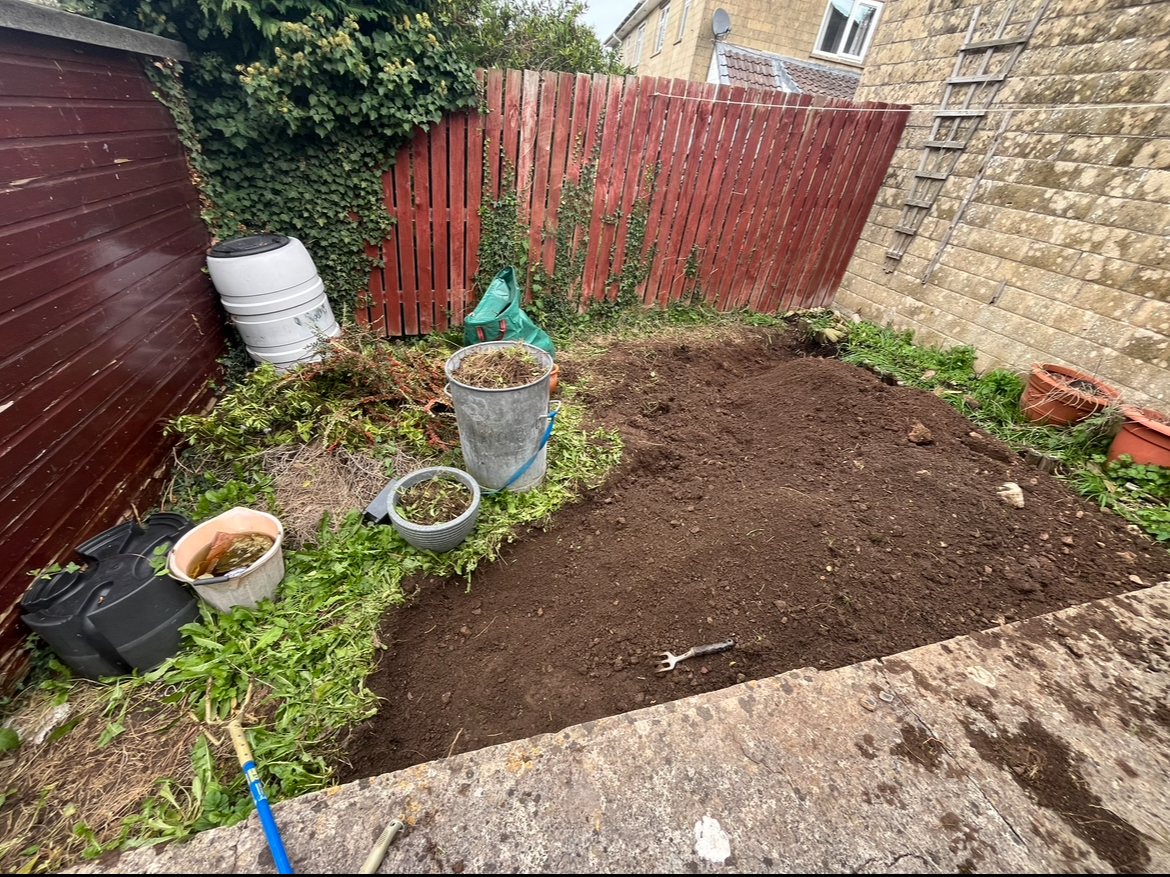
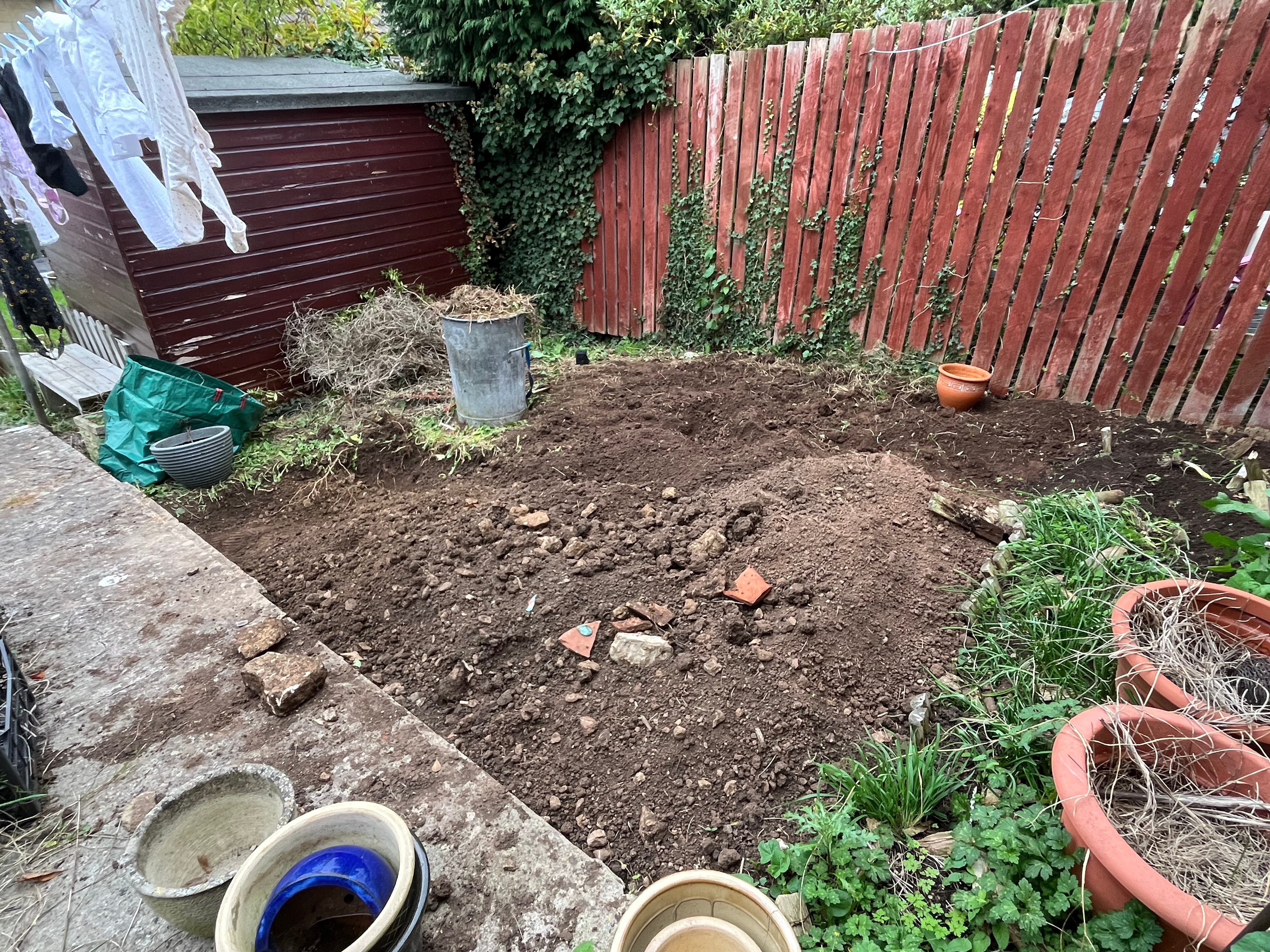
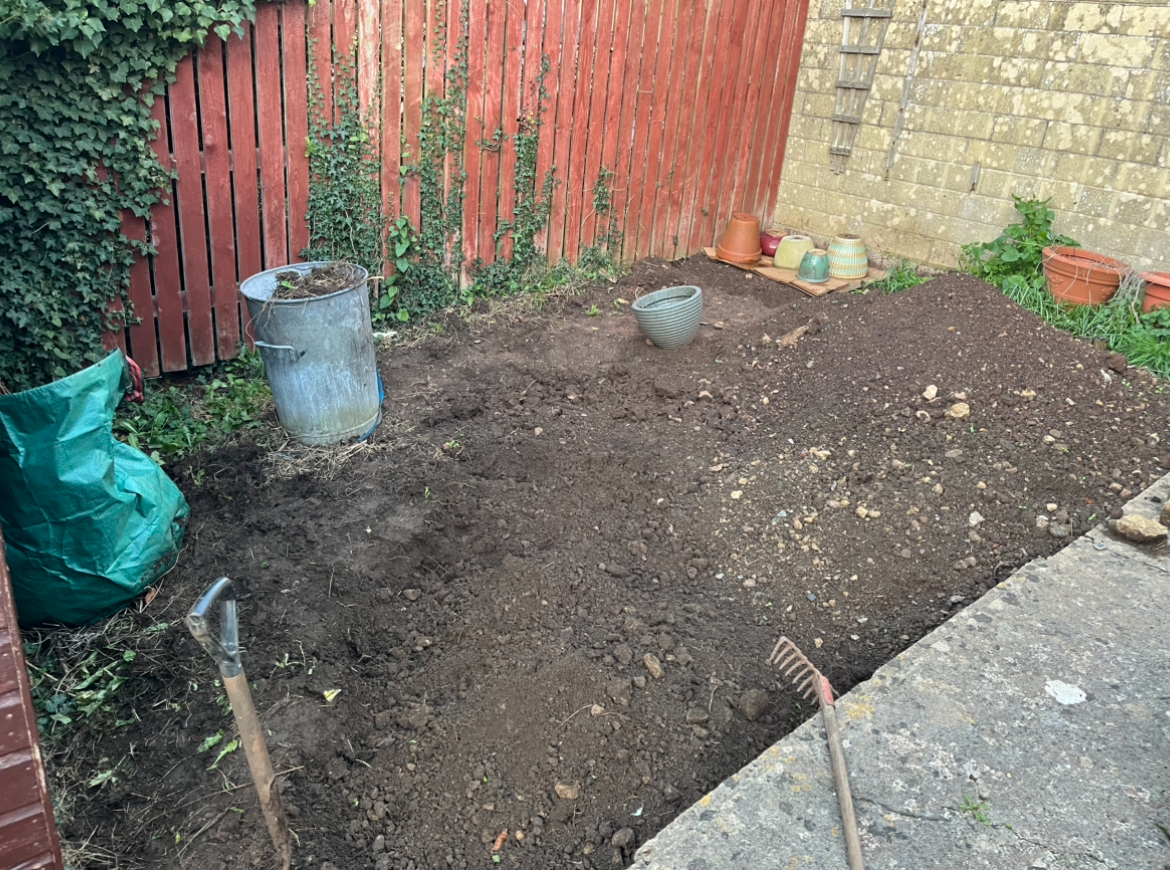
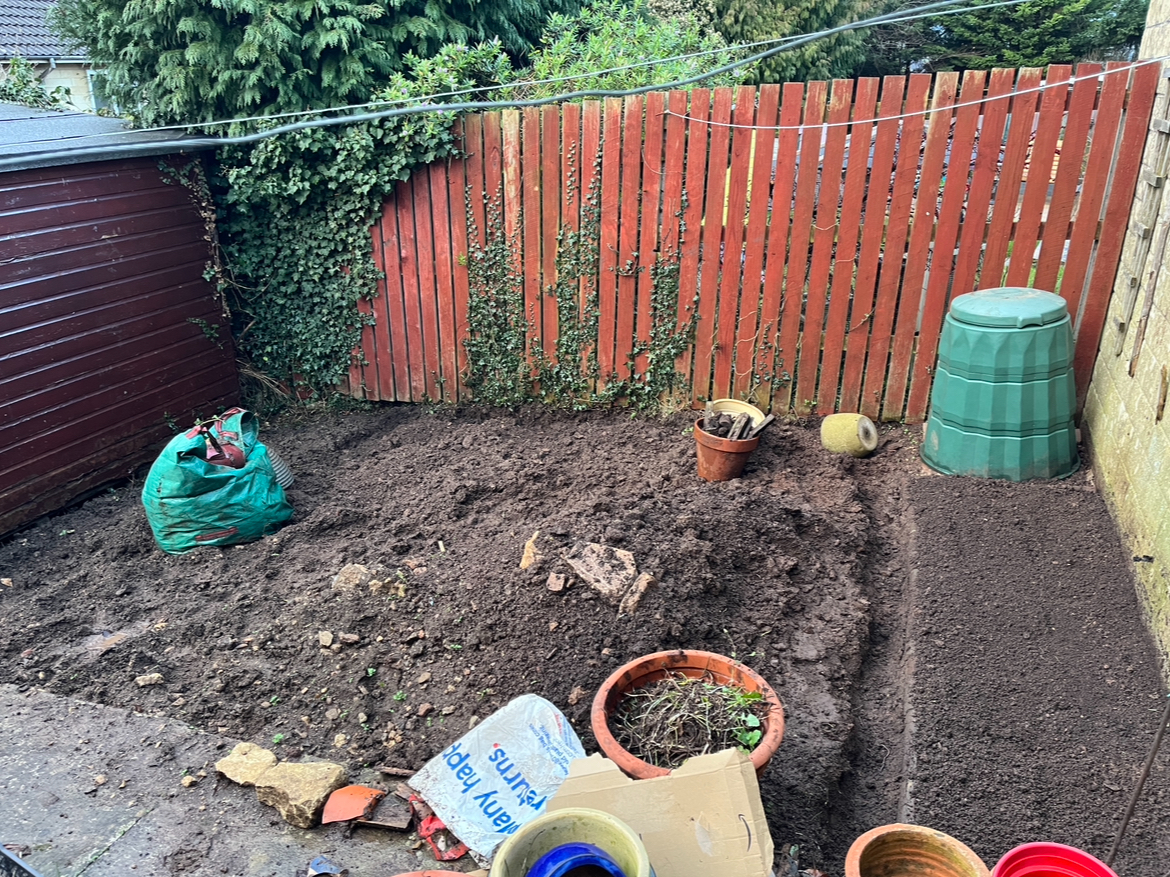
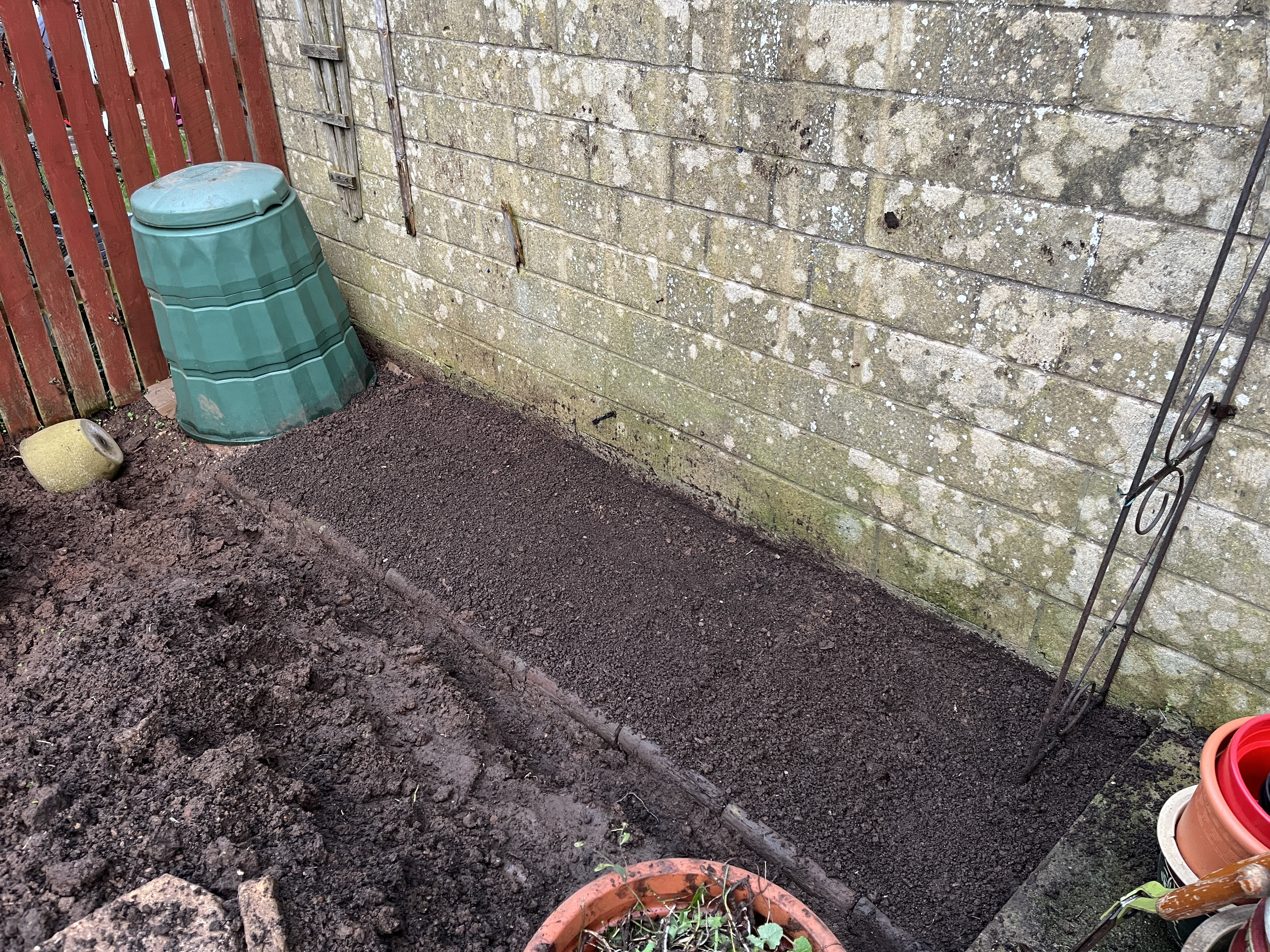
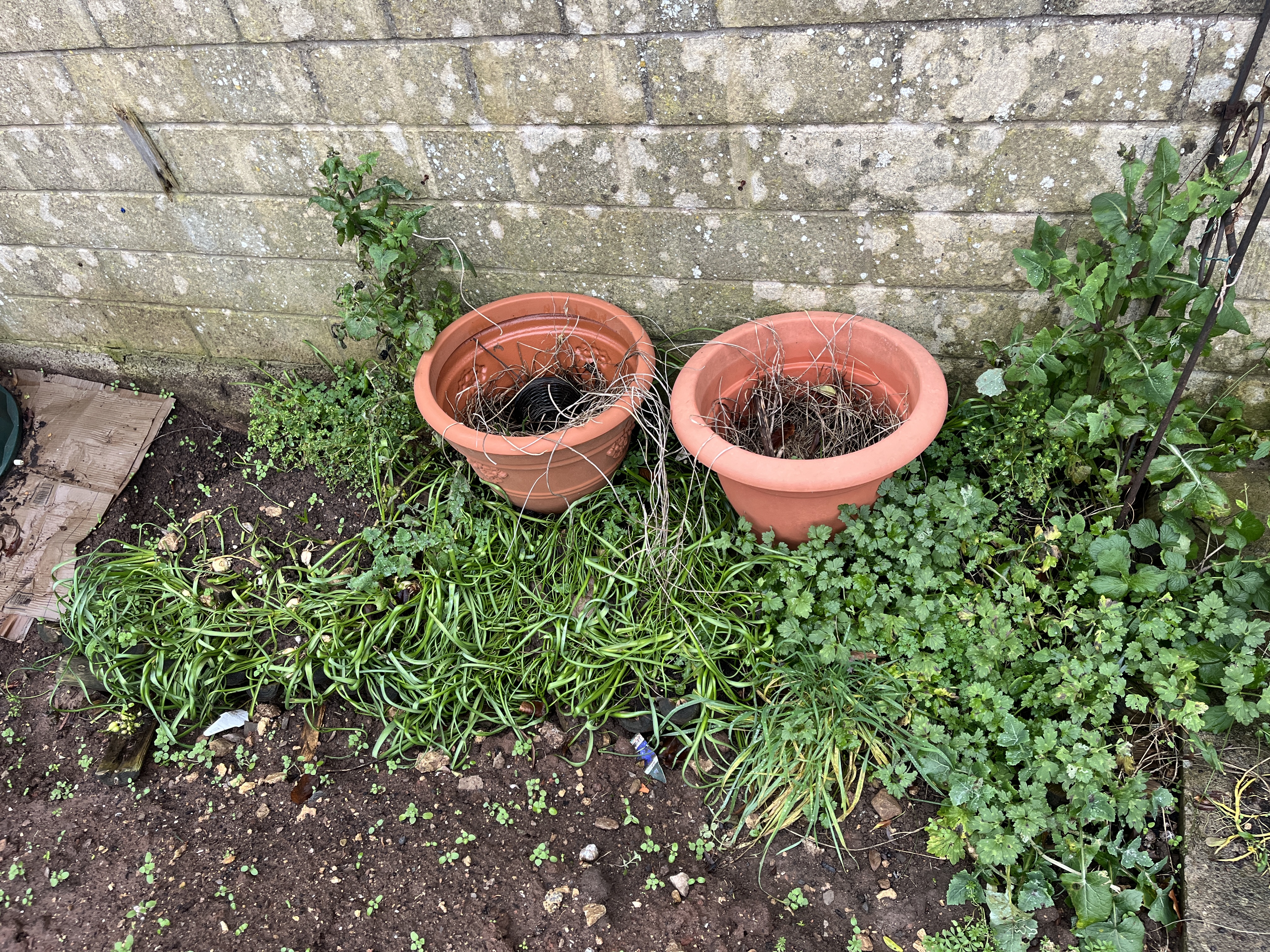
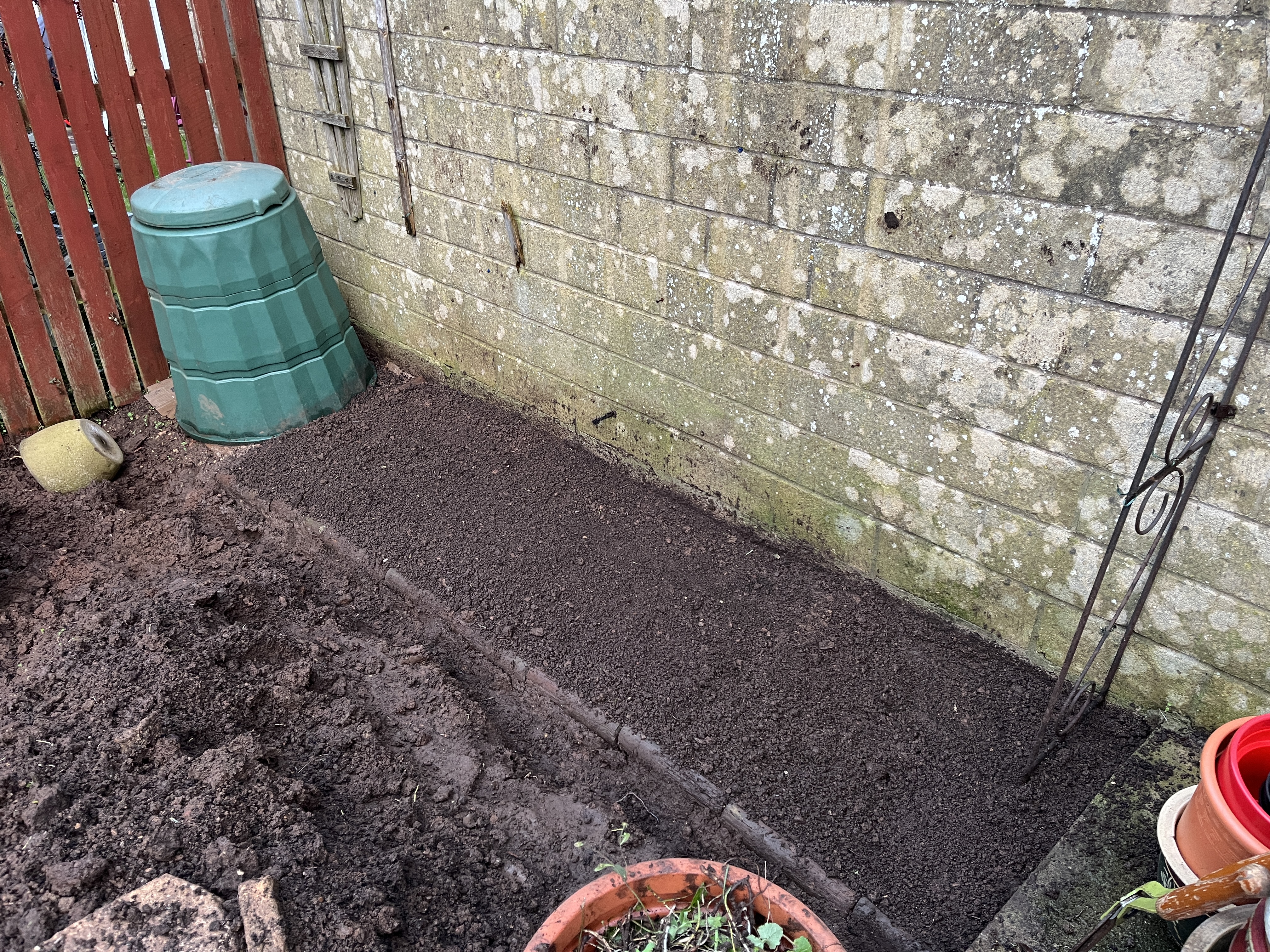
For anyone new here, let me share the journey the top corner of our garden has taken. What used to be a bindweed-ridden patch of grass slowly turned into something resembling a much muddier scene from Holes, before eventually becoming home to a compost bin, the beginnings of a flower bed, and now three wooden veg boxes. It’s been quite the transformation.
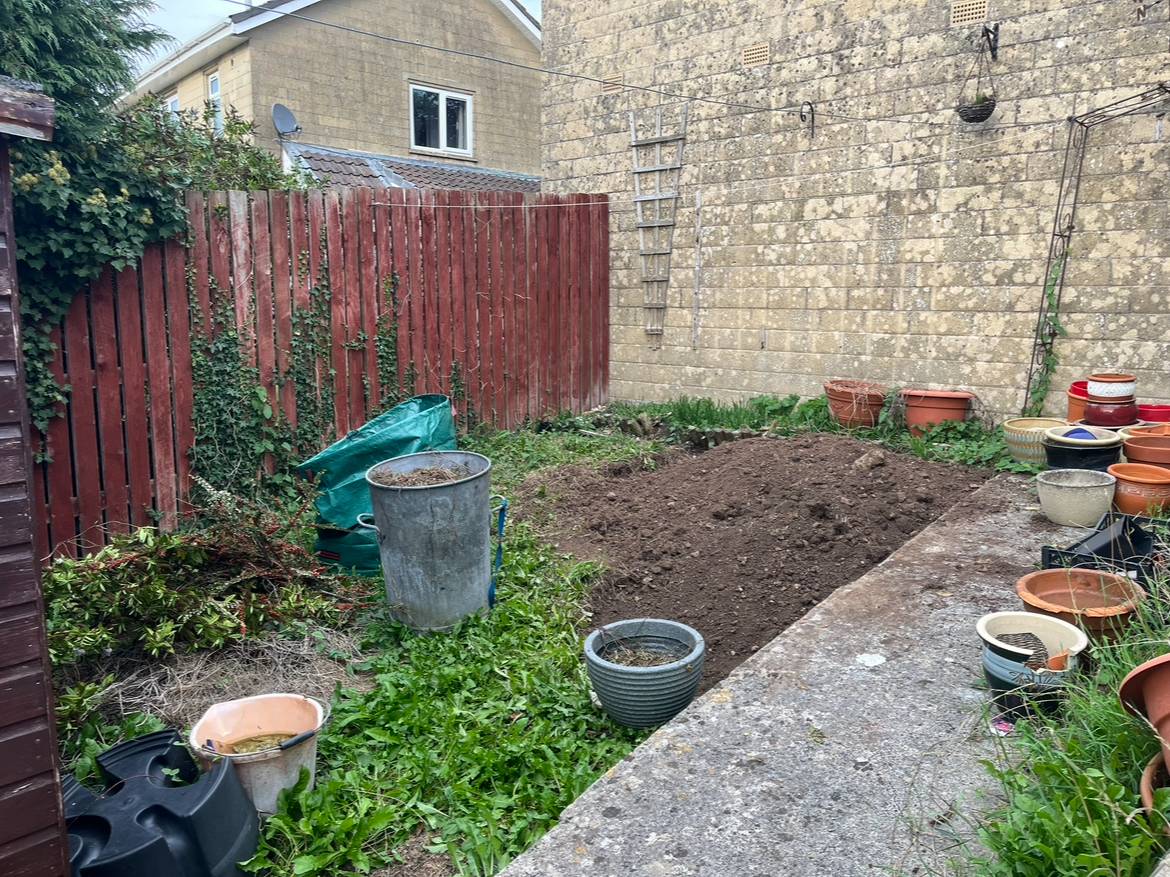
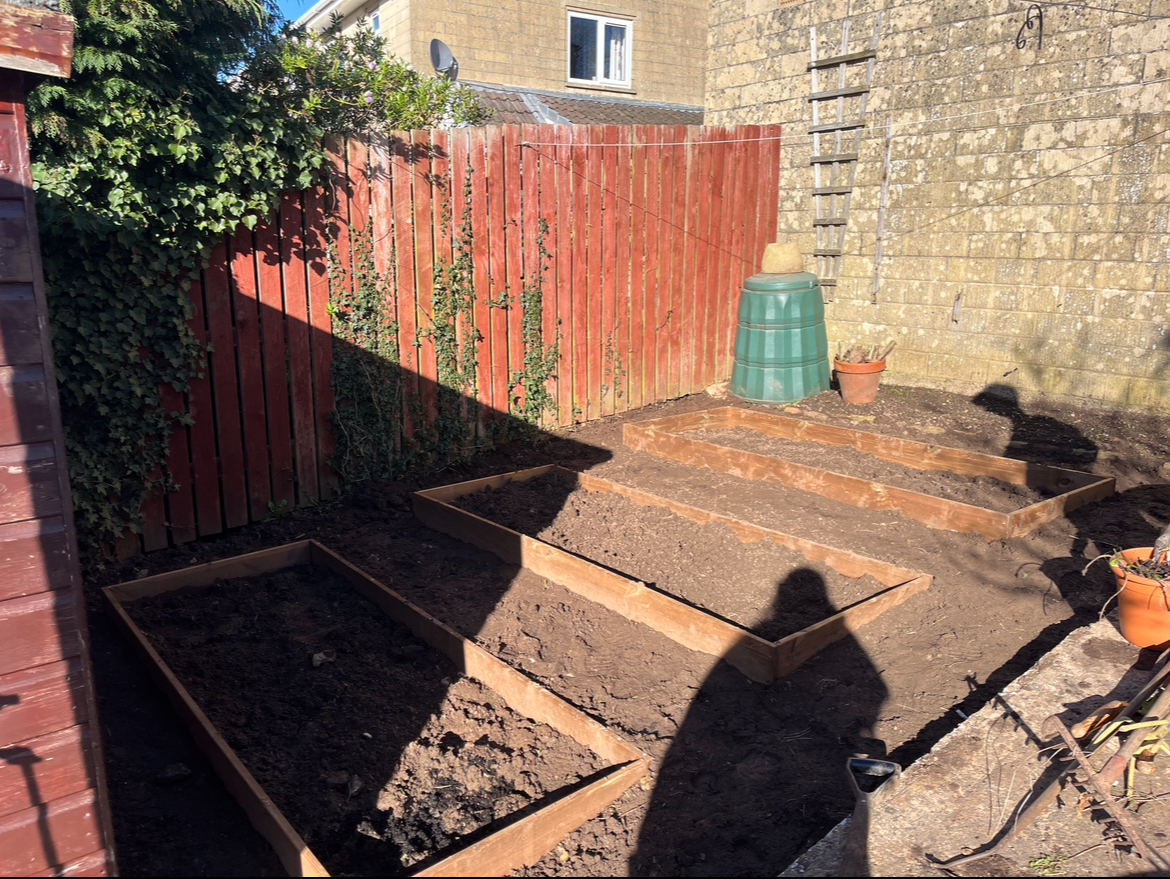
Drag to see the before and after!

Clearing the ground 

It all started in the last week of September 2025 (oh wow, how time flies!). Shem and I began our digging journey on the weed ridden area. I had considered doing the no-dig method but we wanted to be ready to grow vegetables in the coming spring 2026. From what I’ve heard, the no-dig method takes a while – especially when you’re dealing with stubborn weeds like bindweed and dandelions!

We also had no idea what we were doing, really. There were many moments when I was standing in the deep mess I had just dug, wondering if we had been rather incompetent in our approach. 

However, I’m a big believer of the best way to learn is by doing – and that often includes mistakes too. I’m sure we will look back at this first experience of gardening and laugh at ourselves though.

Anyway, after lots and lots of digging – and lots and lots of pulling of roots – we finally started to get somewhere.  

Planning our veg boxes

When building a vegetable patch, it’s important to think about space and layout. We wanted the veg boxes to be practical to work with, but also fit nicely into the corner without making the space feel cramped.

Shem has been the mastermind behind this planning really. He’s a numbers man, and has a great eye for detail. Here’s a little snap of his plan:
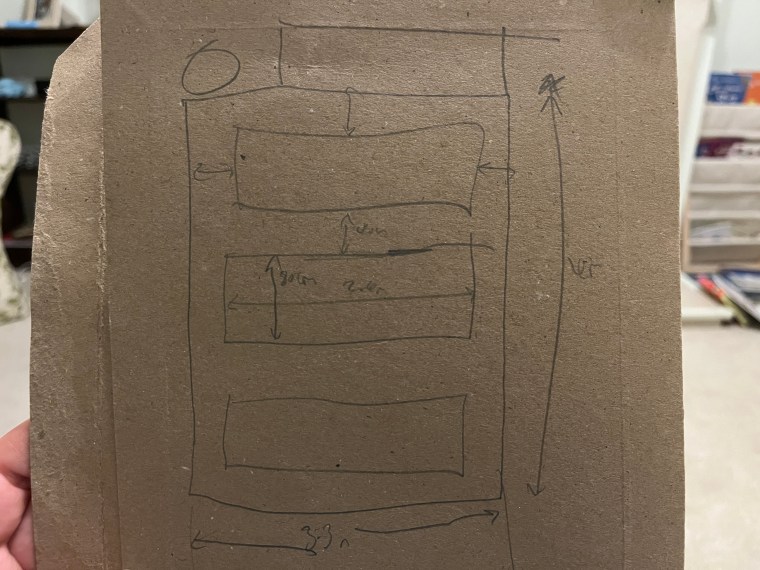
To translate the picture above, the plot is 4m x 3.3m. Each veg box is 2.2m x 80cm. We have also built a footpath around the veg boxes (which will be a wood chip path) of 40-50cm all the way around. Also, our garden is on a slope so each veg box is slightly platformed. 

Why we chose veg boxes

Ok, so I keep calling them veg boxes but they’re technically not. We wanted to start simple so rather than investing in raised beds or pre-made structures, we went for DIY wooden veg boxes on the ground. 

Essentially, they are planks of wood that Shem screwed together to create neat planting areas – something to contain the soil, define the space, and keep our veg organised.

There were a few reasons for this approach:

  1. Cost-effective – Using basic planks meant we could create multiple boxes without spending a fortune.
  2. Aesthetics – I quite like the look of borders around veg patches, and it makes everything feel neat and tidy.
  3. Control over soil – Even though the boxes are on the ground, they help keep the soil contained and make it easier to add compost or mulch.
  4. Beginner-friendly – As first-time gardeners, this was a manageable way to get started without feeling overwhelmed.

The idea is that the veg boxes will give a clear structure to the top corner of our garden and set us up nicely for when we start planting.

Positioning the boxes

I can’t say that I had much to do with actually getting the boxes in – that was all Shem. Thanks to such great planning beforehand, it was quite straightforward to do. 

The biggest challenge, apparently, was shifting lots of soil to create the small platforms for each box. Our garden sits on a slope, so a bit of levelling was needed to make sure everything sat properly.

Once the frames were in a couple of layers of cardboard were laid down to kill off any leftover weeds and then topped with some soil. 

So… what happens next?

Although I can finally look at the top of the garden and say “wow, this is actually starting to look like a vegetable garden”, we are far from finished. 

Next up, we need to:

  • Fill the boxes with compost and prepare the soil
  • Make final decisions on what vegetables we’ll grow (I’m thinking we should start simple)
  • Plan out our veg boxes and where each vegetable should grow
  • Actually plant something – and hope it survives!

But for now, our veg boxes are just sat there empty, waiting patiently.

And Shem and I are basking in the joy of what feels like a finished job but is really just the beginning of our growing journey. 

The proof is in the pudding! (Well, veg patch)
Follow my gardening journey…

If you’re a fellow beginner, a curious onlooker, or someone who just enjoys watching seeds (hopefully) turn into food – you can subscribe below and join me on this gardening adventure.
Diary of a Clueless Gardener: An Overdue Garden Update


Okey dokey, we’re at a pretty good point! 

I’ve been rather absent from this blog recently. Life’s been busy and I figured I should spend any spare time gardening, rather than writing about gardening! 

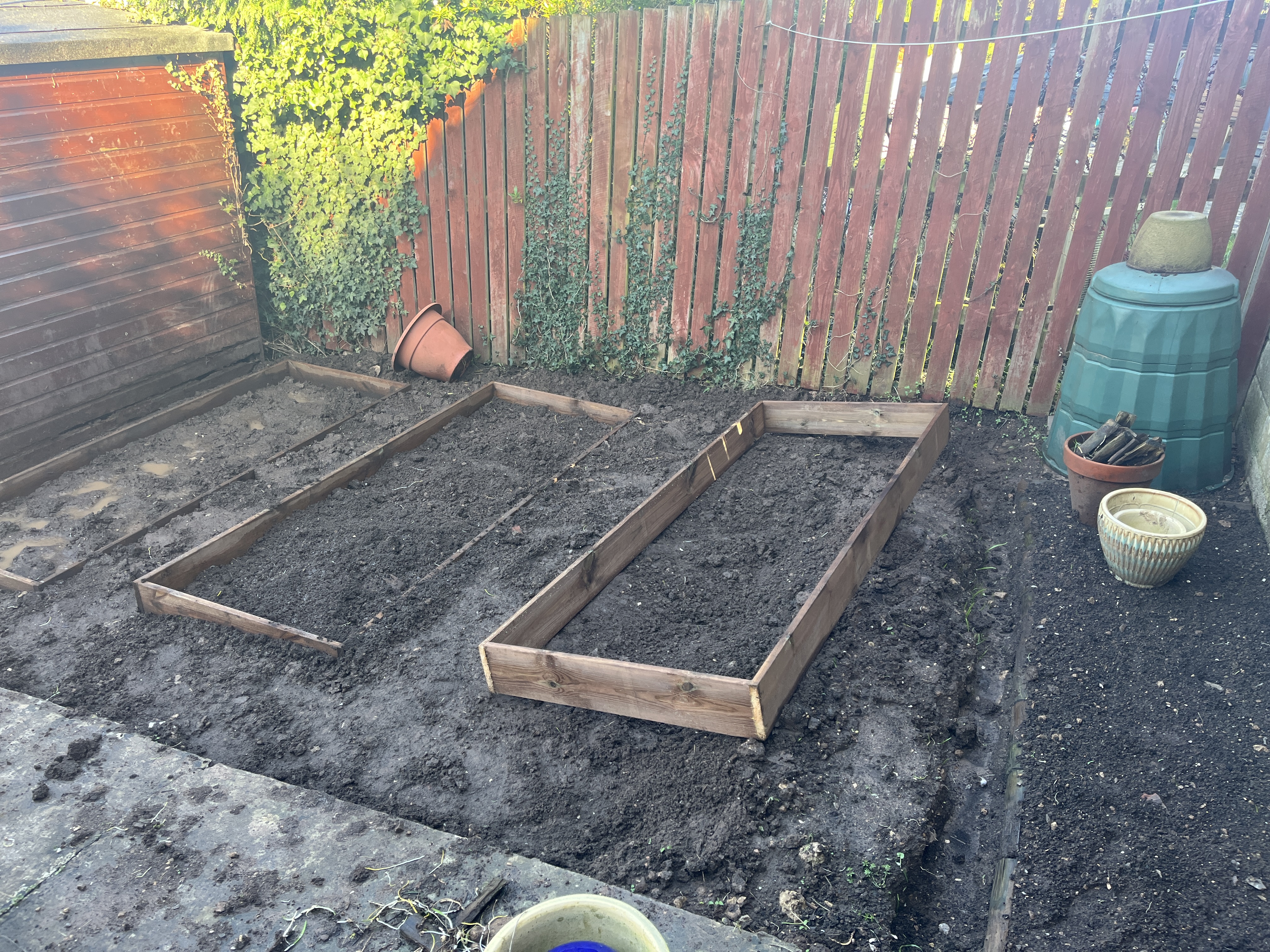
Well, that’s just what we’ve been doing, and we’ve made some good progress. The top corner of our little garden is really getting there. We have a compost bin in the corner, a flower bed at the top, and two out of three veg boxes in place! (See pictures at the bottom of this post). 

We’re now at a stage where the space is prepped and we want to get growing… but I feel a little scared. I feel like I’m missing a stage. 

So I’m here to give a quick update on the garden and think out loud about what to tackle next. For now, I’m just focusing on the flower bed. The final veg box is coming soon, so stay tuned to hear how we approach that too.

Clearing the chaos

There was already a flower bed at the top of our garden. It was overgrown and riddled with bindweed, but there were also some lovely flowers that popped up last spring / summer time. 

However, and I’m still not sure this was the right thing to do, we purged the ground. We dug deep and removed everything to start completely afresh, then levelled the soil and built a new border using blocks from the old wooden edging. And I must say, it’s looking rather nice!

Drag to see the before and after of our flower bed!

From what I’ve researched (and the fact there was already one here before), this seems like a good location for a flower bed. It gets sun for much of the day and sits against a wall, so it’s sheltered from strong winds – hopefully preventing taller plants from toppling over.

The floral plan (in theory)

I’ve managed to collect a few different types of flower seeds. Our Gardener’s World magazines have all come with a packet, and so far, we’ve received: 

Delphiniums – some of my favourites, as they remind me of my wedding bouquet – I’m very excited about these ones! I’ve already sown these in pots in the conservatory and I’m (impatiently) waiting for them to germinate.

‘Red Midgets’ – low maintenance, self-seeding perennials, which feels perfect for a first-time grower who isn’t particularly disciplined in caring for plants yet. 

Daras – I wouldn’t call these the prettiest of flowers but the packet says they are ‘pollinator magnets’ and great for wildlife in the garden – so that’s always a win. 

I was also given sweet peas, De Caen anemone mix and Blanda anemone mix for my birthday, so plenty to experiment with! I would also really love some lavender in there too but I’m thinking of buying a part-grown pot of this to transfer in (any advice around this would be appreciated!). 

The missing piece

So we have beds prepared, and seeds ready to plant. However, in a brief conversation with someone at church, they mentioned preparing soil… which I have no clue about. 

But to prevent this post from being super long, and to give me a bit more time to do a deep dive into soil preparation, I’ll leave it here for now. Just a little update on our garden, and a sneak peek into some of the flowers we’re hoping to grow. 

There’s so much to learn on this gardening journey. Some days I feel far away from having a functioning garden, and other days it feels so tangibly close. 

I just hope that I’m implementing all that I’m learning well. It’s been 10 days since I planted the delphinium seeds, and there’s no sign of life so far – I hope they show up soon! 

See, some good progress…

Spoiler alert: I’ll post progress pictures for this little corner when all of the veg boxes are in!

Follow my gardening journey…

If you’re a fellow beginner, a curious onlooker, or someone who just enjoys watching seeds (hopefully) turn into food – you can subscribe below and join me on this gardening adventure.
Diary of a Clueless Gardener: Ready, Steady, Sow! (Starting Seeds Indoors for the First Time)


Spring is getting closer and closer and, although our veg patches aren’t quite ready yet, it’s about time we started thinking seriously about growing our own vegetables. Thankfully, even though the weather has been particularly ghastly recently, this is a step that can be started indoors.

It’s time to start sowing some seeds!

But I’m coming at this with completely fresh eyes – I’m a real blank canvas when it comes to knowing how to go about it. The only vegetable seeds I’ve ever sown from seed were cress in Year 5 at primary school.

I had briefly considered buying already-grown vegetable plants and simply planting them out when the time was right. However, after reading this month’s edition of Gardeners’ World, and seeing Monty Don speak rather excitedly about growing veg from the very beginning and watching a seedling emerge, I was convinced to give it a go.

I’ve been doing lots of reading and research around sowing seeds, and there’s a lot of information out there. Even after getting to grips with the basics, I still found myself with plenty of questions. So I thought the best way to process it all was to write about it – and hopefully, if anyone else is asking similar things, there might be some helpful answers here too.

I’ll be sharing updates as I go, documenting what works, what doesn’t, and everything I learn along the way – so if you’re interested in sowing seeds for the first time too, you’re very welcome to follow along.

Seed sowing basics (as I understand them, anyway)

  1. Decide on your plants and buy the seeds. 
  2. Sow all tender plants indoors, while more robust ones can be sown directly into the ground outside.
  3. For indoor sowing, find a warm and sunny space to grow your seedlings.
  4. Fill a seed tray or pot with peat-free compost and thinly sow seeds on the surface.
  5. Gently soak the compost with water, being careful not to dislodge the seeds. 
  6. Cover with a clear plastic bag or lid
  7. Label pots with the plant name and date
  8. Leave to germinate

What sowing seeds looks like for my garden

As it’s our first time, I want to start with some simple-to-grow vegetables, while also choosing ones we eat regularly. We’re going to attempt to grow: carrots, beetroot, spring onions, spinach, lettuce, courgettes, broad beans and potatoes (and perhaps some herbs and strawberries).

Most of these are best sown into the ground outside. However, I would quite like to properly learn the process of growing from seed so I’m going to get a head start on some lettuce and spinach and begin sowing them indoors. Learning to sow indoors will hopefully be a useful skill to adopt so I’m just going to see this as good practice. 

Courgettes are best started indoors as they are more delicate and therefore sensitive to the cold. I think I’ll still try to sow these from seed and can always buy an already sown plant ready to put in the ground once the weather is a little warmer.

So that I don’t complicate this post, or make it too long, I’ll just focus on indoor sowing for now and can think about the outdoor sowing further down the line – once the weather is right, and when our veg patches are ready! 

My shopping list for indoor sowing

  • Seeds
  • Peat-free compost
  • Seed sowing pots / trays (I’m going to try using toilet roll holders too, because apparently that works!)
  • Plant labels 
  • Dibber 

Beginner questions about sowing seeds

Even after all this reading, I still had a few unanswered questions: 

  • How often should you water newly sown seeds?
  • Where’s the best place to keep seed trays before and after germination?
  • How long does germination usually take? 
  • When is a seedling ready to be planted out?

So I did some further, more specific reading around these!

How often should you water newly sown seeds?

Surprisingly, it took a while to find a straightforward answer to this. In short, the pots should be checked daily and gently watered (perhaps with a spray bottle) as needed. The general advice is to keep the soil damp – moist, but not soggy. Putting a clear plastic cover over the pot should help retain moisture. 

Where’s the best place to keep seed trays before and after germination?

The obvious answer to this is somewhere with sunlight, which would be our conservatory. However, when it’s almost February and we have rather cold weather, this would not be suitable because the germination period needs heat. One option is to use a propagator or heated mat but I would like to keep things simple for now. 

An article titled The Beginner’s No-Fail Guide to Starting Seeds Indoors offered a helpful insight into this. It points out that sunlight isn’t essential at the very beginning of the germinating process so suggested putting seed trays in a warm room for the beginning part. As soon as there’s any sign of germination, they must be moved to sunlight to prevent leggy, weak growth. 

How long does seed germination take?

This question actually only dawned on me as I was writing this post. I think because I mentioned “germination” so often, I realised I wasn’t actually sure where it began and ended!

Of course, it’s not a one size fits all situation, germination time varies depending on the plant. For most vegetables it can take anywhere from a few days to a couple of weeks. Salad leaves like lettuce and spinach are fairly speedy and can show signs of life in around 7–14 days, while others are happy to keep you waiting a little longer. 

Apparently, you’ll know a seed has germinated when you see the very first green shoot pushing its way up through the compost. These first leaves aren’t the “real” leaves of the plant yet – they’re called seed leaves – but they’re a very reassuring sign that something is happening below the surface. Until that point, it’s mostly a waiting game (and an exercise in patience).

When is a seedling ready to be planted out?

I’d assumed that once a seed had germinated and grown a bit, it could pretty much go straight from the seed tray into the veg patch. It turns out there’s a small (but important) middle step. 

After germination, seedlings need time indoors to grow stronger. I’ll need to look out for their ‘true leaves’ – these appear after the initial seed leaves and look more like the actual plant. 

But even then, most seedlings aren’t quite ready for the garden yet. Before planting them into the veg patch, they need to be hardened off. This means gradually introducing them to outdoor conditions by putting them outside for short periods each day and slowly increasing the time over about a week. 

Once seedlings have several true leaves, have been hardened off, and there’s no risk of frost, they’re ready to be planted in the ground. 

So it’s not quite from seed tray to soil straight away, there’s more of a gentle transition that helps the plants survive (and hopefully thrive).


Okey doke, there we have it – I’m ready to buy my shopping list and have a slightly better understanding of what I’m actually doing. Next up is putting all this reading into practice and seeing whether anything green decides to show up. 

I’m fully expecting a bit of trial and error along the way, but that’s part of the fun (I hope). If you’re also new to sowing, or if you’re a seasoned grower with wisdom to share, I’d love to hear from you. I’ll keep sharing updates as we go – how exciting! 

Photo by Markus Spiske on Unsplash

Follow my gardening journey…

If you’re a fellow beginner, a curious onlooker, or someone who just enjoys watching seeds (hopefully) turn into food – you can subscribe below and join me on this gardening adventure.
Diary of a clueless gardener: A muddy cure for a bad day


Well, it’s been a hot minute since I’ve posted on here. In all honesty, it’s been a hot minute since I’ve been out in the garden too.

But I’m delighted to share that I did manage to get out and enjoy a sunny afternoon in the garden on Wednesday.

We’re still on the de-weeding mission – slowly but surely clearing the first section of what will hopefully become the veg patch. It feels like a very slow process, and I have to remind myself not to be discouraged. Realistically, we’ve only been able to get outside in short bursts: during Shem’s lunch break or when Evalina’s napping in the afternoon.

I’m very much looking forward to longer days and lighter evenings, when we can get stuck in together without competing with daylight.

And, by the way – if you’re wondering who Evalina is – she’s our little girl, and she just turned six months old!

A bad morning, a brighter afternoon 

Wednesday started as one of those days. The kind where everything seems to take twice as long and go half as well. Nothing dramatic, but everything was just… off. That slow morning meant we arrived very late to a baby class, only to discover the elevators were out of order, which meant not actually going in at all. Then to top it all off, I somehow lost the parking ticket I needed to leave the car park. Classic.

It was one of those frustrating mornings where you just want to hit reset and start again.

However, it was a sunny day and when Evalina went down for her nap, I knew exactly what I needed… an afternoon in the mud!

The joy of gardening

There’s something about being outside, breathing fresh air, digging up weeds, and letting your worries drift away. Whilst gardening, I was thinking about writing this post and wondered if there was some sort of philosophical reflection or some cheesy thing like that brewing. 

But honestly? When I stopped to ask myself what I was actually thinking about… it was nothing.

And I mean that in the loveliest way.

I realised how much joy I found in not thinking. Not calculating when Evalina last ate, not stressing about the dirty dishes still in the sink, or replaying the morning’s frustrations. Instead I just found joy in digging. Using my hands, keeping an eye out for roots and feeling strangely victorious each time I pulled one up.

Sometimes joy doesn’t come from thinking deeply – it comes from giving your brain a moment to switch off.

And on Wednesday afternoon, that simple, muddy, quiet joy was exactly what I needed.

I almost forgot!!

When I first went out into the garden, the bad morning had tried to follow me. I excitedly went to check on my new compost bin only to find a pile of vegetable scraps and leaves… and the compost bin itself a few metres away!

So if this has happened to you before, or if you have any tips on compost bins not flying away, please let me know. (See my quick fix in the pictures below)

An update on our digging:

  • Author looking happy in the garden
  • Garden update (angle 1)
  • A compost bin with an upside down plantpot on the lid.
  • Garden update (angle 2)
  • Garden update (angle 3)

Diary of a clueless gardener: Starting a compost bin from scratch


I’m finally at the point of having my very own compost bin! 

It might sound a bit funny, but I’ve been wanting my own compost bin for years. I love the idea of taking waste and putting it to good use – to create organic, high-quality soil that will help me grow nutrient-rich food. It’s like recycling… but for vegetables!

Before starting a compost bin, I asked myself three questions: 

  1. Where should I put a compost bin?
  2. What shall I put in my compost? 
  3. How long does it take to make compost?

To answer these questions, I watched videos, read online articles, and even read through the composting section of the RHS book I bought Shem for his birthday – How to Garden: When you’re new to gardening. Here’s what I’ve learnt while preparing to start a compost bin from scratch. 

Where should I put a compost bin? 

When deciding where to put our compost bin, we wanted it close to our soon-to-be veg patch and somewhere easily accessible. 

My research pointed to two other helpful considerations: placing the bin at the top of a slope for better drainage, and choosing a spot that gets some sunlight (to help the bin warm up) without giving up precious growing space.

There is a range of bins to choose from when making compost. The main ones being:

  • Circular plastic ones – cost-effective and great for small spaces
  • Larger wooden ones – environmentally friendly, but more expensive
  • DIY options – in his Simple Guide to Composting video, Huw Richards offers a very simple homemade compost bin using pallets

The house we bought came with a compost bin already in the garden, and it seems to be in good condition. It’s one of the standard stationary plastic ones. Ideally, I’d love to build a wooden bin one day, but for now – given our limited space and my dislike of waste – the plastic bin wins.

What shall I put in my compost?  

The key thing when thinking about ingredients for compost is that you have your greens and browns. The greens heat up the heap, which is key for making compost, and the browns help reduce bad odours, prevent pests and stop the compost from becoming too slimy.

But once you know the “greens” and “browns” rule, composting suddenly feels much simpler.

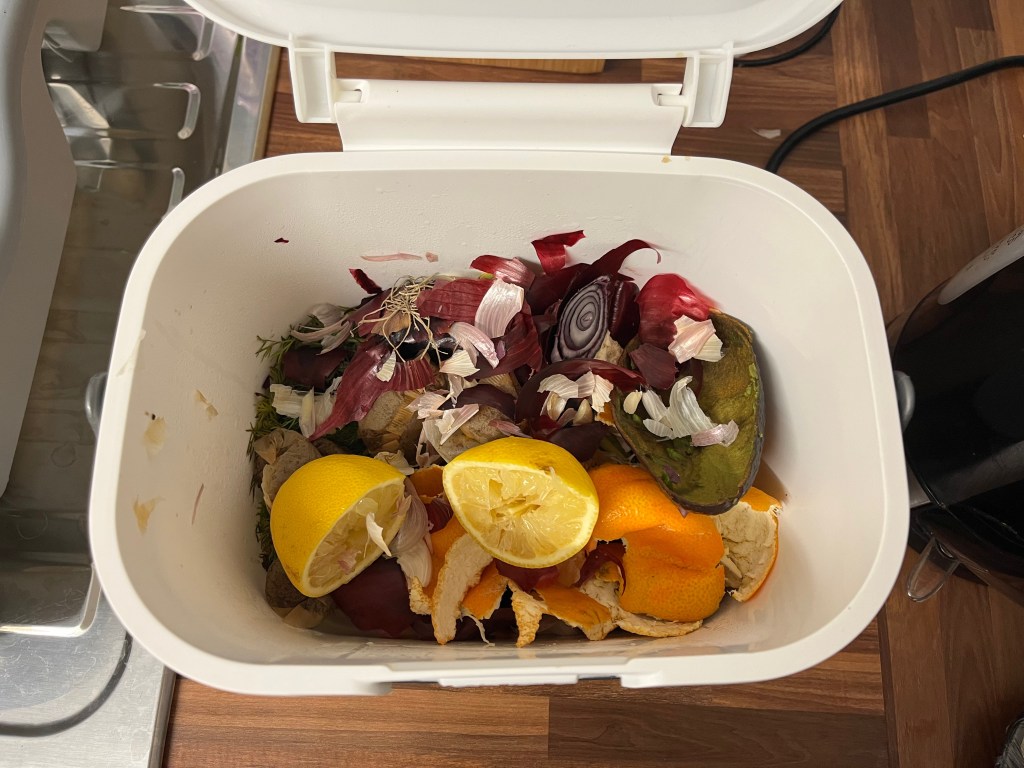
Greens are fresh materials and release nitrogen – so this would be your veg waste, grass clippings, coffee granules, or even animal manure. 

A picture of various kitchen waste greens ready for the compost bin

Browns are dry materials full of carbon – such as cardboard, leaves, paper, sawdust. 

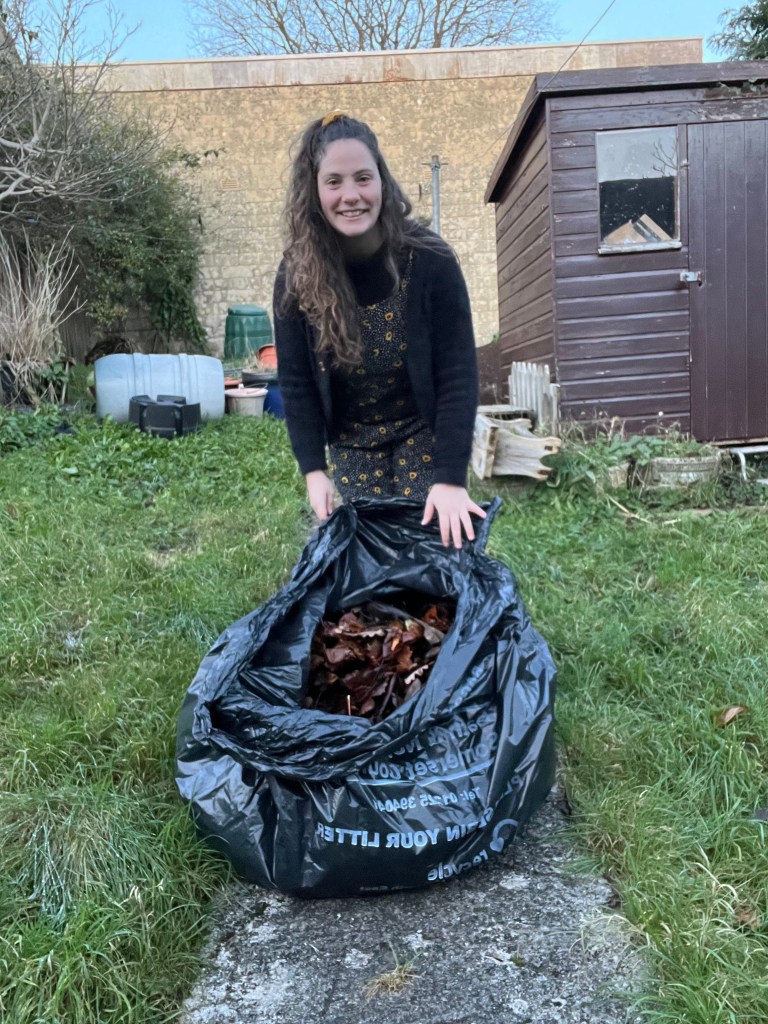
As it’s autumn, I had planned to go and gather lots of leaves from a street down the road from me. By happy coincidence, on the day I planned my leaf-collecting mission, I walked straight into two council workers clearing the exact path I had in mind. At first I kicked myself for not going sooner… and then I realised they were actually saving me a job. So I asked if I could have a bag of leaves -and they very kindly agreed!

Author, Poppy, showing the bag of leaves given to her by the road workers.

When thinking about what not to put in your compost, Better Homes and Gardens has put together a very helpful list.

Now there seems to be some conflicting information about the ratio of how much of each you put in. In the video mentioned earlier, Huw Richards suggested a browns-to-greens ratio of 2:1. However, in GrowVeg’s video, The Ultimate Compost Masterclass with Charles Dowding, it’s recommended to use three parts green and one part brown. 

Two very conflicting pieces of information there! 

So I sought help from other articles too. Although some more mixed views, there seems to be a lot of people suggesting a browns-to-greens ratio of 3:1 – including The Spruce and RHS.

My granny recommended Huw Richards so I’m going to take his advice and start with a browns-to-greens ratio of 2:1. Furthermore, because it’s winter, not having too many browns will mean that the compost heap will heat up more. 

How long does it take to make compost? 

Most sources say compost takes around 12 months to mature. Turning the heap once or twice a month can speed things up by adding oxygen and mixing the materials.

Either way, monitoring the heap seems beneficial. The ratio might need adjusting depending on the weather, the smell, and how warm the heap feels – if it isn’t heating up much, adding extra greens (nitrogen-rich material) can help.

Overall, it looks like this compost won’t be ready for spring when I plan to start my planting. But it will be great mulch to add to my (hopefully thriving) veg patches at the end of next summer. How exciting! 

______________

Learning about the process of compost has put things into perspective for me. Gardening is a slow process. You put in time and effort long before you see any results. But it’s so exciting to be starting our garden and to be sharing our learning and progress with you all.

If you’ve started composting yourself – or if you’re miles ahead of me and already have a thriving heap – I’d love to hear what you’ve learned along the way. What’s worked for you? What mistakes did you make early on?

And if you’re also a clueless-but-keen beginner like me, feel free to follow along as I muddle my way through this gardening adventure. Here’s to slow, steady progress and soil that’s (eventually!) worth the wait…